
Flowers
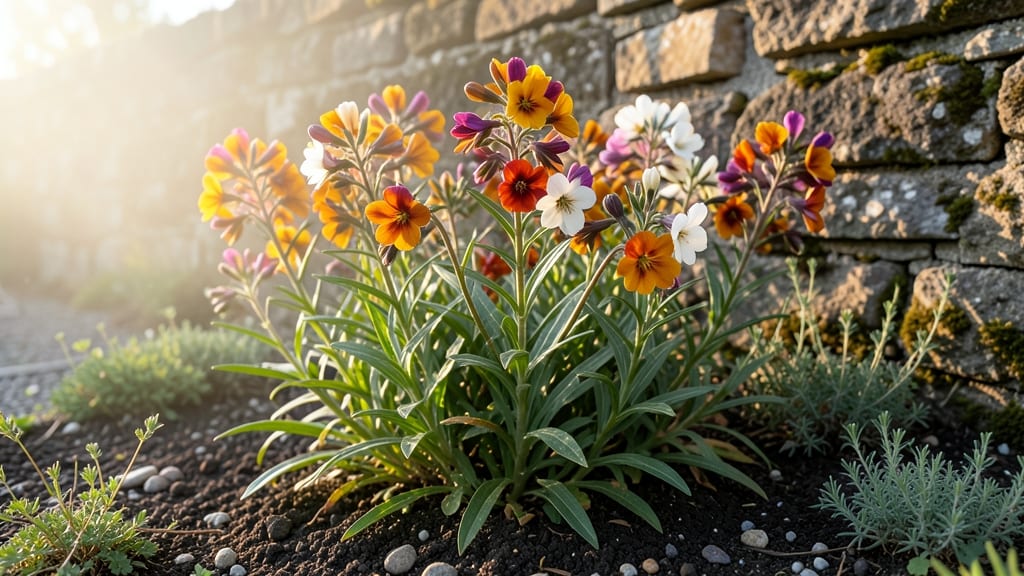
Wallflowers grow anywhere from 6 inches to 2 feet tall, depending on the variety and growing conditions — and knowing the exact range is the key to planning a border that stays tidy or a slope that cascades beautifully.
Wondering whether your wallflowers 🌼 will fit perfectly in a cozy corner or sprawl into an unruly mess? Their height varies dramatically by species — some stay compact enough for containers, while others reach nearly waist-high.
That difference can mean the difference between a charming cottage garden and a chaotic overgrowth.
Most gardeners assume all wallflowers stay short, but varieties like Erysimum cheiri can stretch toward 24 inches with the right soil and sunlight, while dwarf types like Purple Dome max out at 12 inches.
Even the same plant can grow taller in rich soil or lean toward compactness in poorer conditions, so spacing and pruning matter just as much as the seed packet promises.
Below, I break down the height ranges by popular varieties, how to control growth naturally, and the best ways to pair them with other plants so your garden stays balanced — no surprises, just stunning blooms.


Wallflower height by variety: dwarf to giant species compared
Wallflowers (Erysimum spp.) are one of the most versatile flowers for garden borders, containers, and slopes—but their height can vary wildly from 6 inches to over 4 feet.
Choosing the right variety ensures your garden stays organized, whether you want a low edging plant or a tall backdrop for other flowers. The key is understanding how each cultivar grows under ideal conditions.
Most wallflowers reach their mature height in their first growing season, but some varieties like 'Black Baccara' may continue growing slightly taller in subsequent years. Their height is influenced by sunlight, soil fertility, and pruning habits—so the numbers below reflect typical growth in full sun with moderate care.
Let’s break down the most popular varieties by their mature heights.
| Variety | Mature Height | Best For | Notes |
|---|---|---|---|
| 'Purple Dome' | 6–12 inches | Containers, rock gardens | Compact, bushy habit; ideal for dwarf borders. |
| 'Cupani' | 12–18 inches | Front of borders, window boxes | Semi-dwarf; great for seasonal color in spring. |
| 'Black Baccara' | 18–24 inches | Back of borders, cut flowers | Tallest common variety; fragrant and long-lasting. |
| 'Moonlight' | 12–18 inches | Containers, cottage gardens | Soft yellow blooms; drought-tolerant once established. |
| 'Fire King' | 24–36 inches | Tall borders, cut flower gardens | Giant variety; needs staking in windy areas. |
| 'Snowflake' | 12–18 inches | Rock gardens, alpine beds | Delicate white blooms; early spring bloomer. |
| 'Ruby Shades' | 18–24 inches | Cut flower arrangements | Deep red-purple blooms; long vase life. |
If you’re designing a low-maintenance garden, dwarf varieties like 'Purple Dome' (6–12 inches) are perfect for rock gardens or container plantings. They rarely need staking and thrive in tight spaces.
For a bold statement, taller varieties like 'Fire King' (24–36 inches) create a striking backdrop, but they require well-draining soil and occasional pruning to prevent flopping.
Pro tip: Mix heights in the same bed for a natural, layered look. Place taller varieties like 'Black Baccara' at the back, medium-height types like 'Cupani' in the middle, and dwarf varieties like 'Snowflake' at the front. This creates depth and draws the eye through your garden design.
Growing conditions play a role in height too. Wallflowers in poor soil or partial shade may stay shorter, while those in rich, sunny spots can grow taller than expected.
Always check your local USDA hardiness zone—most wallflowers thrive in zones 6–9—to ensure your chosen variety will perform as advertised.
For container gardening, stick to dwarf or semi-dwarf varieties like 'Moonlight' or 'Purple Dome'. These stay compact even
How to choose wallflower height for your garden design
Wallflowers offer versatile height options that can transform your garden's visual appeal. Whether you're designing a rockery garden, container display, or border planting, selecting the right height creates balance and focal points. The key is matching your wallflower varieties to your space's dimensions and design goals.
For small spaces like windowsills or patio containers, dwarf varieties stay under 12 inches tall, making them perfect for edging or window boxes. In larger garden beds, taller varieties (up to 24 inches) create stunning vertical accents when paired with companion plants like lavender or thyme.
Let's explore how to strategically use height for maximum impact.
- 6-12 inches: Ideal for containers, rock gardens, or front borders where you want low-growing color. Varieties like 'Purple Dome' create carpet-like displays perfect for pathways.
- 12-18 inches: Perfect for mid-border planting or sloped areas where you need height without overwhelming. 'Cupani' mixes well with salvias or catmint for layered textures.
- 18-24 inches: Best for back borders or tall containers where they can anchor a planting scheme. 'Black Baccara' pairs beautifully with roses or delphiniums for dramatic contrast.
- Seasonal timing: Plant tall varieties first in spring (they establish roots quickly) followed by shorter ones to create natural height progression as the season progresses.
- Companion planting: Use dwarf wallflowers (6-12") alongside ground covers like ajuga, while taller varieties (18-24") pair well with grasses or ornamental shrubs for structure.
Consider your garden's light conditions when selecting heights. Full-sun areas encourage taller growth, while partial shade may keep plants more compact. For example, 'Moonlight' wallflowers typically reach 18 inches in full sun but may stay under 12 inches in dappled light.
Create seasonal interest by mixing early-blooming (6-12 inches) and late-blooming (18-24 inches) varieties. The early bloomers provide spring color while taller varieties extend the display into early summer. This layered approach ensures your garden stays vibrant throughout the growing season.
For container gardening, choose dwarf varieties or prune taller ones regularly to maintain proportions. A 12-inch-tall wallflower in a 10-inch pot will look perfectly scaled, while a 24-inch variety in the same pot would overwhelm the space. Always leave 2-3 inches of space above the plant for growth.
Remember that pruning habits can influence perceived height. Regular deadheading encourages bushier growth while allowing seed pods to form creates taller, leggier plants. Plan your pruning strategy when selecting varieties to maintain your desired height throughout the season. 🌼