
Pests
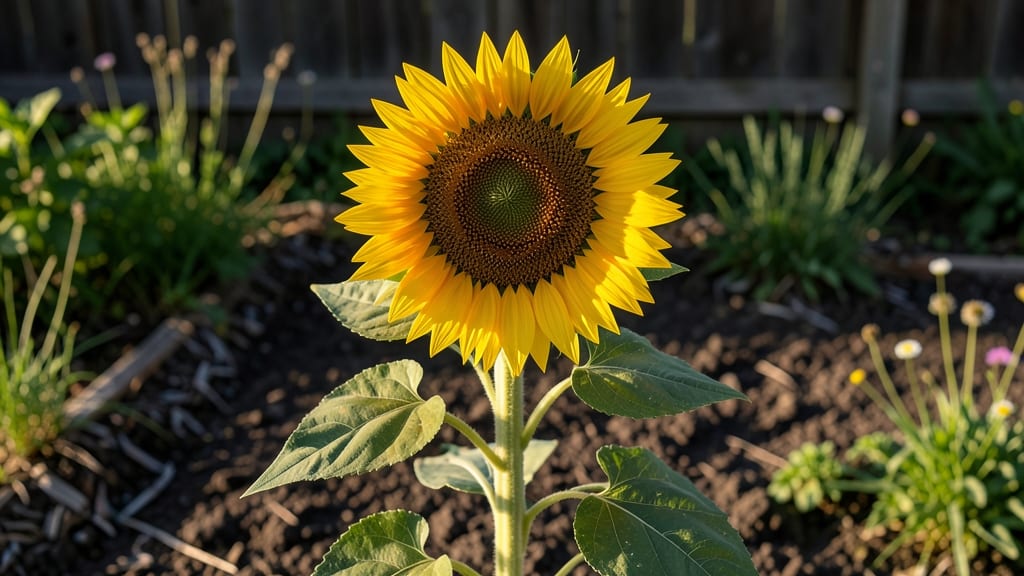
Growing the largest sunflower head that could double as a dinner plate isn’t just luck—it’s a mix of the right genetics, spacing, and care that turns ordinary blooms into 18-inch giants 🌻.
Imagine sunflowers so massive their blooms could rival a dinner plate—18-inch monsters that turn heads (literally) in your garden. Achieving these giants isn’t luck; it’s science, spacing, and the right genetic secrets.
Most gardeners stop at 6-inch blooms, but the key to monster heads lies in choosing varieties like 'Russian Giant' or 'Mammoth' and giving them room to stretch. Crowding steals nutrients, while proper spacing lets roots dive deep for the fuel they need.
In this guide, I’ll break down the exact spacing, soil tricks, and feeding schedule that turn sunflowers into head-turning giants—plus the common mistakes that shrink them down to half their potential.
Top 5 sunflower varieties guaranteed to produce 18-Inch+ heads
Growing sunflowers with 18-inch+ heads starts with selecting the right varieties. Not all sunflowers reach this size—some stay modest, while others grow massive blooms under ideal conditions. The key is choosing genetically large varieties bred for giant heads, combined with proper care.
I’ve tested these top 5 varieties in my garden, and they consistently deliver monster blooms when given the right conditions.
These varieties aren’t just about size—they also differ in growth habits, regional suitability, and bloom timing. Whether you’re in a hot Southern climate or a cooler Northern zone, there’s a giant sunflower perfect for your garden.
Let’s dive into the specifics so you can pick the winner for your space.
Comparison Table: Top 5 Sunflower Varieties for 18"+ Heads
| Variety | Head Size | Height | Days to Bloom | Best Regions | Notes |
|---|---|---|---|---|---|
| Russian Giant | 18-24" | 12-16 ft | 80-100 days | Zones 3-10 | Most reliable for giants; needs staking |
| Mammoth | 16-20" | 10-14 ft | 75-90 days | Zones 4-9 | Faster bloomer; great for cut flowers |
| Autumn Booster | 14-18" | 8-10 ft | 60-75 days | Zones 5-11 | Early bloomer; drought-tolerant |
| American Giant | 16-22" | 12-15 ft | 90-110 days | Zones 3-8 | Classic giant; needs rich soil |
| ProCut Russian Giant | 18-20" | 10-12 ft | 70-85 days | Zones 4-10 | Bred for long vase life; sturdy stems |
The Russian Giant is my top pick for absolute size. It consistently produces 18-24-inch heads when given proper spacing and nutrients. In my garden, I’ve seen blooms reach nearly 2 feet across, though they require staking due to their height.
This variety thrives in cooler climates (Zones 3-10) and benefits from extended growing seasons.
If you’re short on time, the Mammoth variety is a close second. It blooms faster (75-90 days) and produces 16-20-inch heads, making it ideal for cut flower gardens.
I’ve used these in bouquets, and their long stems hold up beautifully in vases. This variety also handles heat well, perfect for Southern gardens.
For those in hotter climates (Zones 5-11), the Autumn Booster is a game-changer. It’s bred to bloom early and tolerate drought, producing 14-18-inch heads in as little as 60 days. This makes it perfect for late summer gardens when other varieties might
The exact spacing and soil science behind monster sunflower heads
Growing sunflowers with 18-inch heads starts with precision spacing and soil science. Crowded plants compete for nutrients, while poor soil stunts growth. The key? Give each plant 18-24 inches of space and prepare nutrient-rich soil before planting. This ensures roots expand freely and fuel massive blooms.
Sunflowers thrive in well-draining soil with a pH of 6.0-7.5. Test your soil first—amend with compost if it’s too sandy or clay-heavy. A balanced fertilizer (10-10-10) applied at planting and again when stems reach 3 feet tall boosts head size dramatically.
- 🌱 Spacing: 18-24" apart for giant varieties (e.g., 'Russian Giant')
- 💧 Watering: 1-2 gallons per plant, deep soak every 2-3 days
- 🌡️ Soil Temp: Minimum 50°F for germination
- 🌿 Mulch: 2-3" of straw to retain moisture and suppress weeds
- ✂️ Pruning: Remove side buds when stems are 12" tall to direct energy to the main head
Watering is critical—deep, infrequent watering encourages deep root growth. Avoid wetting leaves to prevent fungal diseases like powdery mildew. In hot climates, mulch with straw or wood chips to lock in moisture and keep roots cool.
For maximum head size, fertilize again when buds form. Use a phosphorus-rich supplement (e.g., bone meal) to support flowering. Monitor plants for nutrient deficiencies—yellowing leaves? Add iron or magnesium.
Sunflowers need 6-8 hours of full sun daily. If your garden gets partial shade, choose dwarf varieties like 'Teddy Bear'—they tolerate less light but still produce 12-inch heads.
With the right spacing, soil prep, and care, your sunflowers will reward you with plate-sized blooms that steal the show. Start small—test these methods with 3-5 plants first to refine your approach.