
Flowers
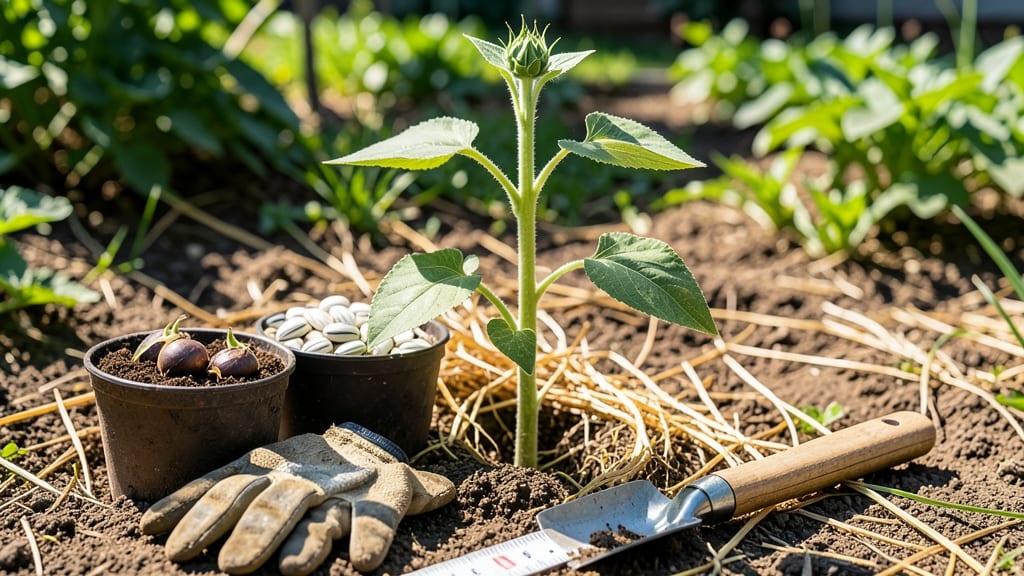
Planting sunflowers 🌻 directly in the soil is the fastest way to grow these towering beauties — just drop seeds in, water, and watch them shoot up in days.
Sunflowers aren’t just beautiful—they’re one of the fastest and easiest flowers to grow from seed, with some varieties sprouting in just 3–10 days. But timing your planting wrong can mean slow germination, weak stems, or even failed blooms.
Here’s your direct-sowing calendar and step-by-step guide to ensure your sunflowers grow tall, strong, and full of sunshine—no guesswork required. We’ll cover soil prep, seed depth, spacing, and watering tips tailored to your climate zone.
Whether you’re a beginner or a seasoned gardener, you’ll learn how to plant sunflowers for fast germination, robust growth, and stunning blooms that’ll turn heads all summer long.
Sunflower planting calendar: best months by climate zone for fast germination
Sunflowers thrive on speed—some varieties crack open their seed coats in just 3–10 days when planted at the right time. But timing isn’t one-size-fits-all. Your USDA zone dictates the perfect window to avoid frost damage or stunted growth.
Northern gardeners should plant early, while southern growers can extend their season. Let’s break down the ideal planting months by climate zone to ensure your sunflowers reach their full 10–16-foot potential.
Direct-sowing sunflowers is the fastest method—no transplant shock—and works best in all zones. However, if you’re in Zone 10 or warmer, you can even sow seeds in fall for winter blooms.
For cooler zones, aim for 2–4 weeks after your last frost date to give seedlings enough warmth to sprout quickly. Use this calendar to align your planting with your local climate for the fastest germination and strongest stems.
| USDA Zone | Best Planting Window | Germination Speed | Key Considerations |
|---|---|---|---|
| Zones 1–4 (Coldest) | Late May–Early June | 7–14 days (with warmth) | Use black plastic mulch to warm soil; plant dwarf varieties first. |
| Zones 5–7 (Temperate) | Mid-April–Mid-May | 5–10 days (ideal soil temp: 70°F+) | Avoid late frosts; sow after soil reaches 55°F. |
| Zones 8–10 (Warm) | March–April or Fall (Sept–Oct) | 3–7 days (fastest in heat) | Fall planting avoids summer heat stress; use shade cloth for seedlings. |
| All Zones (Transplanting) | After last frost (4–6 weeks before first frost) | 10–14 days (slower due to shock) | Only transplant mature seedlings (4–6 inches tall) to avoid stunting. |
If you’re in Zones 1–4, your window is tight—wait until the soil warms to at least 55°F to avoid slow germination. Use row covers to protect seedlings from late frosts, which can kill tender sprouts.
For Zones 5–7, aim for mid-April to mid-May when nighttime temps stay above 40°F. This gives seeds enough warmth to sprout in just 5–10 days.
Southern gardeners in Zones 8–10 have the luxury of planting as early as March or even in fall for winter blooms. However, be cautious of summer heat stress—young seedlings can bolt or develop weak stems if temperatures exceed 90°F.
Use shade cloth or plant in partial shade until seedlings are established.
Transplanting sunflowers is riskier than direct-sowing because seedlings have delicate root systems. If you must transplant, wait until seedlings are 4–6 inches tall and harden them off for 7–10 days before moving them outdoors.
This reduces transplant shock and speeds up recovery time. For fastest germination, stick to direct-sowing whenever possible.
One common mistake is planting sunflowers too early in cool climates. Seeds won’t germinate until soil temps reach 55°F, and cold, wet soil can lead to rot or fungal diseases.
To test soil temperature, use a soil thermometer or press your hand into the ground—if it feels warm to the touch, it’s ready for seeds. In Zones 1–4, consider using black plastic mulch to raise soil temps by 5–10°F.
For fastest germination, pre-soak seeds for 4–6 hours before planting. This trick can cut germination time in half, especially in cooler zones. Once planted, keep the soil consistently moist but not soggy—sunflower seeds need 1 inch of water per week to sprout efficiently.
Use a mulch ring around seedlings to retain moisture and suppress weeds.
Remember, sunflowers are annuals with a 60–120-day growth cycle, depending on the variety. If you plant too late in the season, you might not get full blooms before the first frost.
For Zones 1–7, aim to plant by mid-June at the latest to ensure mature flowers. In warmer zones, you can push planting into early July for fall blooms.
Your sunflower’s height and bloom time depend on when you plant. Early plantings in Zones 5–7 often produce the tallest varieties (10–16 feet), while late plantings yield shorter, bushier flowers. If you
Step-by-step sunflower planting guide: soil, depth, and spacing for maximum yield
Sunflowers thrive with minimal fuss, but getting the soil prep, seed depth, and spacing right ensures your plants reach their full potential. Whether you’re growing giant varieties like 'Mammoth' or compact dwarf sunflowers like 'Teddy Bear,' these steps guarantee strong stems and abundant blooms.
Let’s dive into the essentials to avoid overcrowding and poor drainage—two common mistakes that stunt growth.
Before planting, test your soil drainage. Sunflowers hate soggy roots but need consistent moisture. Amend heavy clay with compost or sand to improve airflow, while sandy soil benefits from organic matter like peat moss.
Aim for a pH between 6.0 and 7.5—most garden soils fall within this range naturally. If your soil is acidic, add lime; if alkaline, mix in sulfur or peat moss.
How to Plant Sunflowers: A Simple Guide
- 1 Choose your spot: Select a location with full sun (6+ hours daily). Sunflowers wilt in shade, so avoid spots near trees or buildings that cast shadows.
- 2 Prepare the soil: Loosen soil to a depth of 12 inches with a garden fork. Mix in 2-3 inches of compost to enrich nutrients. Avoid fresh manure—it can burn seedlings.
- 3 Plant seeds at the right depth: Drop seeds 1 inch deep in the soil. Planting too shallow (½ inch) causes seeds to dry out, while burying them too deep (2+ inches) delays germination.
-
4
Space seeds correctly:
- Dwarf varieties: 6–12 inches apart
- Semi-dwarf: 12–18 inches apart
- Standard/giant: 18–24 inches apart
- 5 Water gently: Keep soil moist but not soggy until germination (7–14 days). Use a fine spray nozzle to avoid displacing seeds. Mulch with straw or grass clippings to retain moisture.
- 6 Thin seedlings: Once seedlings are 3–4 inches tall, thin to your desired spacing. Snip weaker stems at the base with scissors—don’t pull to avoid disturbing roots.
Spacing is critical for sunflower health. Overcrowded plants compete for nutrients and sunlight, leading to weak stems that snap in wind or rain.
Giant varieties like 'Russian Giant' need 24 inches between plants to support their towering height, while dwarf varieties like 'Sunspot' can thrive in 6-inch spacing. If growing in rows, space rows 2–3 feet apart for easy access and airflow.
After planting, monitor for poor drainage signs like yellowing leaves or wilting despite moist soil. Amend the area with perlite or coarse sand if water pools. Sunflowers are drought-tolerant once established, but consistent moisture during the first 4–6 weeks ensures strong root development.
Water at the base of plants in the morning to reduce fungal risks.
Pro tip: Plant sunflowers in successive batches every 2 weeks for a continuous bloom cycle. This extends your harvest window and provides nonstop pollinator support for bees and butterflies.
With the right soil, depth, and spacing, your sunflowers will reward you with vibrant blooms and towering stems—ready for cutting or seed-saving by midsummer.