
Blooming
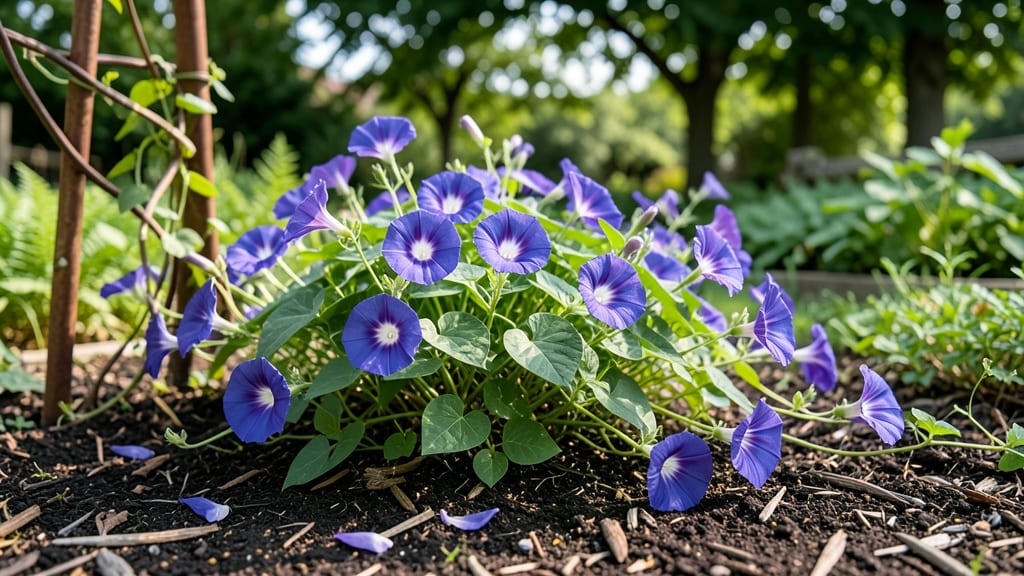
Morning glory flowers bloom in summer 🌸, but the exact season depends on where you live—and getting it right means the difference between a garden full of vibrant vines and a missed opportunity.
Picture this: You’ve just planted your seeds in early spring, eager for those iconic trumpet-shaped blooms to appear. But if you’re in USDA Zone 6a or cooler, waiting until June could mean a shorter display—or worse, no flowers at all.
Meanwhile, in warmer zones, the same varieties might start popping up as early as May, fading by late summer if you don’t plan ahead.
Timing isn’t just about when to plant—it’s about understanding how your local climate shapes the blooming window. Too early, and frost can nip them in the bud. Too late, and the heat might burn them out before they even open.
The key? Aligning your planting schedule with your zone’s last frost date and daylight trends.
In this guide, I’ll break down the best months to plant and expect blooms by region, plus pro tips to stretch your morning glory season from start to finish—so you’re the one showing off those stunning blue, purple, and pink cascades all summer long.
Morning glory bloom seasons by USDA zone: when to expect peak flowers
Morning glories are famous for their daily bloom cycle, opening in the morning and wilting by afternoon—but their peak bloom seasons vary widely depending on your USDA zone.
In cooler northern zones, you'll see flowers from late June to early September, while southern gardens can enjoy blooms from April through October. Understanding these patterns helps you plan trellises and companion plants for maximum impact.
Temperature and daylight hours are the biggest factors. Morning glories need consistent warmth above 60°F to trigger blooming, which explains why USDA zones 9-11 get earlier starts. Meanwhile, northern gardeners in zones 3-5 often wait until after the last frost before planting, delaying their first flowers until mid-summer.
Let's break down what to expect in your region.
| USDA Zone | Peak Bloom Window | Key Varieties | Climate Notes |
|---|---|---|---|
| 3-5 | Late June - Early September | 'Heavenly Blue', 'Star of Bethlehem' | Short season; plant after last frost |
| 6-7 | Early June - Mid October | 'Fountain of Beauty', 'Pink Charm' | Longer bloom with cooler nights |
| 8-9 | April - November | 'Black Dragon', 'Scarlet O'Hara' | Year-round blooms possible with mild winters |
| 10-11 | March - December | 'Moonlight', 'Alba' | Heat-tolerant; may need afternoon shade |
In northern zones (3-5), morning glories typically bloom from late June to early September because cooler springs delay germination. Plant seeds 2-3 weeks after your last frost date—usually mid-May to early June—to ensure vines establish before summer heat arrives.
Varieties like 'Heavenly Blue' thrive here, offering deep blue flowers that contrast beautifully with sunflowers or cosmos.
Gardeners in USDA zones 6-7 enjoy a longer bloom season from early June to mid-October, thanks to milder nights. This is ideal for extended seasonal displays.
For best results, plant 'Fountain of Beauty' in late April to early May, giving vines 8-10 weeks to climb before peak blooming. In these zones, afternoon thunderstorms can actually boost flower production by providing natural irrigation.
Southern gardeners in zones 8-9 can start seeing blooms as early as March, with continuous flowers through November if conditions are right. Heat-tolerant varieties like 'Black Dragon' (with its striking dark purple flowers) perform exceptionally well here.
However, afternoon shade becomes crucial in July and August to prevent wilting. Plant seeds in February to March for the earliest blooms.
For USDA zones 10-11, morning glories can bloom year-round with minimal care, though peak displays occur from March to December. These regions benefit from staggered plantings—sow seeds every 4-6 weeks to ensure a continuous flower show.
Varieties like 'Moonlight' (pure white flowers) shine here, especially when paired with tropical foliage plants like hibiscus or bird-of-paradise.
Daylight hours also play a role: morning glories need at least 6 hours of sun daily, but longer daylight in summer can actually reduce bloom intensity. In northern latitudes, this means shorter bloom windows in late summer when days grow shorter.
To combat this, deadhead spent flowers regularly to encourage new blooms, especially in zones 3-7.
One common misconception is that morning glories bloom only once per day. While individual flowers last just 6-12 hours, new buds open daily throughout the peak bloom season. In warmer zones, this can create a near-continuous display if you maintain healthy vines.
For northern gardens, focus on early-summer planting to maximize your bloom window before fall frosts arrive.
Pro tip: Use black plastic mulch in cooler zones to warm the soil and jumpstart germination. In hotter zones, white mulch reflects sunlight and keeps roots cooler.
Both strategies can extend your bloom season by 2-3 weeks in marginal climates. For trellises, opt for strong, wide-mesh supports—morning glory vines can reach 10-15
How to extend morning glory flower season: planting and care tips
Morning glory flowers are famous for their fleeting beauty, but with the right strategies, you can extend their bloom season from a few weeks to several months. The key lies in staggered planting, optimal growing conditions, and smart care techniques tailored to your climate.
I’ve learned that even in cooler regions, you can coax these vines into producing vibrant blooms well beyond their typical summer window.
In warmer climates like USDA zones 8-11, morning glories naturally bloom from late spring through fall, but cooler zones (3-7) require extra planning. By combining soil preparation, watering discipline, and strategic companion planting, you can push their bloom season by 4-6 weeks.
Let’s dive into the proven methods that work in my garden—and will work in yours too.
- 1 Staggered Planting: Sow seeds in 2-week intervals from late spring to early summer. This ensures continuous blooms as older vines fade and new ones take over.
- 2 Soil Prep: Amend soil with compost and aged manure before planting. Morning glories thrive in well-draining, nutrient-rich soil with a pH of 6.0-7.0 for optimal growth.
- 3 Deep Watering: Water at the base of the plant in the morning (not at night) to prevent fungal diseases. Aim for 1-2 inches of water per week, adjusting for heat stress in summer.
- 4 Companion Planting: Pair with marigolds or nasturtiums to deter pests like aphids. Avoid planting near tomatoes or potatoes, which compete for nutrients.
- 5 Late-Season Care: In cooler climates, mulch heavily to insulate roots. Prune spent blooms to encourage new flowers, but avoid cutting back more than 1/3 of the vine at once.
If you’re in a cooler climate (USDA zones 3-6), focus on early planting and heat-loving varieties like 'Heavenly Blue' or 'Scarlet O’Hara'. These varieties tolerate brief cold snaps better than others.
I’ve had success planting seeds as soon as the soil reaches 60°F (15°C), even if frost is still a risk—just cover young plants with row fabric at night.
For late-season heat stress, shade your vines during peak afternoon sun (12 PM–4 PM) using lightweight shade cloth. Overwatering in heat can cause root rot, so always check soil moisture by sticking your finger 2 inches deep—water only if it’s dry.
In my zone 6 garden, this simple adjustment kept my morning glories blooming until mid-October instead of early September.
Don’t forget to train your vines on a sturdy trellis or fence. Proper support not only saves space but also improves air circulation, reducing the risk of powdery mildew.
I use a 5-foot tall bamboo trellis for my morning glories, and the vertical display creates a stunning focal point while keeping the flowers off the ground and healthier.
With these techniques, you’ll transform your morning glories from a short-lived summer splash into a season-long spectacle. The secret? A little planning, consistent care, and a willingness to adapt to your local climate.
Start with one of these methods this year, and watch your bloom season stretch into the fall.