
Flowers
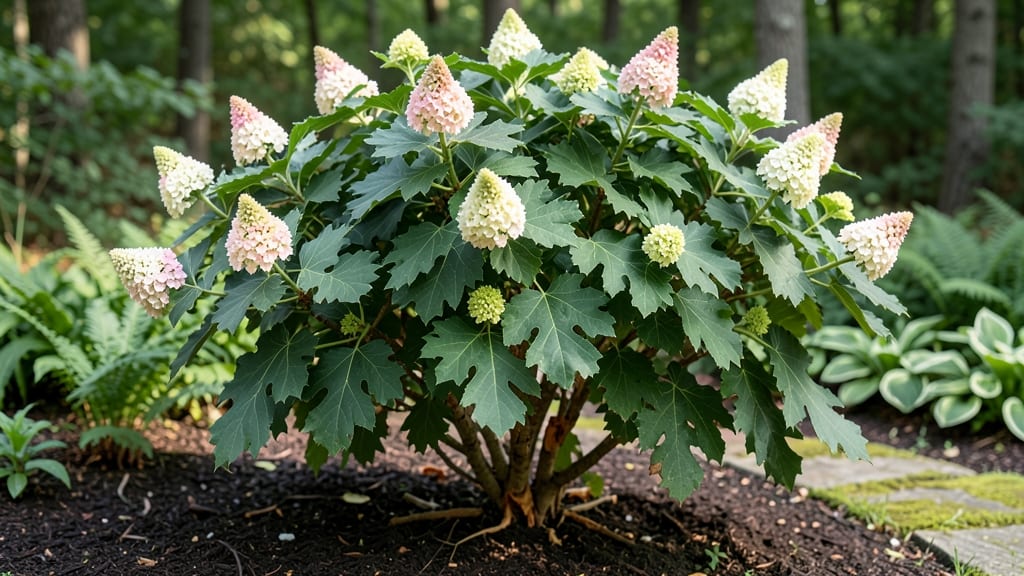
The oakleaf hydrangea flower 🌸 delivers more than just summer blooms—its dramatic foliage steals the show in every season.
Picture this: deep purple leaves in fall, white lacey blooms in summer, and even winter interest with peeling bark. But here’s the catch—pruning wrong can turn your showstopper into a leggy mess. I’ve seen it happen too many times, and the fix isn’t always obvious.
This guide cuts through the confusion with a season-by-season pruning plan designed to keep your oakleaf hydrangea looking its best year-round. Whether you’re trimming for more blooms or vibrant fall color, you’ll learn the exact techniques to avoid common mistakes.
From late-winter shaping to summer cleanup, I’ll walk you through each step—plus how to revive a plant that’s already suffered from over-pruning. Let’s get started.
When and how to prune oakleaf hydrangeas for maximum foliage impact
The oakleaf hydrangea (Hydrangea quercifolia) is famous for its oak-shaped leaves and spectacular fall colors, but its pruning strategy differs from other hydrangeas. Unlike mopheads or panicle types, oakleaf hydrangeas bloom on both old and new wood, so timing matters.
A mispruned oakleaf hydrangea can lose its bold foliage and summer flowers—here’s how to avoid that.
First-year plants deserve zero pruning—ever. The no-cut rule for your first year ensures a strong root system and healthy growth for years to come. Skipping pruning lets the plant focus on establishing itself, setting the stage for vibrant blooms and lush leaves in future seasons.
Think of it as letting your hydrangea build its "muscles" before shaping it.
For established plants, pruning happens in three key seasons: late winter, summer, and fall. Each season serves a purpose—late winter cleans up dead wood, summer shapes growth, and fall preps for dormancy.
The goal? A dense, bushy shrub with maximum foliage impact year-round. Let’s break down the steps for each season.
Step-by-Step Oakleaf Hydrangea Pruning Guide
- 1 Late Winter (Dormant Season) – Cut back dead or crossing branches to 1/4 inch above buds. Focus on removing weak, diseased, or inward-growing stems to improve airflow.
- 2 Summer (After Blooming) – Lightly trim overgrown stems to encourage bushiness. Remove only 1/3 of the oldest stems to preserve next year’s blooms. Shape by cutting just above a leaf node or bud.
- 3 Fall (After Leaf Drop) – Remove any remaining dead stems and lightly shape for winter. Avoid heavy cuts—this is about cleaning up, not reshaping. Mulch around the base to protect roots.
- 4 Tool Tip – Use clean, sharp pruners to make 45-degree cuts just above a bud or leaf node. Disinfect tools with rubbing alcohol between cuts to prevent disease spread.
When pruning in late winter, focus on removing dead wood and thinning out crowded branches. Oakleaf hydrangeas naturally grow in a rounded, multi-stemmed shape, so avoid cutting back more than 1/3 of the oldest stems at a time.
This preserves the plant’s ability to produce both flowers and foliage—the hallmark of this stunning shrub.
During summer pruning, your goal shifts to shaping and encouraging new growth. After the plant finishes blooming (usually around mid-to-late summer), trim back any overly leggy stems to promote denser foliage.
Cut just above a leaf node or outward-facing bud to guide growth where you want it. This is also the time to remove spent flower clusters to redirect energy into leaf production.
Fall pruning is often overlooked, but it’s crucial for preparing your hydrangea for winter. After leaves drop, give your plant a light cleanup—remove any dead or damaged stems and shape lightly to maintain its form.
Avoid heavy cuts, as new growth won’t have time to harden off before frost. Mulch around the base with 2-3 inches of organic mulch to protect roots from freezing temperatures.
One common mistake is pruning too aggressively in early spring, which can reduce flowering for the season. Oakleaf hydrangeas bloom on both old and new wood, so cutting back too early removes next year’s flower buds.
Instead, wait until late winter when the plant is fully dormant. This timing ensures you’re only removing dead or weak growth without sacrificing blooms.
For maximum foliage impact, aim to create a multi-tiered shape with a mix of old and new stems. Older stems provide structure and fall color, while newer growth fills in gaps and produces summer flowers.
Step back occasionally to assess your pruning—your goal is a balanced, bushy shrub that looks stunning from spring through fall. With the right approach, your oakleaf hydrangea will become the showstopper of your garden.
Remember, patience is key—especially with young plants. The first year is all about establishment, and even if your hydrangea looks a little wild, it’s building a strong foundation for years of vibrant foliage and blooms. Stick to the seasonal schedule, and you’ll be rewarded with a four-season spectacle
Even experienced gardeners sometimes make pruning blunders with oakleaf hydrangeas. These mistakes can stunt growth, reduce blooms, or even kill your plant if not corrected. The good news? Most issues are reversible with the right approach. I’ve pruned dozens of oakleaf hydrangeas and seen firsthand how quick fixes can restore their health and beauty. One of the biggest misconceptions is that oakleaf hydrangeas need heavy pruning like mophead varieties. In reality, aggressive cuts can strip away next year’s blooms and foliage. Understanding the timing and technique specific to this species is half the battle. Let’s tackle the most common errors and how to recover from them. Let’s start with the most damaging mistake: pruning at the wrong time. Many gardeners reach for their shears in early spring, but oakleaf hydrangeas are already sending out new growth by then. The best time to prune is late winter (February-March), just before buds swell but before active growth begins. This allows you to shape the plant without disturbing next year’s blooms. If you’ve already pruned too early, don’t panic. Focus on light shaping cuts now and plan to do more substantial pruning next winter. For recovery, apply a balanced fertilizer (10-10-10) in early spring to encourage robust new growth. Water deeply every 7-10 days to support recovery, and avoid heavy pruning for at least 6 months to let the plant rebuild its energy reserves. Another frequent error is cutting back old wood too aggressively. Oakleaf hydrangeas produce flowers on both old and new wood, so removing too much old growth eliminates potential blooms. The rule of thumb is to only remove dead, diseased, or crossing branches. For shaping, limit cuts to 1/3 of the plant’s height per season. If you’ve over-pruned, focus on new growth stimulation—apply a high-nitrogen fertilizer in spring and provide morning sunlight to encourage leafy regrowth. Leggy growth is another telltale sign of pruning gone wrong. This happens when the plant stretches toward light, creating weak stems with sparse blooms. To fix this, prune back 1/2 of the leggy stems to just above a leaf node in late winter. For immediate results, use a growth regulator like paclobutrazol in early summer to compact new growth. Mulch around the base with 3 inches of organic mulch to retain moisture and encourage bushier growth patterns. Finally, never prune after the fall foliage peak. Oakleaf hydrangeas are prized for their vibrant autumn colors, and cutting back too late removes next year’s flower buds and next season’s foliage. If you must prune in fall, do so before October 1st in most climates. For recovery, apply a slow-release fertilizer in early spring and monitor for new growth—healthy oakleaf hydrangeas should show new shoots within 4-6 weeks of spring.Common oakleaf hydrangea pruning mistakes and how to fix them