
Trees
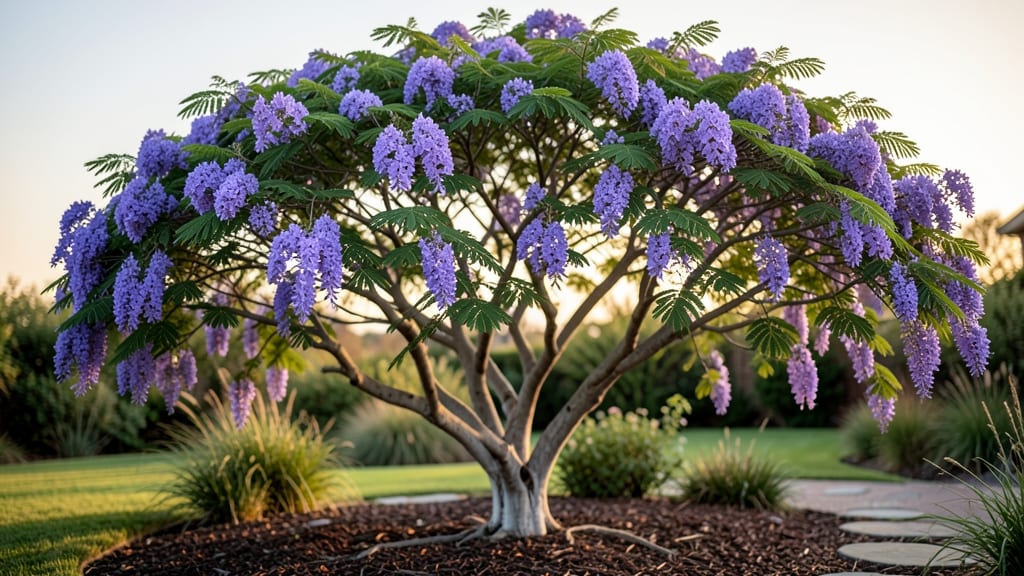
The purple jacaranda mimosifolia flowering tree 🌸 can turn your yard into a springtime masterpiece—but only if you plant it right.
Picture this: a canopy of lavender-blue blooms cascading like confetti, filling the air with a sweet fragrance that lasts for weeks. But miss the planting window, and you’ll be left staring at bare branches instead of a dreamy purple paradise.
The secret? Timing, soil, and a few pro tips most gardeners overlook.
Jacarandas thrive in USDA Zone 9b and beyond, but even there, the December–February window is critical for root establishment before summer’s heat arrives. Too early, and frost can damage young roots; too late, and the tree struggles to bloom in its first spring.
I’ll walk you through the exact steps—so you can enjoy those showstopping blooms year after year without the guesswork.
From well-draining soil to strategic pruning, this guide covers everything you need to know to grow a healthy, vibrant jacaranda that becomes the star of your landscape. Let’s get started.
Optimal planting zones and seasons for jacaranda mimosifolia flowering
The Jacaranda mimosifolia, with its iconic purple-blue blooms, thrives in USDA zones 9b-11 but can be grown in cooler zones with protection. Understanding your local microclimate and frost cycles is key to timing its planting for maximum spring flowering.
Coastal areas often have milder winters, while inland regions face harsher frost risks—both factors influence when to plant.
For optimal flowering, plant your jacaranda when soil temperatures reach 60°F (15°C) consistently. This typically aligns with late winter to early spring in most regions.
In cooler zones (9a and below), consider container planting to protect roots during winter or choose cold-hardy cultivars like 'Cheyenne Beauty', which tolerates brief frosts.
Microclimates like urban heat islands can extend your planting window by 2-4 weeks. For example, cities with concrete and asphalt retain heat, allowing you to plant in early February even in zone 9a. Conversely, rural areas may require waiting until March or April to avoid frost damage.
Here’s a quick reference for planting zones and ideal months by climate type:
| USDA Zone | Climate Type | Best Planting Month | Soil Temp Threshold | Microclimate Notes |
|---|---|---|---|---|
| 9b-11 | Tropical/Subtropical | December-February | 60°F (15°C) | Urban areas: plant 2 weeks earlier |
| 9a | Coastal Mild | February-March | 65°F (18°C) | Inland: delay until April |
| 8b-9a | Inland Moderate | March-April | 70°F (21°C) | Use mulch for root protection |
| 7b-8a | Cold Hardy (Container) | May-June | 75°F (24°C) | Overwinter indoors |
In coastal regions, such as Southern California or Florida, jacarandas can be planted as early as December because frost is rare. The tree’s roots establish quickly in warm soils, setting the stage for vigorous spring blooms.
Meanwhile, in inland zones like Arizona or Texas, wait until March to avoid late frosts that can damage tender new growth.
Aligning your planting with local frost cycles is critical. For instance, in zone 9a, a last-frost date in late February means you should plant by early March.
Use a frost-free calendar from your local Cooperative Extension Service to pinpoint the safest window. Urban areas often experience earlier soil warming due to heat retention, so adjust accordingly.
For maximum flowering potential, aim to plant your jacaranda when days are lengthening but nights remain cool—typically late winter to early spring. This timing ensures the tree enters dormancy with strong roots and emerges in spring ready to burst into lavender-blue blooms.
In warmer zones (10a and above), you can plant year-round, but December-February still offers the best balance of soil warmth and moisture.
If you’re in a transition zone (9a), consider mulching heavily around the base of your tree to insulate roots during winter. A 4-inch layer of wood chips can raise soil temperatures by 5-10°F, helping the tree survive occasional frosts.
Pair this with a windbreak if your area experiences cold winds, which can stress young plants.
One common mistake is planting too early in cooler zones, where chilly soils delay root establishment. If you plant in February in zone 8b, roots may struggle to warm up, leading to stunted growth and reduced flowering.
Conversely, planting too late—like May in zone 9b—can limit the tree’s ability to establish before summer heat arrives, also impacting bloom production.
To test soil readiness, use a soil thermometer to monitor temperatures at 4-inch depth. Once it consistently reads 60°F (15°C) for 3-5 days, it’s time to plant.
How to choose jacaranda varieties for peak purple blooms
The Jacaranda mimosifolia isn’t just one tree—it’s a family of lavender dreamers, each with unique bloom intensity and hardiness. If you crave vibrant purple cascades, selecting the right cultivar can mean the difference between sparse blooms and a ground-hugging floral carpet.
Let’s break down the top varieties and how to pick the perfect one for your climate and garden style.
Rootstock and grafting play a surprising role in flowering time. Grafted jacarandas often bloom 1-2 years earlier than seed-grown trees because the grafted scion inherits the parent plant’s genetic flowering triggers.
This means your 'Cheyenne Beauty' might burst into color while a seedling struggles to mature. Always ask nurseries about grafting methods when shopping.
Cold tolerance varies dramatically between cultivars. 'Lavender Lace', for example, handles USDA Zone 8a with ease, while 'Uranus' pushes limits to Zone 7b—though both may suffer leaf scorch in sudden freezes.
If you’re in a marginal zone, opt for disease-resistant rootstock like Jacaranda mimosifolia 'Aureo-variegata', which recovers faster from frost damage.
| Variety | Bloom Intensity | Cold Hardiness | Growth Rate | Disease Resistance |
|---|---|---|---|---|
| 'Lavender Lace' | 9/10 (dense, long-lasting) | Zone 8a-11 | Moderate (12-15 ft/year) | High (powdery mildew) |
| 'Cheyenne Beauty' | 8/10 (vibrant, early) | Zone 7b-11 | Fast (15-18 ft/year) | Moderate (root rot risk) |
| 'Uranus' | 7/10 (darker purple) | Zone 7b-10 | Slow (8-10 ft/year) | Low (susceptible to leaf spot) |
| 'Aureo-variegata' | 6/10 (variegated leaves) | Zone 9a-11 | Moderate (10-12 ft/year) | Very High (frost-resistant) |
When shopping for jacarandas, prioritize nursery-grown specimens over wild-collected seedlings. Container-grown trees (3-5 gallons) establish faster and bloom sooner than bare-root options. Look for symmetrical canopies and healthy root flares—these are signs of proper grafting.
Avoid trees with yellowing leaves or mushroom-like growths at the base, which indicate root rot or fungal infections.
Pro tip: Ask for flowering history from the nursery. Reputable growers will share photos of the tree’s previous year’s blooms.
If they can’t provide this, it’s a red flag. Grafted trees from specialty nurseries often come with guaranteed bloom times, so invest in quality if you’re impatient for those purple waterfalls.
For urban gardens, 'Cheyenne Beauty' is my top pick—its fast growth and early blooms make it ideal for small spaces. If you’re in a cooler microclimate, 'Aureo-variegata'’s frost tolerance and disease resistance give it the edge.
Plant with confidence, and soon your garden will be the neighborhood’s purple paradise. 🌸