
Planting
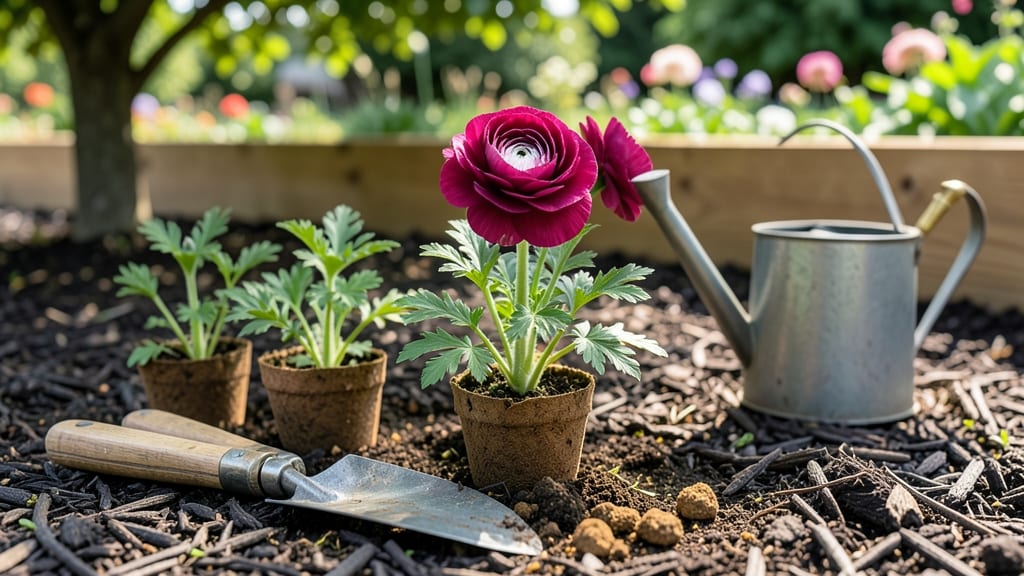
Planting ranunculus flowers at the right time ensures bold, papery blooms that last from spring through summer — the key is getting them in the ground 8-12 weeks before your last frost.
Picture this: you’ve prepped the soil, your bulbs are cool and firm, and you’re ready to plant — only to realize you missed the window. Too early, and frost will rot them; too late, and you’ll get leggy stems with few flowers.
I’ve made that mistake, and I’m here to save you the heartache.
Whether you’re in USDA Zone 6a or further south, the best time to plant ranunculus bulbs is late winter to early spring, when soil temperatures hover around 40-50°F. This gives them time to root before the heat of summer arrives.
Inside, I’ll break down the exact months for your zone, how to prep bulbs for planting, and the three common mistakes that kill ranunculus before they even bloom. Let’s get those 🌸 ready to shine!
Best planting months for ranunculus by USDA hardiness zones
Timing is everything when planting ranunculus bulbs, especially since they thrive in cool weather. Planting too early in frost-prone zones can cause rot, while waiting too long may result in weak stems.
The key is to align your planting with soil temperatures and your local USDA hardiness zone—ideally when the ground is cool but frost-free.
Most gardeners plant ranunculus in fall for spring blooms, but spring planting works in warmer zones. Below, I’ve broken down the exact planting months by zone, including ideal soil temps and why timing matters for bulb health. Pro tip: Use a soil thermometer to confirm conditions match your zone’s recommendations.
Why timing matters: Ranunculus bulbs need a cool dormancy period (40-50°F) to develop strong roots. Planting at the wrong time disrupts this process, leading to floppy stems or poor blooms. In colder zones, fall planting gives bulbs time to root before winter, while warmer zones can plant in late winter.
Here’s a quick reference for USDA zones 3-10, including both fall and spring planting windows:
| USDA Zone | Fall Planting Month | Ideal Soil Temp (°F) | Spring Planting Month | Notes |
|---|---|---|---|---|
| Zones 3-4 | September-October | 50-60°F | March-April | Fall planting preferred; spring planting risky if frost returns. |
| Zones 5-6 | October-November | 45-55°F | February-March | Avoid planting after first frost in spring. |
| Zones 7-8 | November-December | 40-50°F | January-February | Spring planting works; mulch to retain moisture. |
| Zones 9-10 | December-January | 35-45°F | January-February | Fall planting best; spring planting possible in mild winters. |
For Zones 3-4, focus on fall planting (September-October) when soil temps drop to 50-60°F. This gives bulbs time to root before winter.
In Zones 5-6, extend planting to November, but avoid spring planting if frost is likely—floppy stems are a common issue when bulbs sprout too early.
In warmer zones (7-10), you can plant as late as December-January, but aim for soil temps between 35-50°F. Spring planting is an option here, but fall planting still yields stronger blooms.
If you live in Zone 10, you might even plant in early winter—just ensure the ground isn’t soggy.
One mistake I see often? Planting ranunculus bulbs too deep or in poorly draining soil. These bulbs rot easily if waterlogged. Always plant them 2-3 inches deep in loose, sandy soil mixed with compost. A quick soil test for drainage can save you from bulb loss.
Pro tip: If your zone isn’t listed, check your last frost date and plant 8-12 weeks before it. For example, if frost hits April 15, plant in late winter (February-March). Use a frost calendar for your area to fine-tune timing.
Remember, ranunculus bulbs are delicate—handle them gently when planting. Store them in a cool, dry place until you’re ready to plant, and avoid exposing them to freezing temps for long periods. With the right timing, you’ll enjoy vibrant blooms from late spring to early summer!
🌸
Fall vs. spring planting: which works better for ranunculus?
When it comes to ranunculus flowers, timing your planting is everything. While spring planting is popular, fall planting is actually the preferred method for most gardeners. This is because ranunculus bulbs thrive when they experience a cool dormancy period before blooming.
Let me break down why fall planting often wins—and how to avoid common mistakes like rot or weak stems.
Fall planting gives your ranunculus bulbs time to establish roots in cool soil (ideally between 40-50°F) before winter. This head start means stronger stems and more vibrant blooms by spring. In contrast, spring planting can lead to floppy stems if the bulbs haven’t rooted deeply enough.
For gardeners in USDA Zones 3-10, fall planting typically means getting bulbs in the ground 6-8 weeks before the first frost.
Fall Planting for Ranunculus
- Stronger roots before spring growth
- Vibrant blooms with sturdier stems
- Natural dormancy mimics wild conditions
- Requires precise timing to avoid frost damage
- Rot risk if soil is too wet in winter
Spring Planting for Ranunculus
- Works in warmer climates (Zones 8-10)
- Flexible timing if last frost is late
- Weaker stems without dormancy period
- Higher chance of flopping blooms
If you’re planting in fall, choose a day when soil temperatures are below 60°F but above freezing. In USDA Zone 6a, this usually means late September to early November.
For spring planting, aim for 4-6 weeks before your last frost date—typically March in Zone 6a. The key is ensuring bulbs have time to root before rapid growth begins.
One common mistake is planting too early in fall, which can lead to premature sprouting and frost damage. To prevent this, keep bulbs in a cool, dark place (like a refrigerator) until soil temperatures drop.
Another pitfall is overwatering in winter, which can cause bulb rot. Always plant in well-draining soil and water sparingly until spring.
For gardeners in warmer zones (8-10), spring planting can work well because winters are mild. However, even in these areas, a light winter chilling period (like 4-6 weeks of cool temps) helps trigger blooming.
If you’re unsure, err on the side of fall planting—it’s the safer bet for consistent results.
Remember, ranunculus flowers reward patience. Whether you choose fall or spring, the goal is the same: strong roots, sturdy stems, and showstopping blooms. With the right timing and care, you’ll enjoy a garden bursting with color year after year. 🌸