
Companion Plants
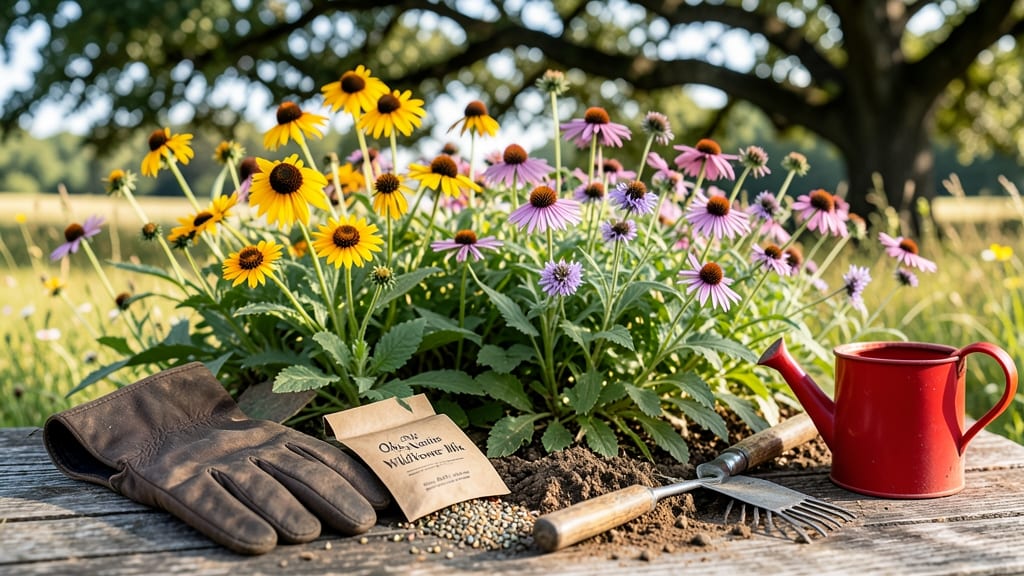
Plant wildflower seeds in Ohio between early March and April for spring blooms or September to October for fall planting, timing that aligns with your USDA zone and frost dates.
Ohio’s diverse climate zones mean wildflower planting timing can make or break your dream meadow—plant too early and face frost damage, too late and miss peak blooms. Get the exact months for your Ohio zone to ensure a vibrant, low-maintenance garden that thrives year after year.
Spring planting gives you summer blooms that attract pollinators, while fall sowing ensures roots establish before winter. Whether you’re seeding a meadow, a pollinator garden, or a small border, these windows are your best shot at success.
Below, I break down the perfect months for your Ohio zone, soil prep tips, and the top native wildflowers that will flourish with minimal effort.
Ohio wildflower planting calendar by USDA hardiness zones (5b, 6a, 6b)
Ohio’s three distinct USDA zones—5b, 6a, and 6b—create unique planting windows for wildflowers. Zone 5b (northern Ohio) has shorter growing seasons, while Zone 6b (southern Ohio) enjoys longer frost-free periods.
Timing matters because wildflowers need consistent soil temperatures (around 60°F) to germinate successfully, and Ohio’s last frost dates vary by 2-3 weeks between zones.
Most Ohio gardeners focus on spring and fall planting for wildflowers. Spring planting (March-April) gives seeds time to establish before summer heat, while fall planting (September-October) allows seeds to germinate early in cooler weather. Annual wildflowers (like cosmos) can handle late spring sowing, but perennials (like coneflowers) need early starts for robust root systems.
Here’s your zone-specific planting calendar with frost dates and ideal bloom strategies:
For Zone 5b, I recommend starting perennial seeds indoors in February for a head start. Use grow lights to simulate spring conditions until transplanting after the last frost.
In Zone 6b, you can sow directly outdoors as early as February if using a seed mat to warm the soil.
Ohio’s clay-heavy soils can delay germination, so amend with compost before planting. Mix in sand or perlite to improve drainage, especially in low-lying areas where water pools. Native wildflowers like black-eyed Susan and purple coneflower thrive in these conditions and attract pollinators year-round.
If you miss the ideal planting windows, don’t panic! Annual wildflowers can still be sown in late May or June for fall blooms, though they may not establish as robustly. For perennials, wait until next spring—just be prepared for smaller first-year blooms as roots develop.
Pro tip: Mark your planting dates on a garden calendar and note the first frost date for your zone. This helps you plan succession plantings to extend blooms from early spring to late fall. For example, plant shorter-lived annuals like cosmos in June for a summer-to-fall display.
Ohio’s humidity and summer heat can stress young wildflowers, so prioritize watering in the morning to reduce fungal risks. Once established (after 6–8 weeks), most wildflowers become drought-tolerant, but new plantings need consistent moisture. Mulch lightly with straw or leaves to retain soil moisture without smothering seeds.
For long-term success, aim for a mixed planting strategy: combine spring-blooming perennials (like bee balm) with summer/fall annuals (like sunflowers) to ensure continuous color. This approach also supports pollinators year-round, from early bumblebees to late-season butterflies.
🌼
Best wildflower seed types for Ohio’s climate and soil conditions
Ohio’s humid summers and variable winters create the perfect stage for wildflowers that thrive in both moisture-rich and drought-tolerant conditions. Native varieties like black-eyed Susan and coneflower dominate meadows, while non-natives like cosmos add vibrant color. The key is matching bloom seasons with Ohio’s USDA zones 5b-6b for year-round beauty.
For spring blooms, focus on wild columbine and bloodroot, which emerge early and tolerate cooler temperatures. Summer favorites like butterfly weed and purple coneflower handle Ohio’s heat and humidity, while fall-blooming goldenrod and aster extend the season.
Each type adapts to Ohio’s clay-heavy soils and acidic pH levels with minimal fuss.
Spring Bloomers (March-May)
Wild Columbine (Aquilegia canadensis) thrives in partial shade and moist soil, perfect for Ohio’s early spring. Bloodroot (Sanguinaria canadensis) tolerates dry shade and spreads slowly, ideal for woodland gardens.
Summer Stars (June-August)
Purple Coneflower (Echinacea purpurea) is drought-resistant and attracts pollinators, while Black-Eyed Susan (Rudbeckia hirta) thrives in full sun and poor soil. Both handle Ohio’s summer humidity with ease.
Fall Favorites (September-October)
Goldenrod (Solidago spp.) adds late-season color and supports butterflies. Aster (Symphyotrichum spp.) handles cool nights and heavy soils, making it a low-maintenance choice for Ohio gardens.
Drought-Tolerant Picks
Butterfly Weed (Asclepias tuberosa) and Prairie Smoke (Geum triflorum) require minimal water once established, perfect for Ohio’s dry spells. Both support native pollinators and wildlife.
Ohio’s clay soils can be challenging, but amending with compost improves drainage for deep-rooted perennials like coneflower. For sandy areas, annuals like cosmos and zinnia self-seed easily and bloom prolifically. Always choose native varieties for the best ecological benefits and long-term resilience.
Sunlight needs vary: Full-sun lovers like black-eyed Susan need 6+ hours of direct light, while shade-tolerant wild ginger (Asarum canadense) thrives under tree canopies.
Mixing sun and shade wildflowers creates a balanced meadow that adapts to Ohio’s microclimates. Always check seed packets for specific sunlight requirements.
For maximum impact, combine tall perennials like Joe Pye weed with low-growing annuals such as lobelia. This layering effect mimics Ohio’s natural prairie ecosystems and ensures continuous blooms from spring to fall. Start with 3-5 native species to avoid overwhelming your space while supporting local biodiversity.
Ohio’s variable frost dates mean some spring-blooming wildflowers may need light frost protection in Zone 5b, while summer and fall varieties handle heat waves with ease. Always mulch lightly after planting to retain moisture and regulate soil temperature—especially critical during Ohio’s unpredictable weather shifts.