
Watering
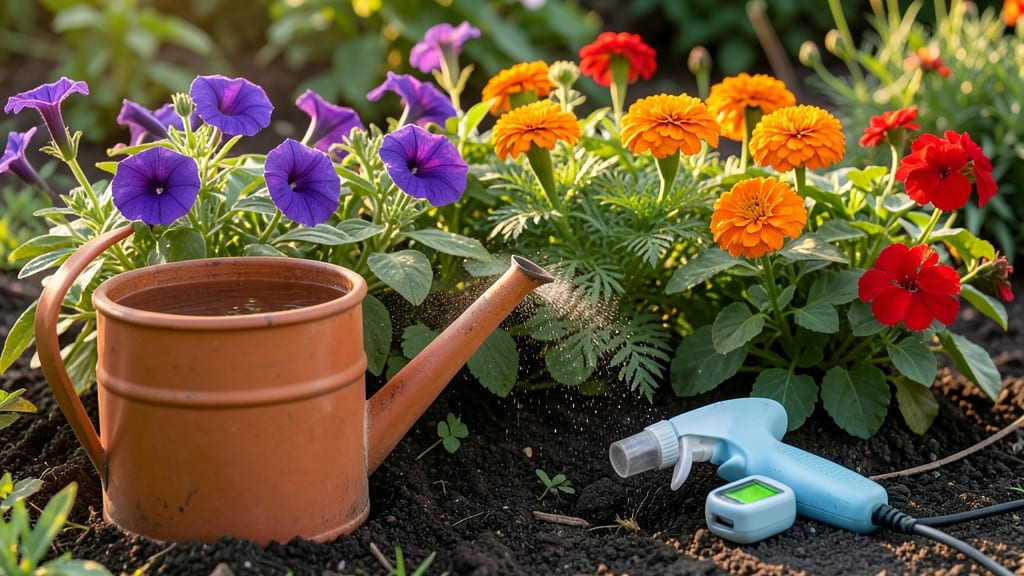
Watering flowers every day might seem like the safest way to keep them thriving, but the truth is more nuanced than that—your 🌸 plants often need less frequent care than you think.
Overwatering kills more plants than underwatering—yet many gardeners still debate whether flowers need daily watering. The truth lies in understanding your plants' unique signals, not following a rigid schedule.
Think about it: a deep watering once a week can be far more effective than a light sprinkle every morning, especially in well-draining soil or during cooler months. The key is learning when your flowers are truly thirsty versus when they're just begging for air.
In this guide, I’ll walk you through the signs your flowers need less (or more) water, the best watering practices to avoid common mistakes, and how to adjust for different seasons and plant types.


How often should you water flowers daily: recognizing plant-specific water needs
Watering flowers daily isn't a one-size-fits-all rule—it depends on root depth, soil composition, and climate conditions. Many gardeners assume flowers need constant moisture, but overwatering actually causes more damage than underwatering.
The key is understanding how different plants absorb and retain moisture based on their natural habitat and growth stage.
Annual flowers like petunias or marigolds often need more frequent watering because they grow quickly and have shallow roots. In contrast, perennial flowers such as daylilies or coneflowers develop deeper root systems over time, making them more drought-tolerant once established.
Even within these categories, soil type plays a critical role—sandy soil drains quickly, while clay holds moisture longer, altering how often you should water.
Seasonal shifts also change watering needs dramatically. During summer months, evaporation rates can double, requiring more frequent watering, while winter dormancy reduces water needs by up to 70%.
Humidity levels further complicate the equation: desert climates demand less water than tropical regions. Without accounting for these factors, daily watering can lead to root rot or wasted resources.
Let's break down the science behind plant hydration. Most flowers have two critical zones for moisture: the top 1–2 inches of soil (where roots first seek water) and the deeper 6–12 inches (where established roots thrive).
When you water daily without letting moisture penetrate deeper, you create a shallow root system that struggles to access nutrients. This is why many gardeners see wilting even when the soil feels damp—roots aren't accessing the water they need.
| Plant Type | Root Depth | Daily Water Needs | Seasonal Adjustments | Soil Preference |
|---|---|---|---|---|
| Annuals (Petunias, Marigolds) | 1–3 inches | Every 1–2 days (summer) | Increase 2x in heat | Well-draining |
| Perennials (Daylilies, Coneflowers) | 6–12 inches | Every 3–5 days | Reduce by 50% in winter | Moderate drainage |
| Drought-Tolerant (Lavender, Succulents) | 12+ inches | Every 7–10 days | Skip winter watering | Gritty, fast-draining |
| Potted Flowers (Geraniums, Impatiens) | 2–4 inches | Every 1–2 days | Double frequency in heat | Moisture-retentive |
💧 Pro Tip: Always water deeply to encourage deep root growth, even if it means less frequent watering.
Climate zones further refine watering schedules. In arid regions like the Southwest U.S., flowers may only need watering every 7–10 days due to low humidity and fast-draining soils.
Meanwhile, in humid climates such as the Southeast, daily watering can still be necessary for shallow-rooted annuals because the air retains moisture, but the soil surface dries quickly. Even within the same region, microclimates—like a sunny patio versus a shaded garden bed—can require different approaches.
One common misconception is that larger plants need more water. In reality, mature perennials with deep roots often require less frequent watering than young seedlings. For example, a 3-year-old rose bush might thrive on week
5 Clear signs your flowers need less (or more) water than daily
Daily watering can drown your flowers just as quickly as it revives them. Most gardeners assume thirsty plants need constant moisture, but overwatering actually suffocates roots by cutting off oxygen. The key is reading your plants' visual cues—not sticking to a calendar.
For example, petunias wilt dramatically when thirsty, while hydrangeas yellow leaves signal overwatering. Let’s decode these signs before your blooms suffer.
Start by checking the soil moisture with your finger. Stick it 1–2 inches deep—if it feels damp, hold off on watering. Dry soil at this depth usually means your flowers need a drink, but muddy soil with a sour smell?
That’s a red flag for root rot. Another trick: Lift a potted flower—if it’s heavy, it’s overwatered. Lightweight pots need hydration.
-
1. Wilting Leaves (But Not Always Thirst)
Droopy petals in the morning? Likely thirsty. But if leaves wilt evening and stay limp, your roses or geraniums are overwatered. -
2. Yellowing Leaves (Overwatering Alert)
Bright yellow leaves on hydrangeas or fuchsias? Roots are drowning. Check for mushy stems—a sure sign of rot. -
3. Soil Texture Test (The 2-Second Rule)
Squeeze a handful of soil. If it crumbles, water in 3–5 days. If it sticks to your hand, wait 7+ days. -
4. Stem Discoloration (Brown = Bad)
Dark brown stems on sunflowers or dahlias mean root rot. Trim affected areas immediately and reduce watering. -
5. Flower Buds Dropping (Stress Signal)
If buds fall off before blooming, your peonies or tulips are either thirsty or overwatered. Check soil first!
Don’t ignore leaf edges—crispy, brown tips on petunias or begonias scream underwatering, while soft, mushy edges mean overwatering. Pro tip: Morning wilting that recovers by afternoon? Your plants are thirsty. Evening wilting that persists? You’re drowning them.
Season matters too. In summer heat, most flowers need water every 2–3 days, but spring and fall often require weekly watering. Drought-resistant flowers like lavender or salvia can go 10+ days without water. Adjust based on these signs, not the calendar.
Remember: Consistency is key. If your hydrangeas bloom blue one year and pink the next, it’s not magic—it’s pH changes from overwatering. Use these signs to tweak your routine, and your flowers will thank you with vibrant blooms all season. 🌸