
Blooming
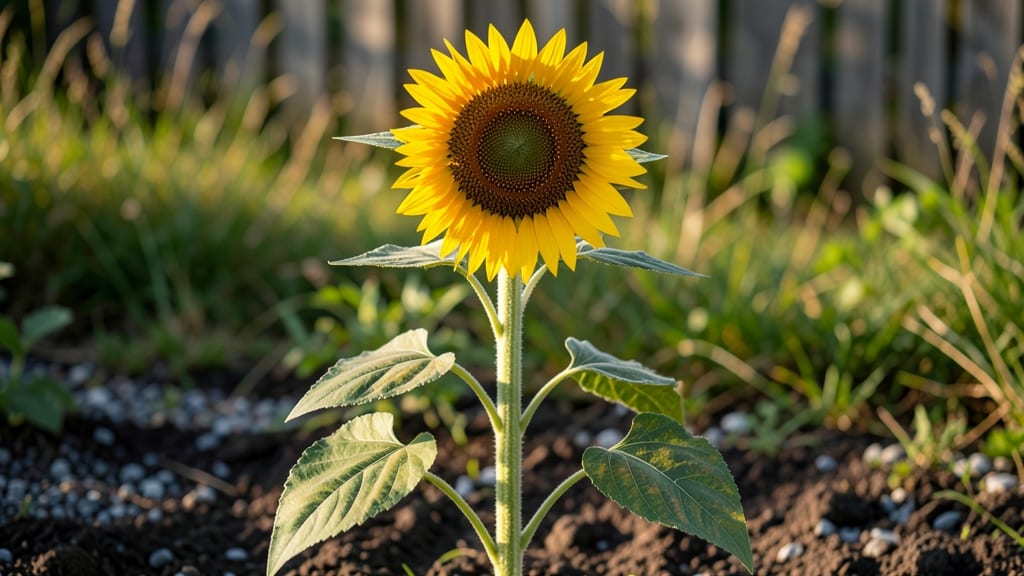
The sunflower bloom time transforms your garden into a golden masterpiece when timed right—typically between 60 to 120 days after planting.
Wondering when your sunflowers will burst into vibrant blooms? Timing your planting date can make the difference between a summer full of cheerful faces and a garden full of disappointment.
Most varieties need 6 to 8 hours of sun daily and warm soil to trigger flowering, so getting the timing right means aligning your seeds with your local frost dates.
In this guide, you’ll learn how to predict bloom time by variety, adjust for your climate zone, and even speed up flowering with simple tricks—so you’re not left staring at green stalks when summer arrives.
How to calculate sunflower bloom time based on planting date
Predicting when your sunflowers will bloom is simpler than you think! Most varieties follow a 60-120 day timeline from planting to first flower, but this window varies by sunflower type and climate zone.
Understanding these factors lets you plan for peak summer blooms that brighten your garden from July through September.
Start by choosing your sunflower variety. Dwarf varieties like 'Teddy Bear' typically bloom in 60-75 days, while giant varieties such as 'Mammoth' can take 90-120 days. Your planting date directly impacts when you'll see those cheerful faces, so timing is everything!
Here's how to calculate bloom time with confidence:
Your local climate zone plays a crucial role in bloom timing. In warmer zones (8-10), you can plant as early as February for summer blooms, while cooler zones (3-6) should wait until after the last frost date in May.
Always check your last frost date—planting too early risks frost damage to young seedlings.
For example, if you plant 'Mammoth' sunflowers on May 1 in Zone 6, expect blooms around August 15 (90 days later). Adjust this timeline by 1-2 weeks earlier for warmer zones or later for cooler ones. Succession planting every 2 weeks ensures continuous blooms all summer!
Don't forget that sunlight exposure affects bloom speed. Sunflowers need 6-8+ hours of direct sun daily—any less delays flowering. If your garden gets partial shade, choose dwarf varieties that tolerate less light better. A sunny spot guarantees those vibrant blooms you're dreaming of!
Pro tip: Use a planting calendar to track your sunflower's progress. Mark the planting date, first true leaves (usually 7-14 days), and stem elongation (30-45 days). This helps you predict bloom time more accurately and troubleshoot delays early.
If your sunflowers aren't blooming on schedule, check for nutrient deficiencies or pests. A balanced 5-10-10 fertilizer applied 4-6 weeks after planting can boost growth. Just avoid over-fertilizing—too much nitrogen delays flowering! Water deeply in the morning to encourage strong root development and faster bloom times.
With these tips, you'll have sunflowers blooming exactly when you want them—turning your garden into a sunny spectacle that lasts all season. Happy planting! 🌻
Best planting months for sunflowers by u.s. climate Zone
Sunflowers thrive when planted at the right time, but climate zones dramatically change ideal windows. In warmer zones (8-10), you can plant as early as February for summer-long blooms, while cooler zones (3-6) need to wait until after the last frost.
The key is aligning your planting with 60-120 day bloom windows to ensure flowers appear when you want them.
Missed timing leads to stunted growth or blooms in late fall when days shorten. For example, planting too early in Zone 5 might delay blooms until October, when cooler temps reduce vibrancy. Let’s break down the best months by zone to maximize your sunflower’s peak summer performance.
- Zones 3-4: Plant late May to early June for blooms in August-September. Avoid early planting—cold soils delay germination.
- Zones 5-6: April-May planting yields July-August blooms. Use black plastic mulch to warm soil faster in cooler springs.
- Zones 7-8: Start in March-April for June-July flowers. Succession plant every 2 weeks for continuous blooms.
- Zones 9-10: Plant January-February for April-May blooms. Use shade cloth if summer heat arrives early to prevent bolting.
In Zone 5, I once planted sunflowers in early April, only to watch them wilt during a late frost. The lesson? Wait until soil temps hit 50°F+—use a soil thermometer if unsure.
For Zone 9, I’ve had success with February plantings, but I cover seeds with mulch to retain moisture in dry winters.
Avoid common mistakes like planting giant varieties in small gardens—dwarf sunflowers (like ‘Teddy Bear’) thrive in containers or tight spaces. Also, overcrowding reduces airflow, increasing mildew risk. Space seeds 6-12 inches apart depending on variety.
For extended blooms, try succession planting—sow new seeds every 2 weeks in zones with long growing seasons. In Zone 7, this means planting in March, April, and May for flowers from June through September. Just remember: shorter days in fall trigger earlier bolting.
Your local microclimate matters too. Hilltops get colder than valleys, and urban areas often experience heat islands. Adjust planting dates by 1-2 weeks based on your yard’s specific conditions. With the right timing, you’ll enjoy sunflowers in full bloom all summer long! 🌻