
Flowers
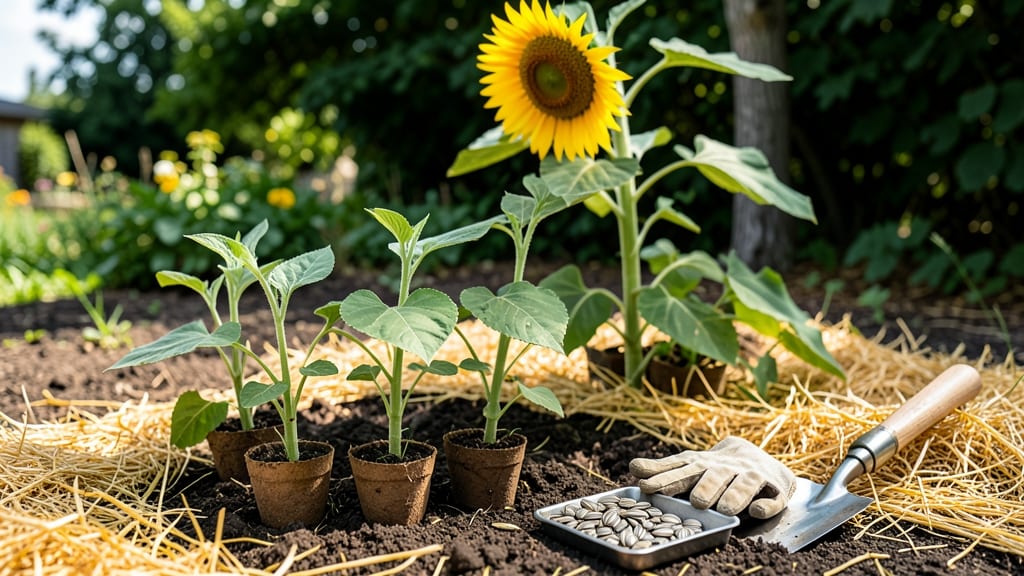
Planting sunflowers in Tennessee at the right time means the difference between fast, towering blooms and struggling seedlings that never reach their potential.
Sunflowers aren’t just cheerful additions to your garden—they thrive in Tennessee’s climate when planted at the perfect time. Get it wrong, and you’ll miss peak blooms; get it right, and you’ll enjoy towering stems and vibrant faces all season long.
With USDA zones ranging from 5b in the mountains to 7a in the south, timing varies—but the core rule is simple: wait until after your last frost, which typically lands in mid-April for most of the state.
Below, I break down the exact months for your zone, how to adjust for Tennessee’s unpredictable weather, and the fastest-growing varieties to plant for maximum height and speed.
Best planting months for sunflowers in Tennessee by USDA Zone
Tennessee’s diverse USDA zones 5b through 8a create unique planting windows for sunflowers. In Zone 6a (most of the state), aim for mid-April to early June after the last frost.
However, southern regions like Memphis (Zone 7a) can start as early as late March, while higher elevations (Zone 5b) may need to wait until late April. These timing differences directly impact growth speed and bloom size, so choosing the right window is key.
Sunflowers love warmth, but they’re also frost-sensitive seedlings. Planting too early risks cold damage, while waiting too long may reduce flowering time. The ideal soil temperature for germination is 55–65°F, which Tennessee typically reaches by mid-spring.
Use these zone-specific guidelines to align your planting with your local climate for the best results.
🌱 Pro Tip: Check your local frost dates (via the National Weather Service) and adjust planting by 2–3 weeks if your area has a history of late frosts. This flexibility ensures your sunflowers get a strong start without risking damage.
| USDA Zone | Last Frost Date | Best Planting Window | Growth Speed | Bloom Time |
|---|---|---|---|---|
| 5b (East TN) | Late April | Late April–May 15 | Moderate (cooler temps slow growth) | Late July–Sept |
| 6a (Middle TN) | Mid-April | Mid-April–June 1 | Fast (ideal warmth) | Early July–Aug |
| 7a (West/South TN) | Late March | Late March–May 10 | Very Fast (longer growing season) | June–Sept |
| 7b (Far West TN) | Early March | Early March–June 15 | Fastest (hot summers) | May–Oct |
If you’re in Zone 6a or higher, you can even try a second planting in early July for late-season blooms. This works best with fast-maturing varieties like ‘Moulin Rouge’ (50–55 days to bloom) or ‘Autumn Beauty’ (60–70 days).
Just be sure to water deeply during Tennessee’s summer heat to prevent bolt stress.
For Zone 5b gardeners, consider starting seeds indoors in March and transplanting after the last frost. Use grow lights or a sunny windowsill to give seedlings a head start. This method can extend your bloom window by 2–3 weeks, ensuring you enjoy sunflowers well into early fall.
Microclimates play a big role in Tennessee. Valleys and urban areas (like Nashville) often warm up faster than mountain slopes, so adjust your planting by 1–2 weeks earlier if you’re in a warmer pocket.
Conversely, higher elevations (e.g., Great Smoky Mountains) may need to delay planting until mid-May to avoid frost.
Sunflowers thrive in Tennessee’s long, hot summers, but they need a cool start. Planting in May balances these needs, giving seedlings time to establish before July heat waves. This timing also aligns with peak pollinator activity, attracting bees and butterflies to your garden all season.
To maximize stem strength and bloom size, avoid planting after mid-June. Late plantings may produce shorter stems and smaller flowers due to reduced daylight hours. Instead, focus on April–May plantings for the most dramatic results.
🌻
How to adjust sunflower planting for Tennessee’s unpredictable weather patterns
Tennessee’s weather can swing from late spring frosts to sudden summer heatwaves in just weeks, making sunflower planting a delicate balance. Unlike hardy perennials, sunflowers are annuals that need consistent warmth to thrive.
My top tip? Start with soil prep that accounts for moisture fluctuations and use row covers for early plantings to protect against unexpected cold snaps.
Even in USDA Zone 6a, where most of Tennessee falls, your local microclimate matters. For example, East Tennessee’s higher elevations (like Knoxville) may experience frost until mid-April, while West Tennessee’s Memphis area can safely plant by late March.
Always check your last frost date—but be ready to adjust if Mother Nature throws a curveball.
Never plant sunflower seeds too early, even if daytime temps rise. Tennessee’s late frosts (often in April) can kill young seedlings. Wait until soil temps hit 55°F+—use a soil thermometer to confirm. If frost warnings pop up after planting, cover seedlings with lightweight row fabric or old bedsheets for 24–48 hours.
For soil moisture management, Tennessee’s clay-heavy soils can become waterlogged after heavy rains. Amend your beds with 2–3 inches of compost before planting to improve drainage. I also recommend raised beds in low-lying areas where water pools—this gives roots room to breathe and prevents rot.
Mulch with straw or shredded leaves to retain moisture during dry spells (common in July–August).
Adjust your seed depth based on soil conditions. In dry spells, plant seeds ½ inch deeper to protect them from drying out. If your soil is already moist (like after spring rains), stick to the 1-inch depth recommendation.
Thin seedlings to 12–24 inches apart once they’re 4–6 inches tall—crowded plants compete for water and nutrients, especially during heatwaves.
Consider transplanting mature seedlings if your spring starts unusually cold. Buy 6-inch-tall sunflower starts from nurseries in early May and harden them off for a week before moving to your garden.
This strategy buys you 3–4 extra weeks of growing time before summer’s intense heat arrives. Just be sure to water deeply the day before and after transplanting to reduce shock.
Finally, embrace succession planting to extend your sunflower season. Sow a second batch in early July for late-summer blooms. Choose dwarf varieties (like ‘Teddy Bear’) for containers or small spaces—they tolerate heat better than towering types. With these adjustments, you’ll turn Tennessee’s unpredictable weather into an advantage, not a setback.