
Planting
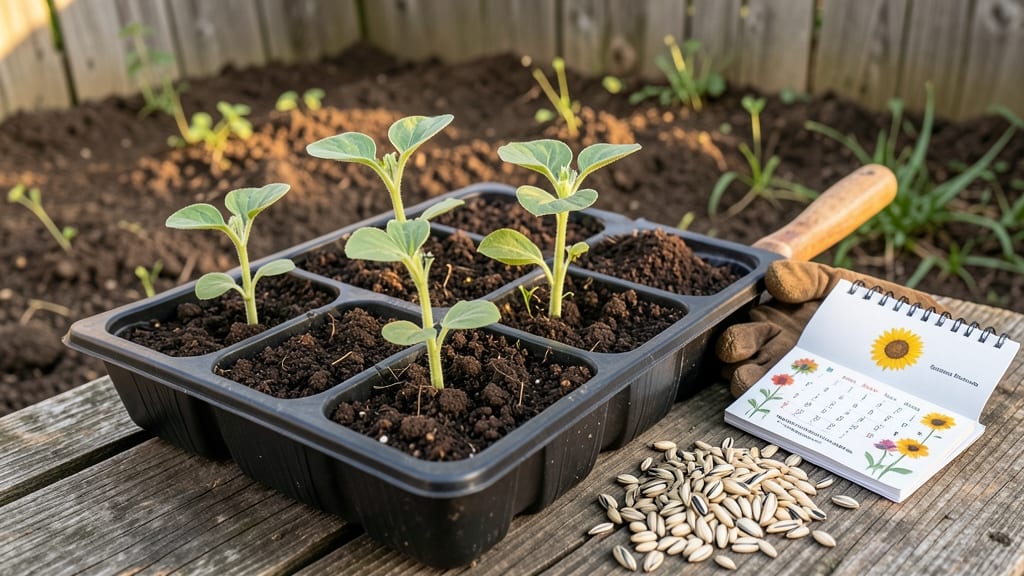
What time of the year do you plant sunflowers for those towering blooms you dream of? Planting in spring, after the last frost, is the secret to fast germination and vibrant growth—while timing it wrong can leave you waiting months for results.
Sunflowers aren’t just cheerful garden stars—they thrive when planted at the perfect time, and getting it wrong can mean slow growth or disappointing blooms. Whether you’re a first-time gardener or a seasoned pro, timing matters more than you think.
In USDA Zone 6a, like much of the Midwest, the ideal window is April to May, when soil warms to at least 50°F. But if you live in warmer zones, you might start as early as March, while cooler climates could push planting into early June.
Below, I’ll break down the exact months for your zone, how to prep soil for fast germination, and the one mistake that stalls growth before it even begins.
USDA planting Zones & best months for sunflower germination
Sunflowers love warmth, and planting them at the right time ensures fast germination and vibrant blooms. The USDA Plant Hardiness Zone you live in determines your ideal planting window—too early, and frost will kill tender seedlings; too late, and you’ll miss the long summer days they crave.
Let’s break down the best months by zone so you can plant with confidence.
Most sunflower varieties thrive when soil temperatures reach 50-60°F, which typically aligns with late spring in most regions. However, early varieties can tolerate cooler soil, while tall giants need the full heat of summer to reach their potential.
Whether you’re direct-sowing or starting indoors, timing is everything for maximizing growth and avoiding frost damage.
Pro Tip: Use a soil thermometer to check depth—sunflower seeds need warmth at least 1 inch deep. If your soil is still chilly, wait a few more weeks or consider a black plastic mulch to warm it up faster.
| USDA Zone | Best Planting Month | Indoor Start (Weeks Before Outdoors) | Direct Sowing Window | Frost Risk |
|---|---|---|---|---|
| 3-4 | Mid-May to early June | Start indoors 6-8 weeks before last frost | After May 15 (soil must be 55°F+) | High (plant after May 1) |
| 5-6 | Late April to May | Start indoors 4-6 weeks before last frost | April 20-May 10 (soil 50°F+) | Moderate (watch for late frosts) |
| 7-8 | March to early April | Optional (direct sow preferred) | March 15-April 15 (soil 55°F+) | Low (frost rare after March 15) |
| 9-10 | January to February | Not needed (direct sow year-round) | January-April (soil 60°F+) | None (warm climate) |
| 11 | Year-round (best in winter-spring) | N/A (direct sow only) | September-March (avoid summer heat) | None |
🌱 Note: Adjust for high-altitude areas (plant 2-4 weeks later).
If you’re in Zones 3-4, don’t rush to plant—waiting until mid-May ensures your seeds won’t rot in cold soil. In Zones 5-6, you can start early varieties like ‘Teddy Bear’ in late April, but save taller types for May to avoid stem flopping in wind or rain.
For Zones 7-11, the real challenge is heat tolerance. Plant dwarf varieties in early spring or fall to avoid the intense summer sun that can scorch seedlings. In Zone 11, you can even grow sunflowers in winter—just keep them well-watered during dry spells.
Direct sowing is the fastest method for sunflowers, but if you’re in a short-season zone, starting seeds indoors 4-6 weeks before the last frost can give you a head start. Use biodegradable pots to avoid transplant shock when moving them outdoors.
Watch for false starts—some years, a warm spell in March might trick you into planting too early. Always check your local frost dates and wait until nighttime temperatures stay above 45°F consistently. A frost cloth can buy you extra time if late frosts are forecasted.
Once planted, sunflowers grow rapidly—some varieties can reach 10 feet in just 80 days! But rushing the process by planting too soon can lead to stunted growth or pale, leggy stems. Patience pays off with bold, healthy blooms that attract pollinators all season.
🌻 Whether you’re in chilly Zone 3 or
Signs your sunflower seeds are ready for planting (soil & weather checklist)
Planting sunflower seeds at the wrong time can leave you waiting months for those cheerful blooms to appear—or worse, no germination at all. The key to success lies in reading your soil and weather like a pro.
Sunflowers need specific conditions to sprout reliably, and missing these cues often leads to disappointment. Let’s break down what your garden must say “yes” to before you plant.
First, check your soil temperature. Sunflower seeds won’t germinate until the ground reaches at least 50°F, but they thrive best when soil hits 60-70°F. Use a soil thermometer to confirm—this is non-negotiable.
Cold soil slows germination, and seeds may rot before sprouting. If your region still has late frosts, wait until the danger has passed entirely.
Next, assess your moisture levels. Sunflowers need consistently moist but not soggy soil. Test this by digging a small hole—if the soil clumps together but isn’t dripping wet, it’s ready.
Overly dry soil will cause seeds to dry out, while waterlogged soil can suffocate them. Aim for 1 inch of water per week, either from rain or irrigation, once planted.
- 🌡️ Soil Temp Check
- Soil must stay above 50°F for 7+ days
- Use a thermometer—60-70°F is ideal
- Avoid planting if night temps dip below 45°F
- ☀️ Weather Window
- Choose 3-4 days with no rain forecast
- Avoid planting if heavy rain is predicted within 48 hours
- Sunny skies for 6+ hours daily are a must
- 💧 Moisture Test
- Soil should feel like a slightly damp sponge
- Dig 2 inches deep—soil should hold shape but not be sticky
- Water deeply 24 hours before planting to prep soil
Don’t overlook the weather forecast in the days leading up to planting. Sunflowers despise soggy conditions, so hold off if heavy rain is predicted within 48 hours of sowing. Aim for a stretch of 3-4 dry, sunny days to give seeds the best chance to establish roots without washing away.
Even a light breeze can shift seeds if the soil isn’t firmly packed.
Finally, pay attention to your local frost dates. Sunflowers are frost-sensitive, so planting too early—even if soil temps are warm—can kill seedlings. In most USDA Zones 3-7, wait until mid-to-late spring (after May 1 in many regions).
For zones 8-11, you can plant as early as March-April, but always confirm your last frost date first.
Pro tip: Mark your calendar for 2 weeks after planting—this is when you should see sprouts if conditions are right. If nothing emerges by then, your soil or weather cues were off. Adjust next year’s timing based on what you learn! 🌱