
Flowers
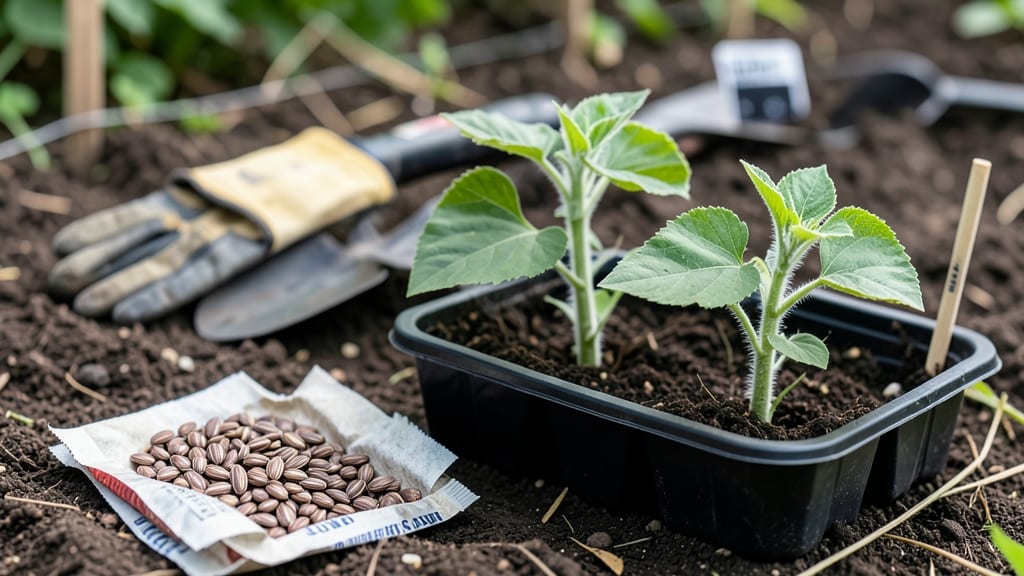
Planting sunflowers in Massachusetts after the last frost—typically mid-April to early July—sets the stage for towering blooms that brighten your garden from summer to fall.
But wait too long, and you’ll miss the 60-day window before the first frost nips at their leaves. That’s why knowing your zone’s frost dates and soil temps is the difference between a 10-foot giant and a sad, stunted plant.
Here’s how to time it right: when to sow seeds, how to prep soil for fast germination, and which sunflower varieties thrive in Massachusetts’ 5b-7a climate.
You’ll also learn how to stretch the growing season with row covers, pick the best varieties for your zone, and avoid common mistakes that kill sunflowers before they bloom.
Massachusetts sunflower planting timeline by hardiness zone (5-7)
Sunflowers thrive in Massachusetts' USDA Zones 5b-7a, but timing your planting is critical to avoid frost damage. The last average frost date ranges from mid-April in Boston to early May in northern MA, creating a 150-day growing window for most varieties.
To maximize your sunflowers' towering potential, we'll break down the perfect planting schedule by zone, including soil temperature requirements and transplanting windows.
For all zones, soil must reach 55°F+ before planting—this typically aligns with late April to early May. However, you can start starter plants indoors 4-6 weeks before your last frost date if you're eager to get a head start.
Direct sowing outdoors is generally preferred for sunflowers, as they transplant poorly due to their deep taproots.
Here's your zone-specific planting timeline, including ideal transplant windows and frost risk periods:
| Zone | Last Avg. Frost | Soil Temp Requirement | Direct Sow Window | Transplant Window | First Frost Risk |
|---|---|---|---|---|---|
| Zone 5b (Northern MA) | May 1 | 55°F+ (late May) | May 15-June 15 | April 15 (with frost cloth) | Late September |
| Zone 6a (Central MA) | April 25 | 55°F+ (early May) | May 1-June 10 | April 1 (with protection) | Mid-October |
| Zone 7a (Southern MA) | April 15 | 55°F+ (late April) | April 20-June 5 | March 15 (with frost cloth) | Early October |
| 🌱 Pro Tip: For late summer blooms, try a second planting in early July (Zone 7a only) using fast-maturing varieties like 'Autumn Beauty'. | |||||
In Zone 5b, where frosts linger longer, I recommend waiting until after May 15 to plant sunflowers outdoors. The soil temperature is your best guide—wait until it consistently stays above 55°F for at least a week.
For transplanting starter plants, use frost cloth and plant after the last frost date to avoid shock.
For Zone 6a, you have a slightly longer window, but don't rush—sunflowers planted too early in cool soil may rot or take forever to sprout. Aim for early May when soil temperatures stabilize.
If you're growing tall varieties like 'Mammoth', give them plenty of space—they'll need 12-24 inches between plants for proper airflow and sunlight.
Southern Massachusetts' Zone 7a offers the most flexibility, with March plantings possible if you use row covers or a cold frame. This early start can give you giant sunflowers by August.
However, be cautious—sunflowers planted too early may bolt prematurely or produce smaller blooms. Balance early planting with fast-maturing varieties for best results.
No matter your zone, always monitor your local microclimate. Urban areas like Boston often warm up faster than rural spots, while valleys may stay cooler. Use a soil thermometer to confirm readiness—55°F+ is non-negotiable for sunflower seeds to germinate properly.
And remember, sunflowers are annuals in Massachusetts, so plan to replant each year for continuous summer color.
For container growing, you can extend your planting window by 2-3 weeks since pots warm up faster. Just ensure your container is at least 12 inches deep to accommodate those deep taproots.
Place containers in full sun (6+ hours daily) and water deeply every 2-3 days once established. With the right timing, you'll have sunflowers reaching 10 feet tall by late summer!
🌻
How to extend the sunflower growing season in Massachusetts
Massachusetts' short growing season (only about 150 frost-free days) can make sunflower gardening challenging, but with the right strategies, you can enjoy towering blooms from early summer to late fall.
The key is combining season extension tools with smart planting techniques to protect young plants and maximize their growth potential.
Sunflowers thrive in warm soil (55°F+), which typically arrives in late April to early May across most of the state. However, using row covers or cold frames lets you start seeds 4-6 weeks earlier, giving you a head start on the season.
I’ve found that even a few extra weeks can mean the difference between sunflowers that barely bloom and ones that reach their full 8-14 foot potential.
- Start seeds indoors in March (6-8 weeks before last frost) using grow lights or a sunny windowsill. Transplant outdoors after soil warms to 55°F.
- Use row covers or floating row covers to protect seedlings from late spring frosts (common until mid-May in northern MA). These also deter pests like cutworms.
- Opt for fast-maturing varieties (50-60 days to bloom) like 'Autumn Beauty' or 'ProCut' to ensure flowers open before first frost (typically mid-October).
- Practice succession planting by sowing seeds every 2-3 weeks from late April to early July. This creates a continuous display of blooms throughout the season.
- Extend the season into fall by planting late-season varieties (like 'Russian Giant') in early July and using black plastic mulch to absorb heat and delay frost.
One of my favorite tricks is using cold frames or mini greenhouses to start sunflower seeds as early as February. These create a microclimate that mimics spring conditions, allowing seedlings to grow strong before transplanting.
Just be sure to harden off plants for 7-10 days before moving them outdoors to avoid shock.
For gardeners in USDA Zone 5b (northern MA), where frost can linger until May 1, I recommend combining row covers with succession planting. Plant a first batch in late April under protection, then add 2-3 more plantings every 3 weeks.
This staggered approach ensures you’ll have blooms from July through September, even in cooler areas.
Don’t overlook the power of black plastic mulch or straw mulch to extend the season. These materials warm the soil faster in spring and insulate roots in fall, giving sunflowers 2-3 extra weeks of growth. Plus, mulch suppresses weeds and retains moisture—critical for sunflowers’ deep taproots.
Finally, choose disease-resistant varieties like 'Sungold' or 'Moulin Rouge' to minimize setbacks from powdery mildew or rust, which thrive in Massachusetts’ humid summers. With these strategies, you can enjoy sunflowers that bloom from July to October, even in our shorter growing season. 🌻