
Flowers
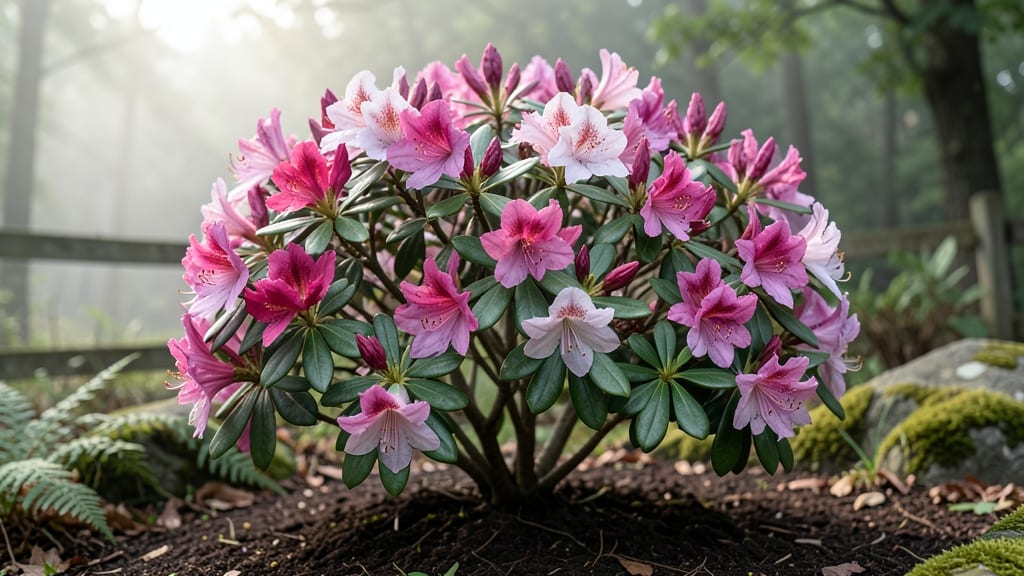
Azaleas flower in spring — but the exact timing depends on your zone, with blooms arriving anywhere from late winter to early summer.
Picture this: your neighbor’s azaleas 🌸 are already bursting with color in March, while yours haven’t even budded. That’s not a gardening failure—it’s all about your climate. In cooler zones like 6a, expect flowers in April or May, while warmer regions see them as early as February.
Below, I break down the blooming schedule by USDA zone, including how to spot early signs of buds and what to do if your azaleas are running late.
You’ll also discover simple tricks to encourage longer blooms, from pruning tips to soil secrets that keep your azaleas flowering year after year.
Azalea flowering calendar by USDA hardiness zones: months for peak blooms
Timing is everything when it comes to azalea blooms—these stunning shrubs rely on temperature cues to trigger their spectacular displays. In USDA Zones 4-10, azaleas can flower anywhere from late winter to early summer, but the exact timing depends on your local climate and variety.
Understanding your zone's blooming window helps you plan for the best viewing and care.
Most azaleas bloom on old wood, meaning their flower buds form the previous summer and need chilling temperatures (below 45°F) to develop properly. Once they sense warmer weather in spring, they burst into color.
However, late-season varieties may wait until summer, especially in warmer zones like Zone 9 or 10.
Here's how to predict your azaleas' bloom time based on your USDA hardiness zone, including early, peak, and late-season varieties that thrive in each region:
| USDA Zone | Early Bloomers (Month) | Peak Season (Month) | Late Bloomers (Month) | Key Varieties |
|---|---|---|---|---|
| 4-5 | Late April | May | Early June | 'Girard's Pink', 'Hershey's Red' |
| 6 | Early April | April-May | Late May | 'Southern Indica', 'George L. Taber' |
| 7 | Mid-March | March-April | Early May | 'Hino Crimson', 'Formosa' |
| 8 | February | March-April | May | 'Nancy Lind', 'Bowl of Beauty' |
| 9 | January-February | February-March | April | 'Dr. Huey', 'Karen Ann' |
| 10 | December-January | January-February | March | 'George L. Taber', 'Tiny Wine' |
Note: Late-season bloomers often thrive in warmer zones and may rebloom with proper care.
If you're in Zone 6 or cooler, your azaleas likely bloom in April or May, while gardeners in Zones 8-10 often enjoy earlier displays in February or March. This variation occurs because warmer climates trigger blooming sooner, while cooler zones need more chilling hours before flowering.
To predict your local bloom time, watch for bud swell in late winter—this signals the flowers are about to open. In Zone 7, for example, 'Hino Crimson' azaleas often begin swelling buds in February, with full blooms by March.
Keep a garden journal to track your plants' patterns over years.
For reblooming varieties like 'Karen Ann', you can encourage a second flush of flowers by providing consistent care after the first bloom. This includes regular watering, light fertilization in early summer, and protecting them from late-season frost that can damage buds.
Remember, azaleas in containers may bloom slightly later than in-ground plants because their roots warm up more slowly. If you're growing potted azaleas, move them to a shaded outdoor spot in early spring to help trigger blooming.
Knowing your zone's blooming schedule helps you plan pruning (always prune after flowering) and fertilizing (feed in early spring) for the best results. With this calendar, you'll never miss your azaleas' stunning seasonal show again!
How to extend your azaleas' blooming season with simple gardening hacks
Your azaleas can put on an even more spectacular show with the right care. While their natural blooming window is typically 4-6 weeks, you can stretch that to 8-10 weeks or even longer by focusing on a few key gardening strategies.
The secret lies in understanding how azaleas form flower buds and what conditions encourage them to stay vibrant longer.
Azalea buds form on old wood—meaning last year's growth—so aggressive pruning can actually shorten your blooming season. Instead, we'll focus on gentle techniques that support bud development and prolong flower life. From soil science to smart watering, these hacks will transform your azaleas from seasonal stars to year-round showstoppers.
- 1 Prune after blooming—never in fall or winter—to preserve next year's flower buds on old wood.
- 2 Maintain acidic soil (pH 4.5-6.0) with pine bark mulch or sulfur amendments to boost nutrient uptake for flowers.
- 3 Water deeply in mornings to reduce stress—1-2 inches weekly—and avoid wetting flowers to prevent fungal spots.
- 4 Plant companion plants like heuchera or ferns to create microclimates that retain moisture and extend bloom life.
- 5 Fertilize lightly in early spring with acid-loving plant food (10-10-10) to encourage bud formation without leafy overgrowth.
- ❌ Pruning in fall/winter removes next year's flower buds—always wait until after blooming.
- ❌ Over-fertilizing with high nitrogen promotes leaves over flowers—stick to balanced 10-10-10 ratios.
- ❌ Ignoring soil pH above 6.0 blocks nutrient uptake—test and amend with elemental sulfur if needed.
One of the simplest ways to extend your azaleas' blooming season is through strategic pruning. Many gardeners make the mistake of pruning in late fall or winter, but this removes the flower buds that formed on old wood the previous season.
Instead, prune immediately after your azaleas finish blooming—usually in June or July—to shape the plant and encourage next year's buds.
For even longer blooms, consider adding a 3-inch layer of pine bark mulch around your azaleas. This not only keeps roots cool but also slowly releases nutrients that support continuous flowering.
Pair this with morning watering to prevent fungal issues that can shorten bloom life by up to 2 weeks.
Don't overlook the power of companion planting either. Planting heuchera or hostas nearby creates a more humid microclimate that helps azalea flowers last longer. These companions also reduce soil evaporation, keeping your plants healthier throughout the season.
Finally, if your azaleas are mature but struggling to bloom, try a light spring feeding with an acid-loving plant fertilizer. The key is timing—apply it when you see new growth emerge in early spring, not after blooming.
This gives your plants the energy they need to produce more buds for next season.