
Blooming
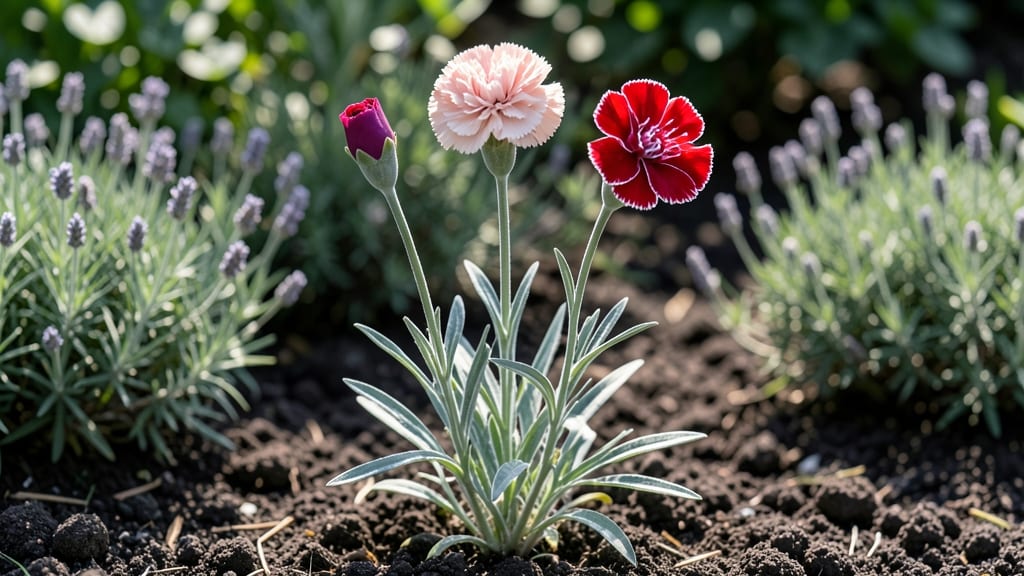
Carnations flower at different times depending on the variety and climate zone, but most burst into bloom between late spring and early fall 🌸 — with some varieties stretching that window into year-round color.
Picture this: you plant your carnations in March, expecting a summer show, only to find them fading by August. That’s a common frustration, but the timing isn’t random. It’s all about the type you grow—spring bloomers, summer lovers, or those that keep going all season long.
In USDA Zone 6a, where many gardeners live, spring-planted carnations typically flower from June to October, while fall plantings can deliver blooms as late as December. But warmer zones? Those carnations might keep going well into winter if you give them the right care.
Here’s the game-changer: with a few simple tricks—like deadheading spent blooms, adjusting sunlight, and feeding at the right times—you can stretch that flowering season by months. Ready to turn fleeting bursts into a garden full of color?
Carnation flowering seasons by variety: spring vs summer vs year-round bloomers
Carnations are one of the most versatile flowering plants in any garden, offering blooms in nearly every season depending on the variety and care. Whether you're growing standard carnations for cut flowers or miniature varieties for containers, understanding their natural flowering windows helps you plan for maximum impact.
Some burst into color in spring, while others thrive in summer heat or even bloom year-round in ideal climates.
The key to long-lasting carnation blooms lies in selecting the right variety for your climate. For example, spring-blooming carnations often produce their first flowers in late April to June, while summer varieties peak from July to September.
Meanwhile, perennial carnations can reward you with multiple bloom cycles if given proper care. Let’s explore how to choose and what to expect from each type.
🌸 Visual Guide to Carnation Blooming Seasons
| Variety | Bloom Season | Duration | Color Intensity | Best For |
|---|---|---|---|---|
| Standard Carnations | Spring (Apr-Jun) / Fall (Sep-Nov) | 4-6 weeks | Vibrant, bold | Cut flowers, bouquets |
| Spray Carnations | Summer (Jun-Aug) | 6-8 weeks | Bright, uniform | Garden borders, mass planting |
| Miniature Carnations | Year-round (tropical climates) / Spring-Fall (cool climates) | 3-5 weeks per cycle | Soft, delicate | Containers, window boxes |
| Perennial Carnations | Spring & Fall (bi-seasonal) | 3-4 weeks per season | Rich, deep hues | Perennial gardens, low-maintenance beds |
| Dianthus (Carnation Hybrids) | Summer (Jul-Sep) | 5-7 weeks | Fragrant, vivid | Fragrance gardens, rockeries |
✂️ Pro Tip: Deadhead spent blooms to extend each cycle by 2-4 weeks.
Standard carnations are the classic spring bloomers, often planted in early spring for late April to June displays. These tall, showy flowers are perfect for cut arrangements and thrive in cool to moderate climates. If you plant them in late summer, they’ll reward you with fall blooms from September to November, just in time for holiday decorations.
For summer-long color, spray carnations are your best bet. These clustered blooms burst into action from June to August, making them ideal for garden borders and mass plantings. Their bright, uniform colors add a cheerful pop to any landscape.
Unlike their spring counterparts, spray carnations tolerate heat better, so they’re perfect for southern gardens where spring blooms fade quickly.
Miniature carnations are the secret weapon for year-round bloomers in tropical or mild climates. In USDA Zones 8-10, they can flower continuously if given consistent care. Even in cooler zones, they’ll bloom from spring to fall with proper protection from frost. Their delicate, dainty flowers are perfect for containers and window boxes, adding charm to patios and balconies.
If you want low-maintenance blooms that come back year after year, perennial carnations are the way to go. These hardy varieties produce
How climate Zones affect carnation blooming times: USDA Zones explained
Your carnation blooming schedule shifts dramatically depending on whether you're in USDA Zones 3-6 (cold climates) or Zones 7-10 (warmer regions). In colder zones, most varieties need spring planting for summer blooms, while warm zones often allow year-round flowering with proper care.
The key difference? Frost sensitivity in tender varieties like Dianthus caryophyllus.
In Zones 3-6, gardeners typically plant carnations 4-6 weeks before last frost (March-April) for June-July blooms. However, fall planting (August-September) can yield late summer to frost flowers. The challenge? Many tender varieties won't survive winter outdoors, requiring container growing or seasonal protection.
For Zones 7-10, the rules change entirely. Many perennial carnations (like 'Chabaud' varieties) bloom year-round with minimal dormancy. Plant in fall or early spring for continuous blooms, though summer heat may reduce flower production without afternoon shade.
My Zone 9 garden yields pink and red blooms from February through November with just mulch protection in winter.
Cold-hardy varieties like 'Iceberg' or 'Snowball' carnations thrive in Zones 3-6 when planted in well-draining soil with winter mulch. These perennial types return yearly, blooming June-August after surviving -20°F temps. The secret? Fall fertilization with phosphorus-rich compost to strengthen roots before winter.
In Zones 7-10, succession planting every 6-8 weeks ensures non-stop color. For example, plant spray carnations in January, March, June, and September to stagger blooms. Deadheading spent flowers extends each bloom cycle by 3-4 weeks, while pruning back leggy stems in late summer encourages fall reblooming.
Regardless of zone, soil temperature matters most. Carnations won't sprout until soil reaches 50°F. Use row covers in Zones 3-6 to warm soil early, or container growing in Zones 7-10 to control root zone temps.
My Zone 5 garden starts carnations in biodegradable pots under clear plastic domes—this advances blooms by 3 weeks compared to direct sowing.
Pro tip: Frost-sensitive varieties (like 'Fantasy' series) need overwintering protection in Zones 3-6. Wrap containers in bubble wrap and bury in straw mulch to survive 20°F nights. In Zones 7-10, shade cloth during <