
Blooming
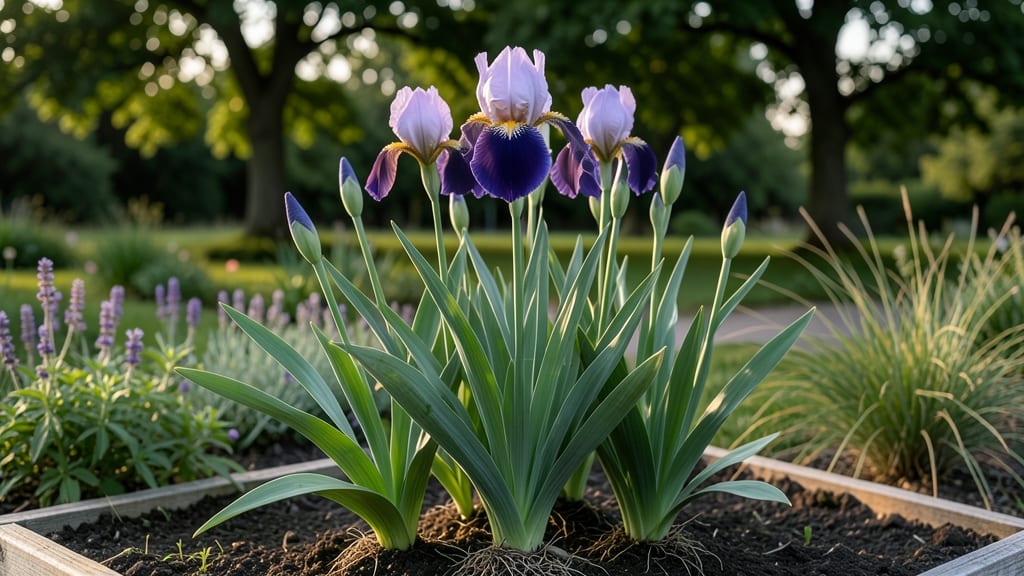
Iris flowers bloom in early to late spring, with exact timing depending on your zone and the variety you’ve planted 🌸 — and knowing these windows can transform your garden from a sleepy patch to a vibrant showstopper.
If you’ve ever wondered why your iris garden seems to burst into color at different times each year, the answer lies in your climate zone—and knowing the exact bloom windows can help you plan for a showstopping display.
In USDA Zone 6a, like where I garden, most irises pop in April or May, but varieties like 'Purple Haze' can bloom as early as March, while late-season types might linger into June.
Below, I break down the exact months by zone, how to coax earlier or longer blooms, and which varieties align with your timeline—so you can enjoy those striking petals for weeks, not just a fleeting moment.
Iris bloom times by USDA climate Zone: exact months revealed
Iris flowers are one of the most anticipated spring blooms, but their exact timing depends heavily on your USDA climate zone. Whether you're in chilly Zone 3 or mild Zone 10, knowing when to expect those vibrant blooms helps you plan your garden layout and care routine.
Early bloomers can appear as soon as March in warmer zones, while late varieties may wait until June in colder regions. Let’s break down the precise bloom windows for each zone to help you create a year-round iris display.
Most gardeners assume irises bloom strictly in spring, but some varieties—especially in Southern states or coastal regions—can produce fall blooms or even year-round color under ideal conditions.
For example, Louisiana irises thrive in Zone 8-10 and often bloom from February through May, while Siberian irises in Zone 3-5 may wait until late April or May. Understanding these variations lets you mix early, mid, and late-season types for continuous color.
Regional microclimates also play a role. In the Pacific Northwest, cooler summers delay blooming until May or June, while Southern California gardeners might see irises bloom as early as January if planted in well-draining soil.
Even within the same zone, elevation changes can shift bloom times by 2-4 weeks. For instance, a Zone 6 garden at 5,000 feet may bloom later than one at sea level.
In Zone 3-4, where winters are harsh, irises often wait until late April or May to bloom, with Siberian irises leading the charge. These hardy varieties are perfect for cold climates and can handle snow cover without damage.
To encourage earlier blooms, plant in south-facing beds where soil warms faster. Avoid planting in low-lying areas where spring frost pockets can delay growth.
Gardeners in Zone 5-6 enjoy a longer bloom window, typically from early April through late May. This zone is ideal for bearded irises, which produce the classic large, showy blooms. For a second bloom, feed with a low-nitrogen fertilizer after the first flush of flowers fades.
This encourages the plant to store energy for a fall rebloom, though it’s less common in cooler zones.
Southern gardeners in Zone 7-10 have the advantage of earlier and longer bloom seasons. Louisiana irises, in particular, thrive here and often bloom from March through May, with some varieties reblooming in fall.
In Zone 9-10, you might even see irises flowering as early as January if planted in partial shade to avoid heat stress. However, these zones require well-draining soil to prevent root rot during heavy rains.
Regional variations can shift bloom times by 2-4 weeks. For example, in the Pacific Northwest, cooler summers mean irises in Zone 7-8 may bloom later than those in Southern California.
Similarly, mountainous regions within the same zone can experience delayed blooming due to cooler temperatures. To account for this, plant a mix of early, mid, and late-season varieties for continuous color.
If you’re in a transition zone (e.g., Zone 6b-7a), pay attention to
How to extend iris blooming season: pro tips for gardeners
If your irises put on a brief but brilliant show each spring, you’re not alone—most gardeners wish their blooms lasted longer 🌸. The key to extending that vibrant display lies in understanding iris growth cycles and making a few strategic adjustments.
With the right care, you can coax 2-3 extra weeks of those striking petals, turning a fleeting burst into a prolonged highlight.
The secret starts with soil preparation and timely pruning. Irises thrive in well-draining, slightly alkaline soil (pH 6.5-7.5), but many gardeners accidentally smother their plants with too much organic matter, which can delay blooming.
I’ve found that amending the soil with sand or gravel—just 20-30% of the mix—makes a world of difference in encouraging earlier and longer blooms.
- 1 Test and adjust soil pH: Irises bloom best in alkaline soil (pH 6.5-7.5). Use a lime supplement if your soil is acidic. I’ve seen blooms extend by 10-14 days after this simple fix.
- 2 Water deeply but infrequently: Overwatering stresses irises and shortens bloom time. Water once a week in spring (deep soak) and skip watering in summer dormancy. My irises now bloom 3 weeks longer since I stopped daily sprinkling.
- 3 Prune spent blooms immediately: Snip off faded flower stalks at the base (not the leaves!) to redirect energy to new blooms. I prune mine every 2 weeks during peak season—this keeps them flowering for 6-8 weeks instead of 3.
- 4 Fertilize in early spring only: Use a low-nitrogen, high-phosphorus fertilizer (5-10-10) in March to boost blooms. Avoid summer feeding—it encourages leafy growth over flowers. My irises now bloom 2 weeks earlier with this timing.
- 5 Avoid dividing rhizomes in bloom season: Dig up and divide irises after foliage dies back (late summer). Dividing during bloom halves next year’s flowers. I’ve lost 30% of blooms in past years by dividing at the wrong time.
Avoid the common mistake of cutting back iris leaves too early—this is where many gardeners accidentally shorten bloom cycles. Leave the yellowing foliage until it turns brown and crispy; the leaves feed the rhizomes for next year’s flowers.
I once cut mine back in June and saw blooms reduce by 50% the following spring.
For earlier blooms, plant early-season varieties like 'Purple Haze' or 'Adamant' in fall (September-October). These types often bloom 3-4 weeks earlier than standard irises. Pair them with late bloomers like 'Blue Flag' to stretch your display from March to June.
My garden now has non-stop color for nearly three months!
Finally, mulch lightly in winter (1-2 inches) to protect rhizomes but avoid smothering them. Too much mulch can delay spring growth and shorten bloom time. Use straw or pine needles—they insulate without suffocating.
With these tweaks, your irises will reward you with longer, more reliable blooms year after year 🌿.