
Blooming
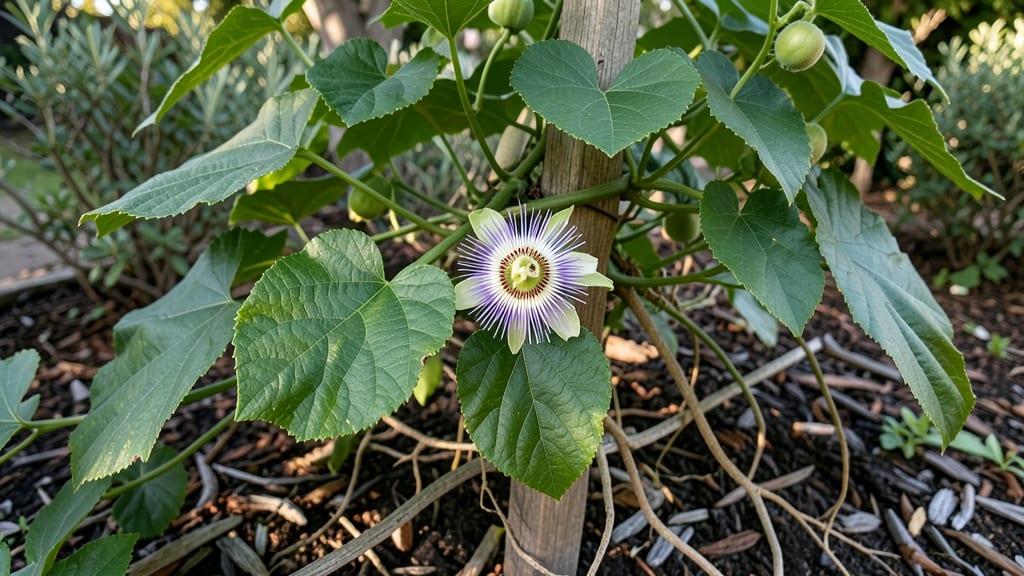
Passionfruit flowers when the days are long and warm, typically between late spring and early summer in General (Tropical/Subtropical Regions) like USDA Zones 10-12.
If you've ever wondered why your 🍈 passionfruit vine isn't producing those sweet, tropical fruits, timing might be the key—specifically, when (and if) those delicate flowers appear.
In cooler zones like 9b with winter protection, flowering can stretch from early summer into fall, while tropical varieties may bloom year-round. The secret lies in understanding how temperature shifts and daylight hours trigger these vibrant blooms.
Here’s how to recognize the right time for flowering, adjust for your climate, and troubleshoot common delays—so you can finally enjoy that first harvest of juicy passionfruit.
Passionfruit flowering seasons by USDA climate zones
Understanding when your passionfruit vine flowers depends entirely on your USDA climate zone. In warmer zones like Zones 9-11, these tropical vines can bloom nearly year-round, while cooler zones (Zone 8) experience more defined spring and summer flowering windows.
The key difference lies in whether your variety is tropical (like Passiflora edulis) or temperate (like Passiflora incarnata), which affects sensitivity to cooler temperatures.
For gardeners in Zones 10-11, passionfruit vines often produce continuous blooms from late winter through early fall, with peak flowering in spring and summer. However, even in these warm climates, slight temperature dips or drought stress can cause flowering to pause.
In Zone 9, flowering typically begins in early spring and continues until fall frost, with a brief rest period during the hottest summer months.
In Zone 8, where winters are cooler, passionfruit vines may enter dormancy, and flowering usually resumes in late spring after the last frost. Temperate varieties like maypop passionfruit (Passiflora incarnata) are better suited for these zones, as they tolerate cooler nights better than tropical varieties.
Always choose the right variety for your zone to maximize flowering success.
Seasonal shifts play a crucial role in passionfruit flowering.
For example, in Zone 10, the vine may slow down flowering during the hottest summer months (July-August) due to heat stress, while in Zone 8, cool spring nights can delay blooming until daytime temperatures consistently reach 75°F or higher.
Pay attention to your local microclimate—areas near large bodies of water or with afternoon shade may experience slightly different flowering patterns than open, sunny spots.
If you're in a transitional zone (like Zone 9b), consider using seasonal pruning to encourage flowering. Light pruning in early spring removes winter-damaged growth and stimulates new shoots, which often produce flowers within 6-8 weeks.
In Zones 10-11, where flowering can be year-round, focus on maintaining consistent moisture and balanced fertilization to prevent flowering gaps.
Another critical factor is daylength. Passionfruit vines in tropical zones (10-11) respond to longer daylight hours (12+ hours), which trigger flowering in late winter and spring. In temperate zones (8-9), shorter days in fall can signal the vine to prepare for dormancy, reducing flowering.
To extend the blooming season, consider using grow lights in early fall for Zone 8 gardeners, though this is more common in commercial settings.
For container-grown passionfruit
How to trigger passionfruit blooms early or late in your Zone
Passionfruit vines thrive when they bloom at the right time, but what if your USDA Zone 9 heatwave arrives too early or your Zone 10 winter lingers longer than usual? With the right techniques, you can coax those exotic flowers to appear when you need them most.
The key lies in understanding how temperature, light, and pruning interact with your passionfruit's natural cycle.
For gardeners in marginal zones like Zone 8b or those facing unpredictable weather, manipulating flowering timing can mean the difference between a failed harvest and a fruit-filled vine.
Whether you're aiming for early blooms to beat summer pests or late blooms to extend your harvest season, these proven strategies will help you take control of your passionfruit's flowering schedule.
Prune in late winter (for early blooms) or early summer (for late blooms) to stimulate new growth. Remove overly dense foliage to improve air circulation and redirect energy to flower production.
For early blooms, protect young vines from late frost with frost cloth. For late blooms, provide shade cloth (30-50%) during peak summer heat to prevent stress-induced dormancy.
Move potted vines to sunnier locations in winter for early blooms. In summer, provide partial afternoon shade to prevent heat stress that can delay flowering.
Apply phosphorus-rich fertilizer (5-10-10) in early spring for early blooms. For late blooms, switch to balanced fertilizer (10-10-10) in mid-summer to support extended flowering.
Maintain deep watering (1-2 gallons per vine) every 3-5 days. Avoid water stress by keeping soil evenly moist—this prevents flowering delays caused by drought or overwatering.
One common mistake is assuming passionfruit vines bloom only in spring or summer. In reality, they can flower year-round in ideal conditions. By combining these techniques, you can create the perfect environment for your vine to produce flowers—and eventually fruit—exactly when you want them.
For example, my Zone 9 passionfruit vine now blooms in late winter thanks to winter pruning and shade protection.
Remember that passionfruit varieties like Purple Passionfruit and Golden Passionfruit have slightly different responses to these techniques. Always monitor your vine's progress and adjust methods based on its specific needs.
With patience and the right timing, you'll be enjoying homegrown passionfruit long before your neighbors even see their first blooms! 🌱