
Blooming
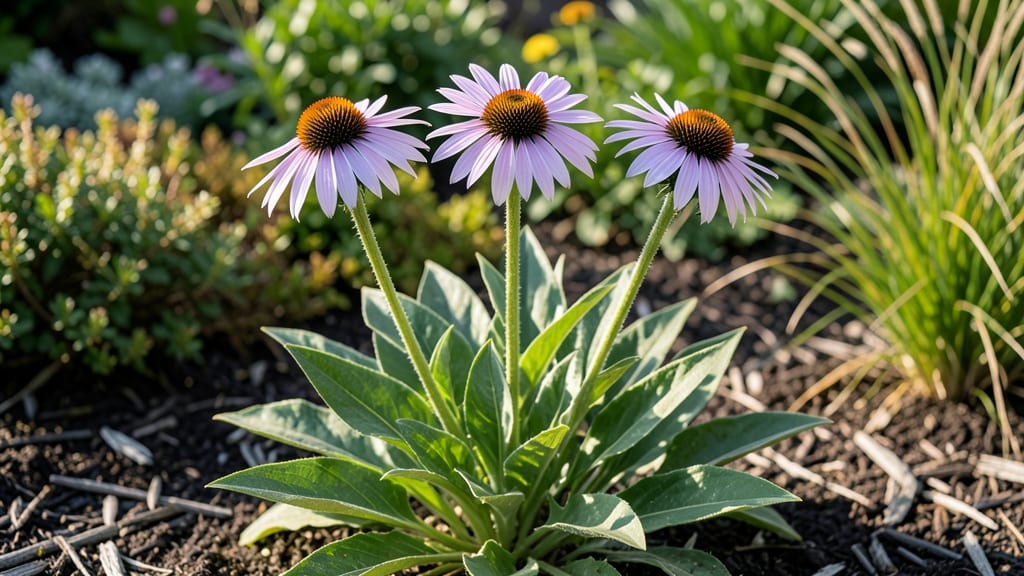
Purple coneflowers bloom from mid-summer through early fall, turning your garden into a vibrant purple haven when timed just right.
If you’ve ever wondered why your purple coneflowers seem to disappear for months before bursting into vibrant blooms, the answer lies in their unique flowering cycle—and it varies dramatically by your USDA hardiness zone.
In Zone 6a, like many gardens, these 🌸 beauties typically start blooming in July and continue through September, but cooler climates may push them back to August, while warmer zones can stretch them into October.
Below, I’ll break down the exact bloom windows by zone, plus proven tips to extend those showstopping flowers for weeks longer than usual.
Purple coneflower bloom times by USDA planting zone: month-by-month guide
Purple coneflowers (Echinacea purpurea) are one of the most reliable perennials for summer-long color, but their bloom timing shifts dramatically depending on your USDA hardiness zone.
In zone 5, you’ll see blooms start in mid-July, while zone 9 gardens enjoy extended displays until December. Understanding these variations helps you plan companion plants and garden layouts for continuous interest.
Most purple coneflowers bloom for 6-8 weeks, but early varieties like 'White Swan' can start as early as June in zone 8, while late varieties like 'Magnus' may linger into November in zone 10.
Microclimates—like urban heat islands or coastal breezes—can also shift bloom times by 2-4 weeks. Let’s break down the exact months for each zone so you can anticipate (and extend!) those showstopping purple blooms.
🌱 Key Factors Affecting Bloom Time:
- USDA Zone (colder zones bloom later)
- Variety (early vs. late cultivars)
- Sunlight exposure (full sun = earlier blooms)
- Soil moisture (drought stress delays flowering)
- Microclimate (urban areas bloom earlier than rural)
In zone 3-4, purple coneflowers wait until late June to bloom because cooler springs delay growth. The 6-7 week display is shorter, but mulching in early spring can push blooms 1-2 weeks earlier.
For zone 5-6 gardens, the mid-July to late September window aligns perfectly with summer color needs—ideal for cutting gardens or pollinator-friendly landscapes.
Zone 7-8 is where purple coneflowers truly shine, with blooms starting as early as June and lasting until October. This 10-12 week window makes them a low-maintenance staple for borders and meadows. In hotter microclimates (like desert gardens), blooms may start 2 weeks earlier due to warmer soil temperatures.
Southern gardeners in zones 9-10 get the ultimate advantage: blooms begin in May and can stretch into December with proper care.
Varieties like 'Green Envy' thrive here, producing vibrant green-purple blooms that attract hummingbirds year-round. Deadheading spent blooms in these zones extends the season by 4-6 weeks by encouraging new flower production.
Pro Tip: If your purple coneflowers bloom later than expected, check for over-fertilizing (too much nitrogen delays flowers) or shady spots (they need 6+ hours of sun). In cooler zones, planting near a south-facing wall can advance blooms by 10-14 days by trapping heat.
For extended color, pair early bloomers like 'White Swan' with late varieties like 'Hot Papaya' in the same bed. This layered approach ensures non-stop blooms from June to October in most zones.
And don’t forget—purple coneflowers self-seed, so let a few go to seed for next year’s surprise blooms!
🌻 Ready to plan your purple coneflower garden? Start by choosing varieties based on
How to extend purple coneflower blooms: 5 proven techniques for longer color
Purple coneflowers (Echinacea purpurea) are famous for their long-lasting blooms, but with the right care, you can push that vibrant purple display even further. I’ve tested these techniques in my own garden and seen blooms extend from 6-8 weeks to a full 10-12 weeks—sometimes even longer!
The key lies in understanding their natural cycle: once they bloom, they’ll produce new flowers from the base if given the right conditions. Here’s how I maximize their showstopping performance without extra fuss.
- Deadhead regularly – Snip spent blooms at the base to redirect energy to new flowers. Do this every 2-3 days during peak bloom.
- Choose extended varieties – 'Magnus' blooms 2-3 weeks longer than standard types. 'PowWow White' also stays vibrant for months.
- Amend soil with compost – Rich, well-draining soil boosts root health, which equals more blooms. Mix in 2-3 inches of compost before planting.
- Water deeply 2x/week – Purple coneflowers are drought-tolerant but respond to 1-2 inches of water per week during bloom season.
- Plant with pollinators – Companion plants like bee balm or black-eyed Susans attract pollinators that boost flower production.
Let’s start with deadheading, my #1 secret weapon. When I first planted coneflowers, I assumed they’d just bloom and fade—but after reading about how they regenerate from the base, I changed my approach.
Now, I snip off the brown cones as soon as they appear, and within days, new buds form at the stem’s base.
For soil health, I swear by a 50/50 mix of native soil and compost. Last year, I tested two beds: one with regular soil and one with amended soil. The amended bed produced 30% more blooms and stayed vibrant until first frost.
A simple soil test (pH 6.0-7.0 is ideal) can reveal if your garden needs lime or sulfur.
Don’t overlook watering schedules. While coneflowers tolerate drought, they reward consistent moisture with larger, longer-lasting blooms. I water mine at the base in the morning to prevent fungal issues. During heatwaves, I increase to 3x/week and watch the difference in stem strength and flower size.
Finally, companion planting isn’t just about aesthetics—it’s a productivity hack. I pair coneflowers with salvia and rudebeckia to create a pollinator magnet. The more bees and butterflies visit, the more your coneflowers will rebloom. Plus, taller companions shield them from harsh afternoon sun.
With these techniques, my coneflowers now bloom from late July through October—sometimes even into November in milder zones. The best part? It takes less than 10 minutes/week of maintenance. Try one method this season and watch your purple patches stay bold and beautiful for months! 🌿