
Flowers
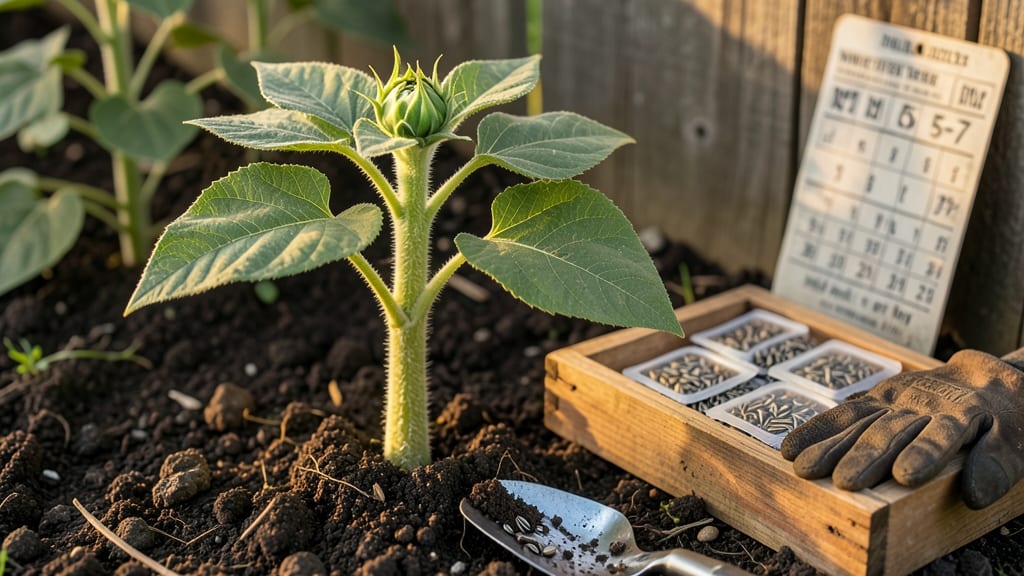
Planting sunflowers in Indiana starts when soil warms to 55°F+ and the last frost has passed — typically mid-April to early June, depending on your microclimate.
Indiana’s sunny skies make it a perfect spot for growing sunflowers 🌻, but timing is everything. Plant too early, and frost will strike; too late, and summer’s heat will cut your blooms short.
This guide breaks down the exact frost-free windows for USDA zones 5-6, soil prep tips, and variety-specific advice so you can grow sunflowers from 3-foot dwarfs to towering 14-foot giants.
You’ll learn how to stretch your season with succession planting, protect seedlings from late frosts, and choose varieties that thrive in Indiana’s humidity and heat.
Indiana sunflower planting dates by hardiness Zone (5-6): exact timelines
Indiana’s USDA Zones 5-6 offer perfect conditions for sunflowers, but planting timing varies by microclimate. In Zone 5a (northern Indiana), last frost averages April 22, while Zone 6b (southern Indiana) sees frost-free soil by April 5.
Always wait until soil reaches 55°F+—use a soil thermometer to confirm!
For direct sowing, aim for mid-April to early June in Zone 5, and late March to mid-May in Zone 6. Starter plants can go in 2-4 weeks earlier if hardened off. Succession planting every 2 weeks ensures continuous blooms through fall.
Here’s your zone-by-zone planting timeline, including soil temp thresholds and variety-specific recommendations:
For Zone 5, prioritize early-maturing varieties like ‘Teddy Bear’ (50–60 days) to avoid fall frost. In Zone 6, you can push late plantings into early June for fall-blooming giants like ‘Russian Giant’ (100+ days). Always space seeds 6 inches apart—crowding stunts growth.
Pro tip: Use black plastic mulch to warm soil faster in Zone 5. This can shave 1–2 weeks off your planting window by raising soil temps 5–10°F. Just remove it once plants sprout to avoid overheating.
If you’re transplanting starters, harden them off for 7–10 days before moving outdoors. Acclimate gradually by placing them in partial shade for 2–3 hours/day, then increase exposure. Morning sunlight is gentlest on tender seedlings.
For oil-type sunflowers (like ‘ProCut’ or ‘Lemon Queen’), plant 2–3 weeks later than ornamental varieties—they thrive in hotter summer temps and need longer maturity (90–120 days). These are perfect for Zone 6b’s extended growing season.
Remember: Indiana’s humidity can cause powdery mildew if plants are stressed. Space rows 18–24 inches apart for airflow, and water at soil level (not overhead) to keep foliage dry. A light mulch of straw also deters fungal spores.
🌻
Best sunflower varieties for Indiana’s climate: fast-growing vs. late-blooming
Indiana’s humid summers and variable springs demand sunflower varieties that adapt quickly to heat and moisture. Whether you want early blooms for spring gardens or late-season color before frost, choosing the right variety ensures your sunflowers thrive.
Fast-growing types like ‘Moulin Rouge’ deliver quick rewards, while late-blooming giants like ‘Russian Giant’ extend your season’s beauty. Let’s explore the best options for your Indiana garden.
Indiana’s climate—especially its high humidity and occasional drought spells—can stress sunflowers if you pick the wrong variety. Fast-growing types mature in 50-60 days, perfect for early planting, while late-bloomers take 90-120 days but reward you with towering stems and dramatic blooms.
Below, I’ve highlighted the top traits to prioritize: days to maturity, drought tolerance, and heat resistance, along with pros and cons for Indiana’s unique conditions.
🌻 Top 3 Traits for Indiana Sunflowers
- 📅 Days to Maturity: Fast growers (50-60 days) for early starts; late bloomers (90-120 days) for fall color.
- 💧 Drought Tolerance: Prioritize varieties like ‘Autumn Beauty’ (tolerates dry spells better than ‘Russian Giant’).
- ☀️ Heat Resistance: ‘ProCut’ and ‘Moulin Rouge’ handle Indiana’s 90°F+ summers without wilting.
For fast-growing sunflowers, ‘Moulin Rouge’ is my top pick—it blooms in just 55 days and thrives in Indiana’s heat. Its red-petaled blooms add vibrant color early in the season, and it’s disease-resistant, reducing the risk of powdery mildew in humid conditions.
However, it maxes out at 5 feet tall, so it’s ideal for smaller gardens or containers. If you want height without sacrificing speed, ‘ProCut’ matures in 60 days and reaches 8 feet, perfect for cut flowers.
Late-blooming varieties like ‘Russian Giant’ and ‘Autumn Beauty’ are worth the wait for Indiana gardeners. ‘Russian Giant’ can tower over 12 feet and blooms in 100-120 days, providing late-summer drama. It’s heat-tolerant but needs consistent watering during Indiana’s dry spells.
‘Autumn Beauty’, with its rust-colored petals, blooms in 90 days and handles humidity better than most giants. The trade-off? Both require sturdy stakes to prevent toppling in windy conditions common in Indiana’s flat landscapes.
If you’re growing sunflowers for birdseed or oil, ‘Sunflower ‘Mammoth’ is a classic choice, maturing in 100 days and producing heavy seed heads. It’s drought-tolerant once established, making it low-maintenance for Indiana’s occasional dry periods.
For a compact option, ‘Teddy Bear’ reaches just 3 feet tall and blooms in 50 days, ideal for borders or urban gardens. Its yellow-and-red bicolor blooms add cheerful contrast to mixed flower beds.
When selecting varieties, consider your garden’s layout and goals. Fast growers like ‘Moulin Rouge’ are perfect for early-season color, while late bloomers like ‘Russian Giant’ extend your garden’s life into fall. For Indiana’s climate, I recommend mixing fast and late varieties to ensure continuous blooms from June through October.
Always plant seeds 1 inch deep and 6 inches apart for optimal air circulation, reducing fungal risks in humid conditions.