
Flowers
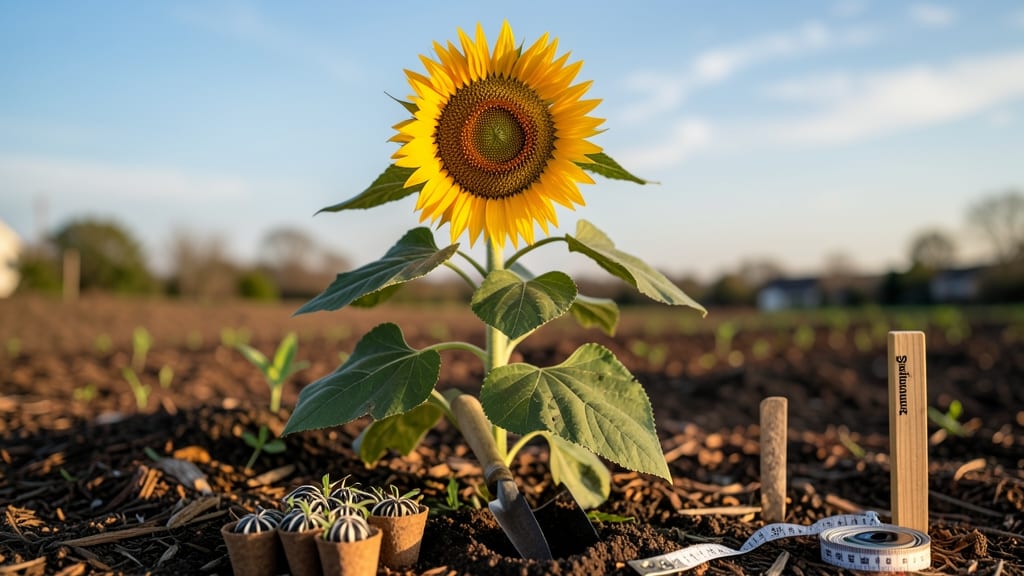
Planting sunflowers in Michigan between mid-April and mid-June unlocks their full 10-foot potential, but timing is everything.
Michigan gardeners dreaming of towering sunflowers that reach 10 feet or more need precise timing—plant too early and risk frost damage, too late and miss peak growth. The right schedule transforms your garden into a golden summer spectacle.
With USDA zones 5b-6b and frost lingering until mid-May, your best bet is waiting for soil temperatures to hit 50°F—usually late April in southern Michigan and early May in the north.
Below, I’ll walk you through the exact window for direct sowing, how to prep soil for maximum height, and which varieties thrive in Michigan’s short but sunny summers.
Best planting times for sunflowers in Michigan’s USDA Zones 5-6
Timing is everything when growing 10-foot sunflowers in Michigan’s USDA Zones 5-6. The difference between a 6-foot and 14-foot stalk often comes down to planting at the right moment—when soil warms to 50°F+ and frost risk fades.
Northern Michigan’s last frost typically hits May 15-20, while southern regions see it April 25-May 10. Plant too early, and seedlings may succumb to late frosts; too late, and you’ll miss peak summer growth.
Michigan’s short growing season demands precision. Sunflowers need 60-120 days to mature, so aim for late April to mid-June plantings. For tallest stalks (10+ feet), prioritize early May sowing—this gives plants the longest frost-free window (160 days) to reach their full height potential.
Varieties like ‘Russian Giant’ thrive with this schedule, while ‘Autumn Beauty’ can handle slightly later plantings.
Here’s the critical timeline for Michigan gardeners, broken down by region and method:
| Region | Last Frost Date | Ideal Planting Window | Soil Temp Requirement | Method |
|---|---|---|---|---|
| Northern MI (Zone 5) | May 15-20 | Late April–May 10 | 50°F+ | Direct sow after frost |
| Southern MI (Zone 6) | April 25–May 10 | Mid-April–May 15 | 50°F+ | Direct sow or transplant |
| Both Regions | N/A | Late June (for late varieties) | 55°F+ | Direct sow only |
🌱 Key: Adjust dates 1-2 weeks earlier for southern MI, later for northern.
For direct sowing, wait until soil reaches 50°F—use a soil thermometer to confirm. Plant seeds 1 inch deep, 6 inches apart, and thin to 18-24 inches for giant varieties.
If transplanting, start seeds indoors 4-6 weeks before your last frost date, then harden off seedlings for 7-10 days before moving them outdoors. Transplants should be 3-4 inches tall with 2-3 true leaves.
Michigan’s short summers mean every day counts. Aim to plant ‘Russian Giant’ or ‘Mammoth’ by May 1 in Zone 5 and April 15 in Zone 6 for maximum height. These varieties need 100+ frost-free days to reach their 10-14 foot potential.
If you miss the spring window, try a late June planting with fast-maturing varieties like ‘Autumn Beauty’, which tolerates cooler soils and still hits 8-10 feet.
Protect young seedlings from late frosts with row covers or cloche tunnels if temperatures dip below 40°F after planting. In northern Michigan, extend the season by choosing early-maturing varieties (60-70 days to bloom) or using black plastic mulch to warm soil faster.
Southern Michigan gardeners can push the envelope with succession plantings every 2 weeks through early June for continuous blooms.
Soil preparation is just as critical as timing. Amend your garden beds with compost to improve drainage—sunflowers hate soggy roots. Work in a balanced fertilizer (5-10-10) at planting, then side-dress with more nitrogen when plants hit 12 inches tall.
Avoid over-fertilizing, which can lead to weak stems and top-heavy plants prone to snapping in Michigan’s windy summers.
Water deeply once a week during dry spells, focusing on the root zone. Sunflowers are drought-tolerant once established, but consistent moisture in their first 4-6 weeks ensures strong root development.
Mulch around plants with straw or grass clippings to retain moisture and suppress weeds—critical for tall varieties that shade out competitors. In Zone 5, mulch also
How to extend sunflower growing season in Michigan’s short summers
Michigan’s short growing season can challenge sunflower lovers, but with the right strategies, you can coax those 10-foot stalks to thrive. The key lies in succession planting, cold-hardy varieties, and smart soil prep to protect young plants from late frosts while maximizing height potential.
Sunflowers love warmth, but Michigan’s USDA Zones 5-6 demand careful timing. By extending your growing window through early starts and late varieties, you can enjoy sunflowers from June through October, even in northern regions where summers feel fleeting.
- Start seeds indoors 4-6 weeks before last frost (mid-April). Use heat mats to speed germination in cool soils.
- Direct sow cold-hardy varieties like ‘Autumn Beauty’ or ‘Russian Giant’ when soil reaches 50°F (early May in most areas).
- Plant succession batches every 2 weeks from May to early July for continuous blooms.
- Use black plastic mulch to warm soil and protect seedlings from late frosts (up to 28°F).
- Pair sunflowers with bush beans or marigolds to deter pests and improve growth.
For tallest stalks, focus on soil preparation first. Sunflowers thrive in well-draining soil with a pH of 6.0-7.5. Amend heavy clay with compost or sand to improve drainage, and mix in a balanced fertilizer (5-10-10) at planting time.
Companion planting is another game-changer. Bush beans fix nitrogen in the soil, while marigolds repel pests like sunflower moths. Avoid planting near potatoes, as they compete for nutrients and attract similar pests.
To shield seedlings from late frosts, use row covers or cloche tunnels until soil warms consistently. Once established, sunflowers are surprisingly frost-tolerant, but young plants need protection. Choose late-blooming varieties like ‘Mammoth’ to extend your harvest into September or October.
Water deeply once a week (500ml per plant) to encourage strong root growth, and always water at soil level to prevent fungal diseases. With these strategies, you’ll turn Michigan’s short summers into a golden sunflower extravaganza that lasts all season. 🌻