
Flowers
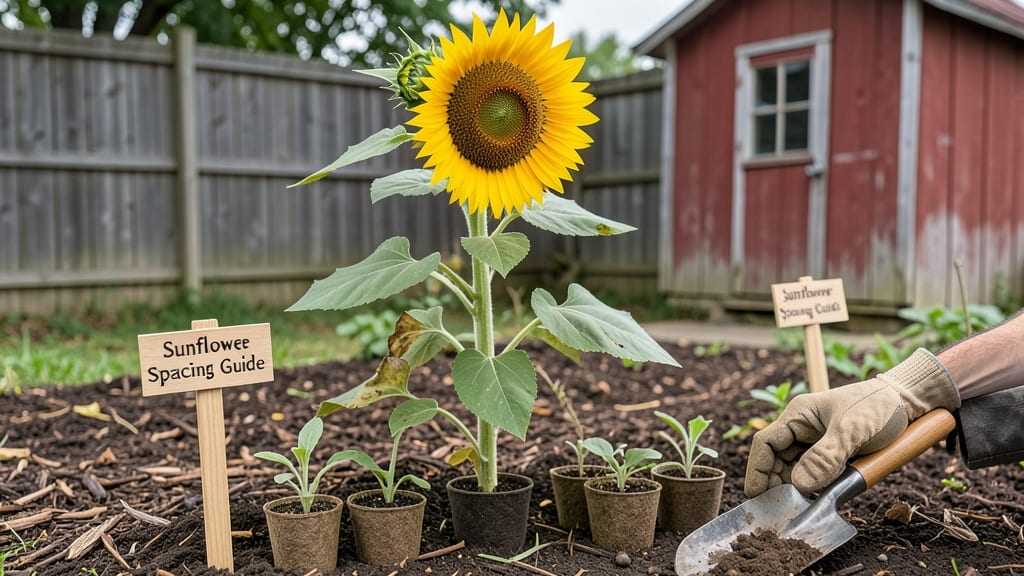
Planting sunflowers in Pennsylvania at the right time ensures towering blooms reaching 12 feet or more, but timing is everything.
Picture this: you’ve prepped the soil, chosen your favorite 🌻 variety, and the seeds are ready to go—only to watch frost nip them or heat bolt them before they fully mature. That’s why knowing the exact window matters, especially in zones 5b-7a where last frosts linger into mid-April.
Here’s the secret: direct-sow sunflowers after your last frost, ideally between mid-April and early June, when soil temps hit 55°F. But there’s more to it than dates—soil prep, spacing, and even variety choice can make or break your harvest.
In this guide, I’ll break down the precise timeline for Pennsylvania’s zones, share pro tips to extend your blooming season, and reveal the three mistakes that stunt growth. Let’s get those sunflowers thriving!
Best sunflower planting dates in Pennsylvania by USDA Zone (5-7)
Pennsylvania’s USDA Zones 5-7 offer perfect conditions for sunflowers, but the last frost date varies dramatically across regions. In Zone 5b (e.g., Pittsburgh), gardeners typically see frost-free dates around May 10-15, while Zone 7a (e.g., Philadelphia) warms up by April 15-30.
These differences mean your planting window shifts by 3-4 weeks depending on location.
Sunflowers are cold-tolerant seedlings but need soil temperatures above 55°F for reliable germination. In cooler zones like Zone 5, wait until mid-May to avoid frost damage, while Zone 6-7 gardeners can start as early as late April.
Always check your local frost-free date—planting too soon risks seedling death from late frosts.
Direct sowing is the best method for sunflowers, as they hate transplanting. Start seeds 1 inch deep in well-draining soil after the last frost. For early blooms, sow a few seeds indoors 4-6 weeks before your last frost date, but transplant carefully to avoid root shock.
Here’s your Pennsylvania sunflower planting timeline by zone, including soil temperature thresholds and frost-free dates:
For Zone 5 gardeners, consider cold-hardy varieties like ‘Autumn Beauty’ or ‘Moulin Rouge’—they tolerate cooler soils better than standard types. In Zone 7, you can even try a late summer planting (August) for fall blooms, though these may not reach full height.
Sunflowers thrive in full sun (6+ hours daily), but Pennsylvania’s humid summers require well-draining soil. Amend clay-heavy areas with compost or sand to prevent waterlogging. A south-facing garden bed gets the most sunlight, but even west-facing spots work if they receive 6 hours of afternoon sun.
After planting, maintain 1-2 inches of water weekly until seedlings emerge. Once established, sunflowers are drought-tolerant, but consistent moisture prevents bolting (premature flowering). Mulch around the base to retain moisture and suppress weeds—critical in Pennsylvania’s competitive garden beds.
Monitor for sunflower moths and squirrels, which love fresh seeds. Use row covers for young plants or plant near marigolds to deter pests naturally. In Zone 6-7, you can even try succession planting every 2 weeks for continuous blooms through October.
For tallest blooms, choose ‘Russian Giant’ or ‘Mammoth’ varieties—these need 18-24 inches of space between plants. Stake 10+ foot varieties early to prevent toppling in Pennsylvania’s summer winds.
Harvest seeds when the back of the head turns brown and petals droop—this usually occurs in late September to October.
How to extend sunflower season in Pennsylvania for longer blooms
Pennsylvania’s short growing season can limit sunflower blooms to just a few weeks, but with the right strategies, you can stretch those golden faces from July to October. The key lies in succession planting, selecting the right varieties, and understanding how temperature fluctuations affect growth.
By combining early cold-hardy varieties with late-season heat-tolerant types, you’ll create a continuous display of towering Helianthus annuus in your garden.
Start by choosing varieties that align with Pennsylvania’s USDA Zones 5-7. Some cultivars mature in just 50-60 days, while others take up to 120 days. The trick is to stagger plantings so that as one batch finishes blooming, another is just beginning.
This approach ensures your garden stays vibrant long after most neighbors’ sunflowers have faded. For example, planting 'Autumn Beauty' in early June will bloom when earlier varieties like 'Moulin Rouge' are already fading.
Here’s how to maximize your sunflower season with a two-phase planting strategy:
| Planting Strategy | Best Varieties | Days to Maturity | Planting Window | Bloom Time |
|---|---|---|---|---|
| Early Cold-Hardy | 'Teddy Bear', 'Moulin Rouge' | 50-60 days | Mid-April to May 1 | June to July |
| Mid-Season Classic | 'Russian Giant', 'ProCut' | 70-90 days | May 15 to June 1 | July to August |
| Late Heat-Tolerant | 'Autumn Beauty', 'Italian White' | 90-120 days | June 1 to July 1 | August to October |
For extended blooms, focus on 'Autumn Beauty'—a late-season variety that thrives in Pennsylvania’s heat and often continues flowering until the first frost. Its 120-day maturity makes it ideal for late plantings, while its drought tolerance ensures it won’t wilt in summer’s dry spells.
Pair it with 'Teddy Bear' for early color, and you’ll have sunflowers from June through October. Just be sure to space them properly—these giants need 12-24 inches between plants to avoid shading each other.
Another pro tip: use black plastic mulch to warm the soil faster in early plantings. This method can shave 10-14 days off germination time, giving your sunflowers a head start before Pennsylvania’s unpredictable spring frosts.
For late plantings, opt for container growing—sunflowers in pots can be moved to cooler spots if summer heat becomes oppressive. This flexibility lets you adjust to microclimates and extend the season even in urban areas with limited space.
Don’t forget to save seeds from your best-performing plants! Sunflower seeds retain viability for years, so you can replant the same varieties annually without buying new ones. Store them in a cool, dry place and label them by variety and planting date.
This way, you’ll always have access to your favorite long-blooming cultivars and can fine-tune your planting schedule each year based on your garden’s performance.
With these strategies, your Pennsylvania garden can become a sunflower haven that stays in bloom long after most neighbors’ gardens have gone quiet.
Just remember: the secret to success is diversity in timing, variety selection, and a little extra care during the critical early and late stages of the season. Happy gardening! 🌻