
Flowers
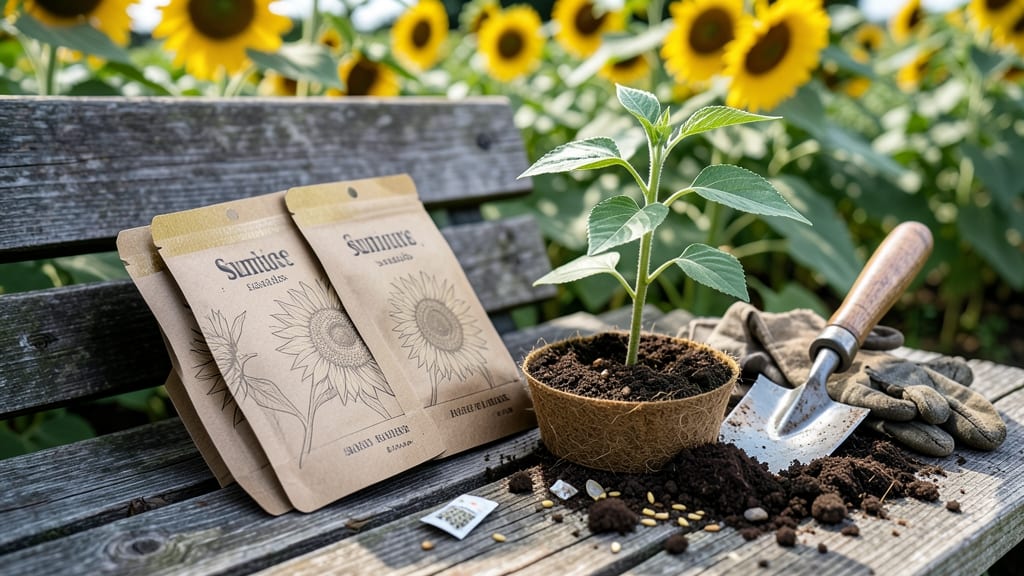
Planting sunflowers in Tennessee between mid-April and mid-May ensures they’ll reach their towering heights before summer heat arrives.
Sunflowers aren’t just beautiful—they’re Tennessee’s fast-growing, pollinator-friendly superstars. But timing your planting wrong can mean wilting before they even bloom. Here’s the exact window for planting sunflowers in Tennessee’s climate zones to guarantee towering stems and vibrant blooms by summer’s end.
In USDA Zones 6a-7b, the last frost typically hits mid-April, which is your cue to start. East Tennessee’s cooler valleys may need a few extra weeks, while Middle and West Tennessee can often plant earlier.
Whether you’re growing giant varieties or compact types, the key is beating the heat and avoiding late frosts.
Below, I’ll break down the best months by region, soil prep tips, and even how to extend your season for fast blooms all summer long.
Tennessee planting zones & best months for sunflower success
Tennessee spans USDA Hardiness Zones 6b through 8a, creating a diverse climate where sunflowers thrive. The last frost dates range from early April in West Tennessee to mid-May in the cooler Appalachian valleys, while first frosts arrive as early as mid-October in higher elevations.
This means your planting window must adapt—whether you're in Nashville’s urban heat or the Great Smoky Mountains’ cooler microclimates.
Sunflowers are warm-season annuals that love heat, so planting too early risks frost damage. However, late plantings can still yield blooms if you choose fast-maturing varieties. The key is aligning your timing with soil temperatures (ideal: 60°F+) and local frost patterns.
Let’s break down the exact months for each Tennessee zone to maximize your sunflower’s potential.
🌱 PRO TIP: Use a soil thermometer to confirm 60°F+ soil temps before planting—this is more critical than air temperature alone.
| USDA Zone | Last Frost Date | Best Planting Month | Frost-Free Days | Heat Tolerance Notes |
|---|---|---|---|---|
| 6b (East TN) | Mid-May | Late May (or early June for late varieties) | 180-200 days | Shorter season; choose 60-day varieties like 'Teddy Bear' |
| 7a (Middle TN) | Early April | April 15-May 15 | 200-220 days | Moderate heat; ideal for standard varieties (8-12 ft) |
| 7b (Nashville) | Late March | April 1-May 10 | 220-240 days | Urban heat islands accelerate growth; succession plant every 2 weeks |
| 8a (West TN) | Early March | March 15-April 30 | 240+ days | Longest season; perfect for giant varieties like 'Mammoth' |
In Zone 6b (East Tennessee), where cooler valleys dominate, wait until late May to plant. The shorter frost-free season means you’ll need fast-maturing varieties (60-70 days to bloom). For example, 'Teddy Bear' (2-3 ft tall) is perfect for these areas and blooms in just 50 days.
Meanwhile, Nashville’s Zone 7b offers a longer window, but urban heat can stress seedlings. Start seeds indoors in late March or direct-sow after April 1. The city’s microclimate often means 2-3 weeks earlier planting than rural areas just 30 miles away.
West Tennessee’s Zone 8a is ideal for giant sunflowers like 'Mammoth Russian' (12-14 ft tall). Plant as early as mid-March for a summer-long display. However, avoid planting before soil warms to 60°F—cold soil delays germination and invites rot.
For succession planting, make a second sowing in early June across all zones. This ensures continuous blooms through September, when late-summer varieties like 'Autumn Beauty' shine. Just be mindful of first frost dates—West Tennessee’s late October frosts may cut short late plantings in Zone 6b.
🌡️ HEAT TIP: In Zone 8a, provide afternoon shade for seedlings to prevent heat stress until they establish roots.
One common mistake is planting sunflowers too early in cooler zones. Seedlings can rot in cold, wet soil, while mature plants may bolt too quickly in sudden heat. Use black plastic mulch to warm soil faster in Zone 6b, or choose cold-tolerant varieties like 'Autumn Beauty' for extended seasons.
Finally, adjust for elevation changes. A 1,000-foot elevation gain can shift your frost date by 2-3 weeks
Sunflower varieties & their ideal planting times in Tennessee
Tennessee’s sunflower growers have three main types to choose from: giant varieties for dramatic heights, dwarf types for containers, and oilseed varieties for culinary use. Each thrives in different planting windows to avoid summer heat stress or late frosts.
The key is matching your variety to Tennessee’s 60-90 day growing season—from East Tennessee’s cooler valleys to Middle Tennessee’s urban heat islands.
For ‘Moulin Rouge’, a 60-day dwarf variety, I plant seeds in late April to early May—just after the last frost. This gives it time to bloom by July before summer’s peak heat arrives.
In West Tennessee’s hotter zones, I might even start seeds indoors in mid-March for an earlier display. The 12-inch height makes it perfect for pollinator gardens and cut flowers.
Giant varieties like ‘Russian Giant’ (120+ days) need early April planting in Zone 7b areas. These towering beauties reach 12-14 feet but require sturdy soil and deep watering to support their weight. In East Tennessee’s Zone 6a, I wait until mid-April to avoid frost damage to the tender seedlings.
For fall color, I turn to ‘Autumn Beauty’, a 5-6 foot variety that thrives when planted in late June or July. This timing avoids summer’s worst heat while still producing vibrant blooms through October. The secret is mulching to retain moisture during Tennessee’s hot, dry spells.
Oilseed varieties like ‘Sunspot’ (3-5 feet tall) need mid-April to May planting for July harvests. These thrive in slightly acidic soil (pH 6.0-6.8) and benefit from a light fertilizer application at planting. In my garden, I plant them near bee-friendly borders to maximize pollination.
Regardless of variety, I always test soil pH and add compost before planting. For giant varieties, I mix in aged manure to ensure they get the nutrients needed for their massive growth. In containers, I use well-draining potting mix with added perlite for dwarf varieties like ‘Teddy Bear.’