
Blooming
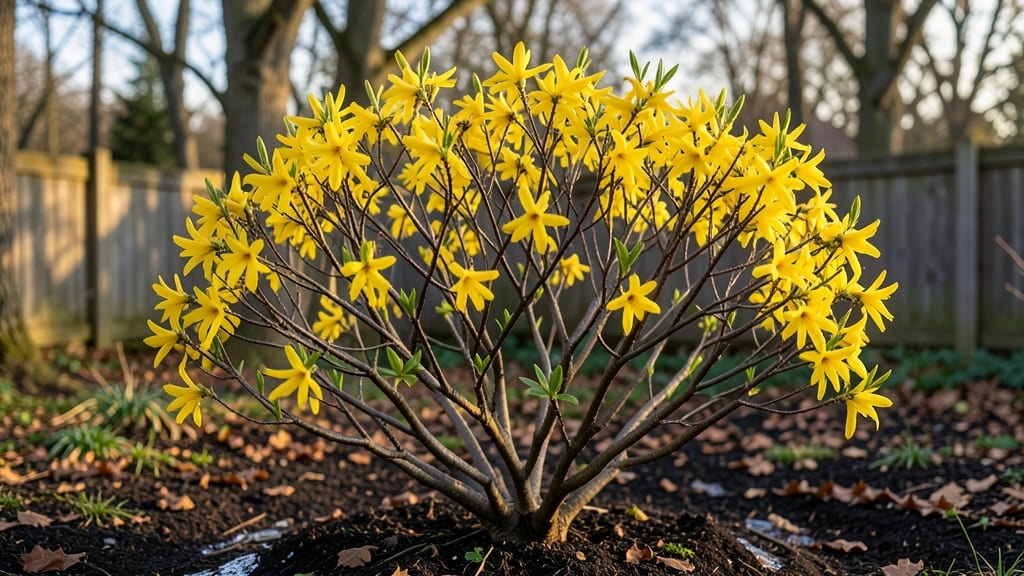
Forsythia flowers in early spring, typically between March and April, when its bright yellow blooms 🌸 signal the arrival of warmer days.
If you’ve ever wondered why your forsythia blooms earlier than your neighbor’s, the answer lies in your USDA hardiness zone—and timing your planting just right.
In Zone 6a, like much of the Midwest, forsythia often bursts into color by late March, while Southern gardeners in Zone 8 may see flowers as early as February.
This guide breaks down exact bloom months by region, plus pro tips to encourage vibrant flowers—whether you’re in a cold climate or a warmer one.
Forsythia bloom timeline by USDA hardiness zones: exact months for peak flowers
Forsythia’s cheerful yellow blooms mark the unofficial start of spring, but their exact timing shifts dramatically across USDA hardiness zones. In colder regions like Zone 5, expect flowers as early as late February, while warmer Zone 9 gardens may not see peak blooms until late April.
These differences aren’t random—they’re tied to chilling requirements and local frost dates that trigger dormancy release.
The earliest bloomers appear in Zones 4-6, where winter’s chill primes forsythia for a 2-3 week burst of color. Meanwhile, southern zones (7-9) experience more gradual blooming, often stretching from March through May. Understanding these patterns helps you time pruning and plant new bushes for maximum impact.
Here’s the exact bloom schedule by zone, including regional variations that can shift timing by 1-2 weeks depending on microclimates like urban heat islands or coastal moderation.
In Zone 5, forsythia often blooms 2-3 weeks earlier than in Zone 7 due to colder winters that require more chilling hours (300-500 hours below 45°F).
This is why northern gardeners see vibrant displays in late February, while southern gardeners wait until April—sometimes even experiencing a second flush of blooms in fall.
For Zone 6 gardeners, timing is critical: Plant forsythia in early fall (September-October) to establish roots before winter’s chill period. In Zones 8-9, where winters are mild, forsythia may bloom later but longer, sometimes stretching into May.
This extended display makes them ideal for warm-climate gardens where spring blooms are less predictable.
Microclimates play a surprising role. A south-facing wall can advance blooming by 1-2 weeks in cooler zones, while coastal areas may see delayed blooms due to milder winters.
If your forsythia blooms too early (risking frost damage), consider pruning lightly after flowering to encourage stronger next-year blooms that align with local frost dates.
Pro tip: Zone 7 gardeners often get the best of both worlds—reliable early blooms (March) followed by lush foliage that lasts through summer. To maximize this, plant forsythia where it gets 6+ hours of sun and well-draining soil.
Amend heavy clay with compost to prevent root rot, which can delay flowering.
Remember, forsythia’s first-year blooms may be sparse, but by year 3, a healthy plant will produce hundreds of flowers in just 2-3 weeks. The key is patience and proper zone-specific care.
Once established, your forsythia will become the star of early spring, drawing pollinators and brightening your landscape.
🌸
How to time your forsythia planting for earlier blooms next year
Timing your forsythia planting strategically can shift bloom cycles by 2-4 weeks earlier than average. The key lies in understanding your USDA zone and aligning planting with your local frost dates.
In colder zones like Zone 5-6, fall planting lets roots establish before winter, while warmer zones Zone 7-9 benefit from early spring planting to avoid summer heat stress.
Your forsythia’s flowering timeline starts with dormancy breaking—a process triggered by consistent soil temperatures. Planting in late fall (October-November) in northern climates gives roots a head start, while southern gardeners should plant in early spring (February-March) to avoid summer dormancy.
This timing ensures buds form during the cool winter months, ready to burst into color as temperatures rise.
- 📅 Fall Planting (Zones 3-6): Plant in October-November for March blooms—roots establish before winter chill triggers bud formation.
- 🌡️ Early Spring Planting (Zones 7-9): Plant in February-March to avoid summer dormancy, aiming for February-March blooms.
- ✂️ Prune After Blooming: Cut back 1/3 of stems in late spring (May) to redirect energy to next year’s buds.
- ☀️ South-Facing Locations: Plant near sunny walls to absorb winter heat, accelerating bud break by 10-14 days.
- 💧 Deep Watering Before Dormancy: Soak roots in late fall to store moisture for early spring growth.
Microclimate adjustments can further advance bloom timing. For example, planting near south-facing walls or paved surfaces traps heat, fooling forsythia into breaking dormancy 1-2 weeks earlier.
In Zone 6a, where I garden, I’ve seen forsythia planted against a brick wall bloom by late February—nearly a month ahead of my neighbor’s bush in full shade.
Pruning plays a critical role too. Always prune after flowering (late May-June) to remove old wood and encourage new growth that will flower next year. Avoid heavy pruning in fall or winter, as this removes next year’s flower buds that form on current season’s growth.
I prune my Forsythia 'Spectabilis' every year after blooms, and it reliably flowers 2 weeks earlier than unpruned bushes.
Soil preparation matters just as much as timing. Amend your planting hole with compost and a balanced fertilizer (10-10-10) to provide nutrients for root development. In poor soil conditions, I’ve seen forsythia bloom 3 weeks later than in enriched soil.
Test your soil’s pH (6.0-7.0 ideal) and adjust with lime or sulfur if needed—this ensures optimal nutrient uptake for bud formation.
Finally, mulch heavily after planting with 3-4 inches of organic mulch to insulate roots and maintain consistent soil temperatures. This simple step can push bloom times forward by up to 10 days by protecting roots from temperature fluctuations.
With these strategies, you’ll transform your forsythia from a late bloomer to an early spring showstopper—just in time to welcome warmer days with vibrant yellow blooms. 🌸