
Flowers
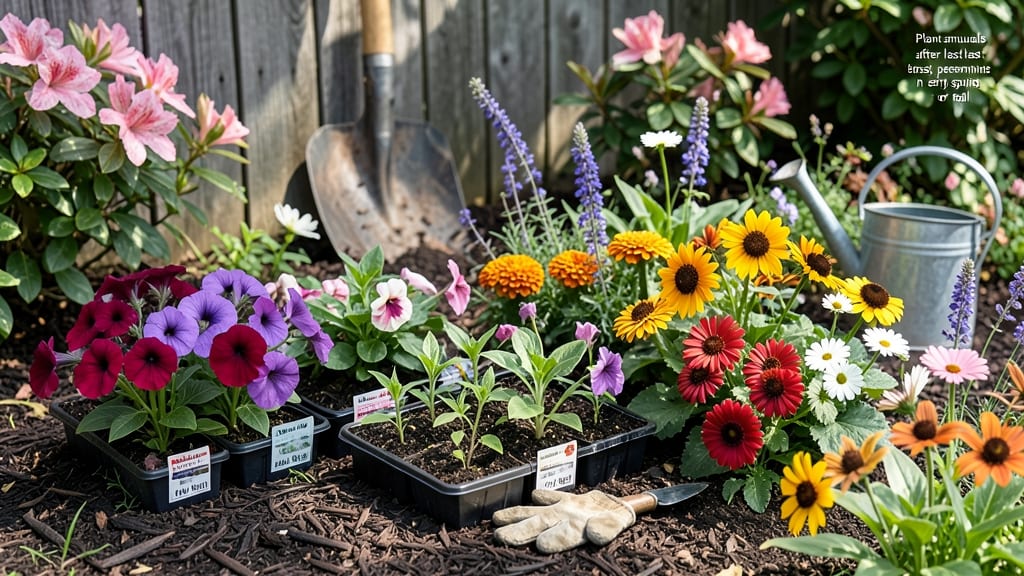
Planting flowers in Georgia at the right time ensures your garden bursts into color from spring through fall—because a missed window means wilting blooms or stunted growth before they even start.
Georgia’s warm climate and diverse USDA hardiness zones (7a–8b) mean your flower planting timeline can make or break a stunning garden—timing just right ensures vibrant blooms from spring to fall.
Whether you’re in the Piedmont’s rolling hills or the Coastal Plain’s humid heat, knowing when to plant—like azaleas in early spring or marigolds after the last frost—is the difference between a showstopping garden and a struggle.
Below, I break down the exact months for annuals, perennials, and bulbs by zone, plus pro tips to stretch your blooming season from March to November—no guesswork, just results.
Georgia flower planting calendar by USDA Zone (7a–8b)
Georgia’s diverse climate zones (7a–8b) create a year-round gardening opportunity for flowers, but timing is everything. Whether you're planting spring bulbs or heat-loving annuals, knowing your last frost date (typically mid-March) and soil temperature (aim for 60°F+) ensures success.
In Zone 7a, cooler temps linger longer, while Zone 8b can handle tropical bloomers like hibiscus year-round.
For annuals like marigolds and perennials like black-eyed Susans, start seeds indoors 6-8 weeks before your last frost date. Bulbs like tulips need planting 6-8 weeks before the first hard frost in fall (usually mid-November).
Georgia’s humid summers mean shade-loving flowers like impatiens thrive, while full-sun varieties (e.g., zinnias) need afternoon shade in Zone 8b to avoid wilting.
🌱
In Zone 7a, where frosts linger until mid-April, prioritize cool-season flowers like pansies and snapdragons for early spring color. Zone 8b gardeners can push the envelope with tropical annuals like hibiscus and plumeria, but mulch heavily to protect roots from summer heat stress.
For perennials, divide clumps in early spring (March) or fall (October) to rejuvenate growth.
🌿
Soil preparation is key—amend clay-heavy soils (common in Piedmont) with compost or sand for better drainage, while sandy soils (Coastal GA) benefit from organic matter to retain moisture. Test your soil’s pH (aim for 6.0–7.0 for most flowers) and adjust with lime (to raise pH) or sulfur
Best flowers to plant in Georgia by season (and when to start seeds)
Georgia’s long growing season and varied microclimates let you enjoy year-round blooms, but timing is everything. Planting too early risks frost damage, while late starts mean missed summer color.
The key? Match each flower’s cold tolerance and heat preferences to Georgia’s three distinct seasons: spring (March–May), summer (June–August), and fall (September–November).
For spring bloomers like azaleas and tulips, start seeds indoors 8–10 weeks before last frost (mid-March in most of GA). Summer flowers such as zinnias and sunflowers thrive when planted after Memorial Day, while fall favorites like chrysanthemums need late summer seeding for autumn color.
Let’s break down the best flowers for each season—and when to start seeds indoors to maximize your garden’s potential.
- 🌸 Spring (March–May): Plant azaleas, tulips, and pansies outdoors after last frost (mid-March). Start seedlings indoors in February for early blooms.
- ☀️ Summer (June–August): Sow zinnias, sunflowers, and marigolds directly after Memorial Day (May 30). For heat-tolerant varieties, start seeds indoors in April.
- 🍂 Fall (September–November): Plant chrysanthemums, asters, and snapdragons outdoors in late summer (August). Start seeds indoors in July for fall blooms.
- 🌱 Year-Round: Perennials like lavender and salvia can be planted in early spring or fall for multi-season interest.
Georgia’s Zone 7a–8b climate allows for extended growing seasons, but heat and humidity can stress delicate seedlings. For example, zinnias and sunflowers thrive in summer’s heat, while pansies and violas prefer cooler spring and fall temperatures.
To avoid transplant shock, harden off seedlings by placing them outdoors for 2–3 hours daily starting 1–2 weeks before planting.
Don’t overlook fall planting—it’s the best time to establish perennials like coneflowers and black-eyed Susans. These hardy plants will reward you with bold summer blooms the following year.
For annuals like cosmos, direct-sow seeds in late spring for effortless, self-seeding growth. They tolerate Georgia’s heat and even drought conditions once established.
Pro tip: Use shade cloth in peak summer (July–August) to protect young seedlings from intense afternoon sun. This simple step can double your success rate for heat-sensitive flowers like petunias and geraniums. Pair shade cloth with mulch to retain moisture and regulate soil temperature—critical in Georgia’s humid summers.
For urban gardeners in Atlanta or Savannah, container gardening is a great way to control soil conditions. Choose compact varieties like dwarf zinnias or nasturtiums for pots, and plant them after the last frost for continuous summer color.
With the right timing and care, your Georgia garden can bloom beautifully from spring to frost.