
Planting
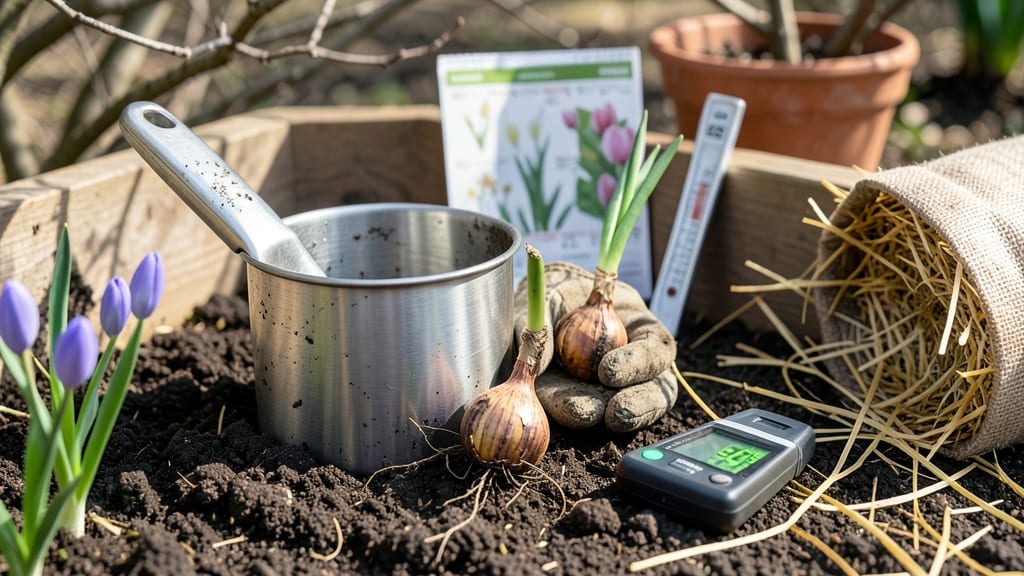
The best time to plant spring flowering bulbs is 6–8 weeks before your first frost—typically between September and November for most of the U.S., depending on your zone. 🌷
Picture this: You’ve spent months dreaming of tulips popping through snow, only to realize your bulbs never got the chance to root properly. That’s the risk when you plant too late—or too early, for that matter.
The key is matching your local frost dates with soil temperatures that encourage root growth, not premature sprouting.
For gardeners in Zone 6a, that window is usually mid-September to mid-October, but it shifts earlier in warmer climates (like Zone 9) or later in colder ones (Zone 3). Even a few weeks off can mean weaker blooms—or no blooms at all.
I’ll walk you through how to pinpoint your exact planting window, plus the soil prep and care tricks that make the difference between a show-stopping spring display and a letdown.
You’ll also learn how to adjust if you miss the fall window, which bulbs are most forgiving, and the one mistake that kills more spring blooms than anything else. Let’s get those bulbs in the ground the right way.
USDA Zone planting calendar: exact months by region for spring flowering bulbs
Planting spring flowering bulbs like tulips, daffodils, and crocuses at the right time ensures vibrant blooms next year. The ideal window is 6-8 weeks before your first frost, but exact months vary by USDA zone.
In colder climates (Zones 3-5), you’ll plant earlier than in warmer areas (Zones 8-10). Let’s break it down by region so you can time it perfectly.
Soil temperature is the real deadline, not just the calendar. Bulbs need 50–60°F soil to root before winter dormancy. In Zones 3–5, this often means planting in September or early October, while Zones 8–10 can wait until November or even December.
Regional microclimates—like coastal areas staying milder longer—also shift these timelines. For example, Pacific Northwest gardeners might plant 2 weeks later than inland areas in the same zone.
Here’s a quick comparison of optimal planting months by zone, including adjustments for early vs. late varieties:
For Zone 3–4 gardeners, crocuses and snowdrops are your earliest bloomers—plant them in September for late winter color. In contrast, tulips and hyacinths prefer slightly cooler soil, so hold off until early October.
Pro tip: Use a soil thermometer to confirm temps before planting. If soil is still above 60°F, wait a week or two.
In Zones 5–6, where winters are moderate but frosty, focus on late September to mid-October. This window works for daffodils, alliums, and fritillaries. If you’re in the Pacific Northwest, aim for early October—cooler ocean air delays soil cooling.
For Deep South gardeners in Zones 7–8, November is your last chance before winter rains arrive. Plant hyacinths and tulips by early November to avoid rot in soggy soil.
Zones 9–10 offer the most flexibility, but don’t wait too long. Plant crocuses in October for early spring blooms, while daffodils can handle December planting. Even in warm climates, bulbs need a cool dormancy period—planting in January risks poor blooming or no flowers at all.
If your winter is mild but wet, opt for raised beds to improve drainage.
Regional tweaks matter more than you’d think. For example, Chicago (Zone 5) gardeners should plant by October 15th, while Denver (Zone 5) can wait until November 1st due to earlier frosts. Similarly, San Francisco (Zone 9) can plant daffodils in December, but Arizona (Zone 9) should
5 Critical factors that determine perfect planting timing (beyond just months)
Planting spring flowering bulbs like tulips or daffodils isn't just about picking a month—it's about understanding soil conditions, frost risks, and bulb biology. Many gardeners focus only on calendar dates, but these 5 overlooked factors can make or break your success.
Let's dig into what truly matters for optimal bulb growth.
First, soil temperature is your secret weapon. Most spring bulbs thrive when soil reaches 50–60°F—this signals dormancy break. Cold soil delays root growth, while warm soil can trigger premature sprouting.
Use a soil thermometer to check before planting. In Zone 6a, this typically falls in October, but timing shifts 2–4 weeks in warmer zones.
Next, frost dates aren't just about avoiding damage—they're about giving bulbs time to establish roots. Plant 6–8 weeks before your first hard frost. In Zone 6a, that's usually mid-September to mid-October, but in Zone 9, you might extend planting until December.
Check your local frost-free date and count backward.
🌱 Numbered Highlights: 5 Critical Factors for Perfect Planting Timing
- Soil Temperature: 50–60°F ideal for root growth; use thermometer to verify
- Frost Dates: Plant 6–8 weeks before first hard frost (count backward from your zone's date)
- Bulb Dormancy: Tulips need 12–16 weeks of cold; daffodils tolerate 8–12 weeks
- Moisture Levels: Well-draining soil prevents rot; water deeply after planting (but avoid soggy soil)
- Container vs. Ground: Containers need extra drainage and may require earlier planting (soil warms faster)
Don't overlook bulb dormancy needs. Tulips require 12–16 weeks of cold to bloom, while daffodils are more flexible with 8–12 weeks. If you live in a warm climate (e.g., Zone 9–10pre-chilling bulbs in the fridge for 8–10 weeks before planting. This mimics winter conditions and ensures blooms.
Moisture levels are another game-changer. Bulbs need well-draining soil to prevent rot, but they also need consistent moisture during root establishment. Water deeply after planting, then reduce watering once frost arrives. In containers, ensure pots have drainage holes—bulbs in pots dry out faster and are more prone to overheating in summer.
Finally, container vs. ground planting changes the equation. Ground-planted bulbs benefit from natural insulation and stable temperatures, while container-grown bulbs may need earlier planting (soil warms faster) and winter mulch for protection.
If using containers, choose large pots (12+ inches deep) and plant bulbs closer together than in-ground (they compete for space).
Before you plant, run through this quick checklist: ☑️ Soil temp: 50–60°F ☑️ 6–8 weeks until frost ☑️ Well-draining soil (amend with compost if needed) ☑️ Proper depth (2–3x bulb height) ☑️ Drainage (holes in containers, raised beds for clay soil) Now you're ready to plant with confidence and watch those spring blooms shine! 🌷