
Flowers
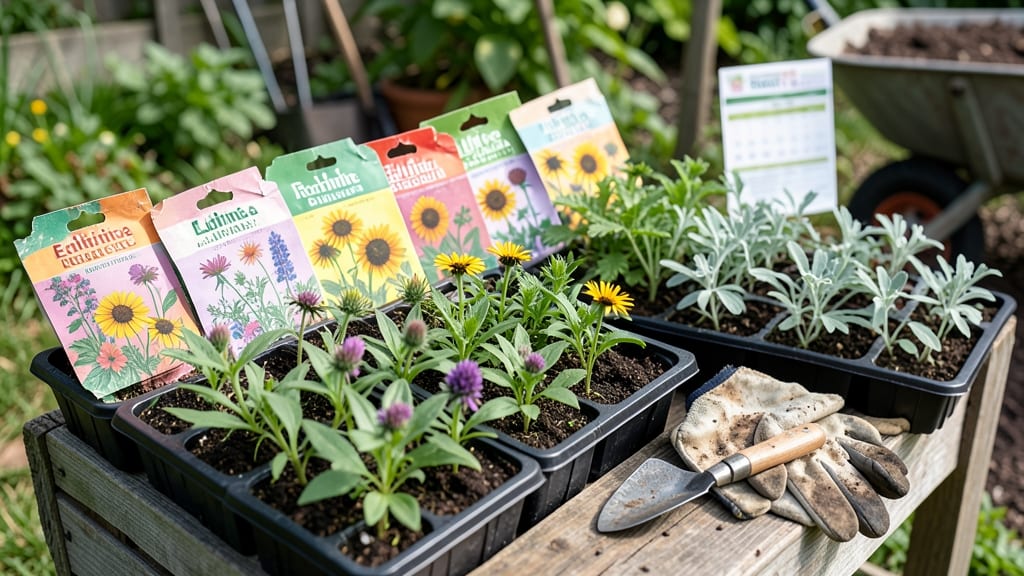
Planting flower seeds in Michigan at the right time means the difference between a vibrant summer garden and a season of disappointment.
Michigan’s unpredictable spring weather can make timing flower seed planting a guessing game—but getting it right means vibrant blooms all season long. Whether you’re sowing 🌸 annuals or hardy perennials, the key is knowing when the soil warms and the last frost has passed.
For most of Michigan’s USDA zones 5b-6b, the ideal window opens in late April to early May, but cooler northern areas may wait until early June. Fall planting for cool-season blooms like pansies starts in September—just in time to beat the first frost.
Below, I’ll break down the exact planting dates by zone, how to prep your soil, and whether to start seeds indoors or sow directly. You’ll leave here with a clear timeline and a checklist to ensure your flowers thrive from the first bud to the last bloom.
Michigan flower seed planting dates by hardiness Zone (5 & 6)
Michigan’s USDA hardiness zones 5 and 6 experience last frost dates ranging from mid-April to early May, making timing critical for flower seed success. Zone 5b gardeners in northern Michigan (like Traverse City) face earlier frosts, while Zone 6b areas (like Detroit) enjoy slightly longer growing seasons. Annuals like marigolds and perennials like coneflowers thrive when planted after these dates, but cold-hardy varieties can start earlier.
To avoid frost damage, I always check the average last frost date for my specific county—typically April 15-30 for most of Michigan. Soil temperature should also reach at least 60°F before sowing seeds directly outdoors.
For a head start, I begin indoor seed starting in early March for heat-loving flowers like petunias and geraniums.
Here’s my zone-specific planting timeline for Michigan’s most popular flowers, including frost-free date calculations and early vs. late-season varieties:
| Zone & Region | Last Frost Date | Early Spring Planting (Indoors) | Outdoor Planting Window | Fall Planting Window | Cold-Hardy Varieties |
|---|---|---|---|---|---|
| Zone 5b (Northern MI: Traverse City, Marquette) | May 1-15 | Early March (6-8 weeks before last frost) | May 15-June 10 | September 1-15 | Sweet Alyssum, Snapdragons, Pansies |
| Zone 6a (Central MI: Lansing, Grand Rapids) | April 20-May 5 | Late February (8 weeks before last frost) | April 25-May 20 | September 15-30 | Calendula, Stock, Violas |
| Zone 6b (Southern MI: Detroit, Toledo) | April 10-25 | Mid-February (8-10 weeks before last frost) | April 15-May 10 | October 1-15 | Cosmos, Zinnias, Black-Eyed Susans |
For annual flowers, I prioritize direct sowing after the last frost—typically late April to early May in most of Michigan. Heat-loving varieties like sunflowers and marigolds can handle direct planting as early as May 10 in Zone 6b, but I wait until May 20 in Zone 5b to be safe. Perennials like bee balm and black-eyed Susans can often be planted in early spring (March-April) or fall (September-October) for better root establishment.
My fall planting strategy focuses on cool-season flowers that thrive in Michigan’s September-October window. Pansies, snapdragons, and calendula handle light frosts and even bloom into early winter.
I aim to plant these 6-8 weeks before the first frost—typically by September 15 in northern Michigan and October 1 in southern areas.
For late-season bloomers, I extend the garden’s life by choosing heat-tolerant varieties like cosmos and zinnias. These can be sown directly in the soil as late as June 15 and still produce vibrant blooms through September.
I also use row covers to protect tender seedlings from unexpected late frosts, especially in Zone 5b where May frosts aren’t uncommon.
Pro tip: Use a soil thermometer to confirm 60°F+ soil temperatures before planting—cold soil can delay germination by weeks.
I also keep a garden journal to track local frost dates and adjust my schedule yearly. Michigan’s microclimates mean your neighbor’s timing might not match yours, so local observations are key!
Finally, don’t overlook fall-planted bulbs like tulips and daffodils,
How to adjust planting timing for Michigan’s unpredictable weather
Michigan’s late frosts and early heat waves can throw off even the most experienced gardener’s timing. But with a few smart adjustments, you can extend your growing season and ensure those vibrant blooms appear right on schedule.
The key is flexibility—knowing when to push boundaries and when to play it safe with your flower seeds.
First, monitor frost dates closely, but don’t wait for the last official frost to plant.
In Zone 5b-6b, late April is your target window for most flowers, but if you’re in northern Michigan, you might need to wait until early May. Heat-tolerant varieties like zinnias or marigolds can handle a little warmth, while cool-season flowers like pansies thrive when planted earlier.
- 1. Start Indoors for early blooms: Begin heat-sensitive seeds (like snapdragons) indoors 6-8 weeks before the last frost. Use grow lights for 12-16 hours/day to speed up germination.
- 2. Use Row Covers to extend spring: Cover seedlings with floating row covers to protect them from late frosts (down to 20°F). Remove during the day for warmth.
- 3. Choose Heat-Tolerant Varieties: Opt for drought-resistant flowers like lantana or portulaca if early heat arrives. These thrive in 90°F+ temperatures and low moisture.
- 4. Plant Fall Bloomers Early: For fall color, sow cosmos or black-eyed Susans in late July. They’ll bloom until frost and self-seed for next year.
- 5. Adjust Watering for unpredictable weather: Use drip irrigation to maintain consistent moisture during heat waves. Mulch with straw to retain soil moisture.
If a late frost threatens, don’t panic—row covers are your best friend. A simple lightweight fabric cover can protect seedlings down to 20°F, giving you an extra 2-3 weeks of planting time. For heat waves, prioritize shade-tolerant flowers like impatiens or begonias in afternoon shade.
Another trick? Succession planting. Instead of sowing all your flower seeds at once, stagger plantings every 2 weeks. This ensures continuous blooms from early summer to frost. For example, plant marigolds in early May, then again in mid-June for a second flush of blooms.
For fall planting, focus on cool-season annuals like pansies or snapdragons. These can handle light frosts and often rebloom in spring if planted in September. Just avoid planting too late—seeds need 6-8 weeks to establish before winter sets in.
Remember, Michigan’s weather is unpredictable, but with these strategies, you’ll beat the odds and enjoy a longer, more vibrant blooming season. Start with one or two adjustments, track what works, and soon you’ll have a customized planting schedule that works for your microclimate. Happy gardening! 🌸