
Flowers
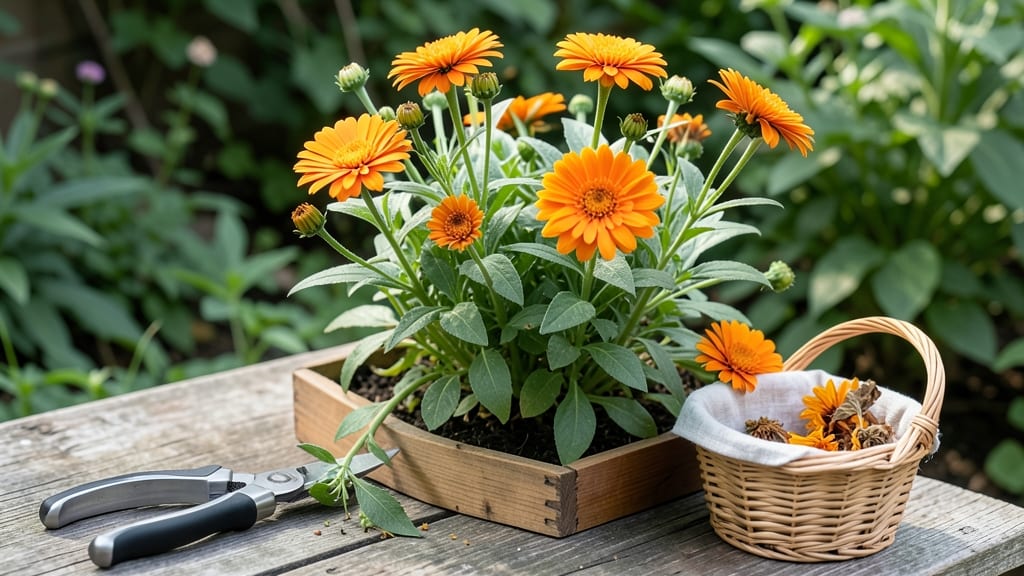
Harvest calendula flowers when their petals shift from bright orange to a deeper gold 🌼 — that subtle color change is your cue for the best flavor, potency, and shelf life.
Picture this: you’ve been watching your calendula plants all season, and now the blooms are wide open, their centers just starting to brown. That’s the perfect moment to snip—too early, and the petals won’t dry properly; too late, and they lose their vibrant hue.
Missing this window means weaker infusions or shorter shelf life for your dried flowers.
Timing matters beyond just color, though. Morning harvests avoid dew, which can encourage mold, while dry conditions help preserve the petals’ integrity. Whether you’re drying them for homemade salves, steeping them into tea, or using them in cooking, getting this right ensures your calendula stays potent and beautiful.
In this guide, I’ll walk you through the exact visual cues to look for, the best times of day to harvest, and how to preserve your flowers for long-term use—so you can enjoy their benefits all year long.

How to identify the perfect calendula flower color for harvesting
Harvesting calendula at the right moment ensures you get the most vibrant petals and maximum potency for your dried flowers. The key is watching for that subtle color shift from bright orange to a deeper gold—this signals peak ripeness.
When you spot this change, combined with other visual cues, you'll know it's time to pick.
Start by examining the petal edges—when they flatten completely and lose their slight curl, that's your first clue. The center of the flower should also begin showing hints of brown, indicating the plant is channeling energy back into the stem.
These visual cues work together to tell you when to harvest calendula flowers for the best results.
Don't rely solely on color, though. The stem firmness matters just as much as the petal hue. A mature stem should feel sturdy when you gently squeeze it, not flimsy or hollow. This firmness ensures your harvested flowers will stay intact during drying and maintain their shape for longer.
Here's a quick visual guide to help you identify the perfect harvest moment at a glance:
The golden hue in calendula petals isn't just visually stunning—it also indicates peak potency. Flowers harvested at this stage contain the highest levels of beneficial compounds like flavonoids and carotenoids, which are why gardeners prize calendula for its medicinal and culinary uses.
Pay attention to the flower's position on the stem too. The lower blooms often mature first, so you might need to harvest them slightly earlier than the upper flowers. This staggered maturity helps you get a continuous harvest throughout the growing season when conditions are right.
For the best results, harvest on a dry morning after any dew has evaporated. This prevents moisture from lingering on the petals, which can lead to mold during drying. The cooler morning temperatures also help preserve the vibrant colors you worked so hard to cultivate.
Remember that variety matters—some calendula types may have slightly different color progressions. For example, 'Pacifica' varieties might hold their golden tones longer than traditional orange types. Always check your specific variety's characteristics for the most accurate harvest timing.
Once you've mastered these visual cues, you'll be able to harvest calendula flowers consistently for drying, cooking, or crafting. The key is patience—waiting for that perfect golden moment ensures your petals will retain their beauty and potency for months to come.
Best time of day and season for harvesting calendula
Harvesting calendula at the right time ensures you get the most vibrant petals packed with beneficial oils and antioxidants. The best time of day is crucial—morning harvests yield the freshest flowers with dew-dried edges, while afternoon picking can lead to wilting before you even dry them.
I always aim for early morning when temperatures are coolest, typically between 6 AM and 9 AM, to preserve moisture and color.
Seasonally, calendula thrives in warm, dry conditions, making late spring through early fall the ideal window. In USDA zones 6a and warmer, I start harvesting in June when flowers first bloom and continue through October before frost.
Avoid harvesting after the first frost, as cold temperatures reduce potency and accelerate wilting. Humidity also plays a role—low humidity days (below 60%) are perfect for harvesting to prevent mold during drying.
| Factor | Optimal Condition | Why It Matters |
|---|---|---|
| Time of Day | Early Morning (6-9 AM) | Prevents wilting; dew evaporates naturally. |
| Season | June-October (before frost) | Peak blooming; high potency and color. |
| Temperature | 60-75°F (15-24°C) | Ideal for drying; avoids heat stress. |
| Humidity | Below 60% | Reduces mold risk during drying process. |
| Weather | Dry, sunny days | Ensures crisp petals; avoids rain damage. |
Temperature also impacts harvest quality. I’ve found that 60-75°F (15-24°C) is the sweet spot for harvesting calendula. Cooler mornings help preserve the petals’ moisture, while afternoon heat can cause them to wilt quickly.
If you’re harvesting in hotter climates, opt for shade-grown calendula or pick in the late afternoon to avoid stressing the plants.
Seasonal variations matter too. In spring, calendula blooms are smaller but more potent, while summer harvests yield larger flowers ideal for drying. I always prioritize harvesting in late summer (August-September) for the most abundant blooms.
Avoid harvesting after mid-October in cooler zones, as frost weakens the plants and reduces oil content in the petals.
Environmental factors like humidity and weather can make or break your harvest. On humid days, I wait until the flowers are fully dry to the touch before harvesting to prevent mold. If rain is forecasted, I harvest 24 hours ahead to ensure the petals stay crisp.
Always use clean, sharp scissors to cut stems at a 45-degree angle, leaving about 2-3 inches of stem for drying.
Pro tip: Harvest calendula flowers every 2-3 days during peak season to encourage continuous blooming. This method maximizes yield and ensures you always have fresh petals for drying or culinary uses. With the right timing, you’ll enjoy vibrant, long-lasting calendula that’s perfect for teas, salves, or decorative arrangements.