
Flowers
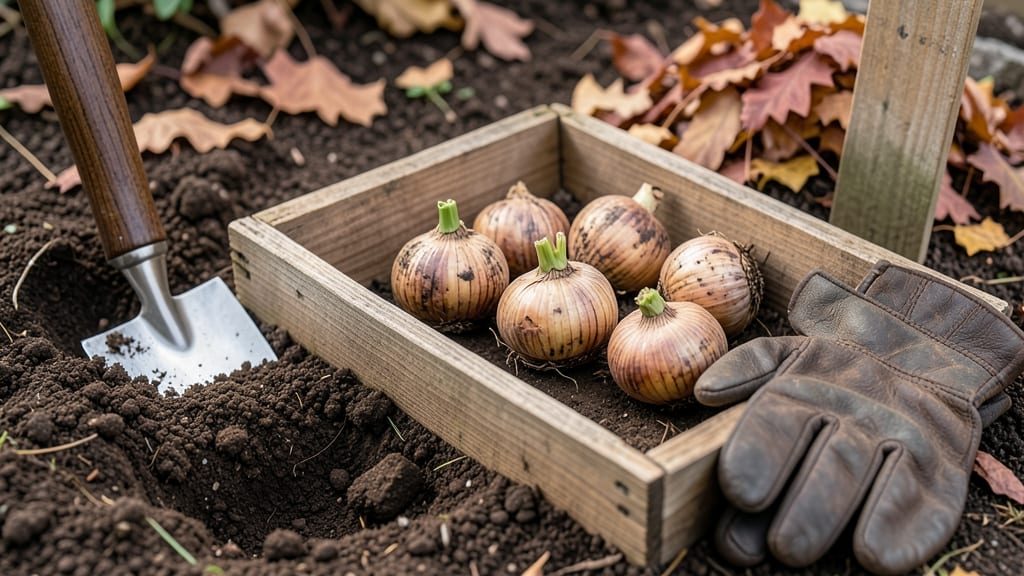
Planting flower bulbs in autumn is the secret to waking up to a garden bursting with 🌷 color next spring — but timing it right means the difference between a showstopper and a bust.
Picture this: You’ve spent all summer dreaming of tulips, daffodils, and hyacinths, only to realize too late that your bulbs never sprouted. That’s the heartbreak of planting too late—or too early, for that matter.
The ideal window is 6-8 weeks before your first frost, but your zone and soil temperature can shift that by weeks.
In USDA Zone 6a, that means getting those bulbs in the ground by mid-October. But in warmer climates, you might have until November, while colder regions need to start as early as September.
Below, I’ll break down the exact timeline for your area, plus how to prep your soil for foolproof blooms.
You’ll also discover the 3 biggest mistakes that kill bulbs before they bloom—and how to avoid them, whether you’re a first-time gardener or a seasoned pro. Ready to set your garden up for a spring spectacle?
Autumn flower bulb planting timeline by USDA hardiness zones
Planting flower bulbs in autumn is your golden ticket to stunning spring blooms, but the perfect timing depends entirely on your USDA hardiness zone. In colder zones like 3-5, you’ll want to plant early to avoid frost, while zones 8-10 offer a more flexible window.
The key is getting bulbs in the ground 6-8 weeks before frost—when soil temps drop to 60°F (15°C) but haven’t frozen yet.
Soil temperature is your best indicator—most bulbs thrive when planted in 50-60°F (10-15°C) soil. Use a soil thermometer to check, or follow local frost dates from your cooperative extension service.
For example, in zone 6, that’s typically mid-October, while zone 9 gardeners can plant as late as December. Let’s break down the month-by-month schedule for reliable blooms next spring.
🌱 PRO TIP: Adjust for microclimates—sheltered spots stay warmer longer, while low-lying areas freeze faster. Plant tulips and hyacinths slightly earlier in zones 3-6, as they’re more frost-sensitive than daffodils or alliums.
| USDA Zone | Ideal Planting Window | Soil Temp Goal | Best Bulbs for Zone | Regional Adjustment |
|---|---|---|---|---|
| 3-4 | Early September–mid-October | 50–60°F (10–15°C) | Daffodils, alliums, crocuses | Plant earlier in high-altitude areas (e.g., Colorado, Montana). |
| 5-6 | Mid-September–November 1 | 50–60°F (10–15°C) | Tulips, hyacinths, daffodils | Northern zone 6 (e.g., Chicago): aim for October 1. |
| 7-8 | October–November 15 | 55–65°F (13–18°C) | Late-blooming tulips, fritillaries | Southern zone 7 (e.g., Atlanta): extend to mid-November. |
| 9-10 | November–December 15 | 60–70°F (15–21°C) | Rain lilies, cyclamen, early crocuses | Zone 10 (e.g., Miami): plant December–January for spring blooms. |
In zones 3-4, where winters are harsh, prioritize hardy bulbs like daffodils and alliums, which tolerate colder soil temps and shorter growing seasons. These bulbs can even handle snow cover once planted.
For zone 5, like much of the Midwest, early October is ideal—aim to finish by Halloween to avoid early frost surprises.
Gardeners in zones 7-8 have more flexibility, but don’t wait too late. Mid-November is the cutoff for most bulbs, especially tulips, which struggle if planted after the ground cools below 50°F (10°C).
In zone 8, where winters are mild, you can even plant some bulbs in December, like rain lilies, which thrive in cooler, wetter conditions.
For zones 9-10, think outside the box—autumn planting here is more about timing blooms to avoid summer heat. Plant December–January for spring blooms, or try winter-blooming varieties like cyclamen or early crocuses.
These zones also allow for year-round planting in containers, giving you flexibility to adjust for microclimates.
Regardless of your zone, always test soil drainage before planting
5 Critical factors that determine your perfect planting window
Planting flower bulbs in autumn isn’t just about picking a month—it’s about understanding five critical factors that make or break your success. I’ve learned the hard way that even the best bulbs won’t bloom if planted at the wrong time or in the wrong conditions.
Let’s break down what truly matters beyond calendar dates.
The first factor is soil temperature. Most flower bulbs need the ground to be below 60°F (15°C) but not frozen solid. Use a soil thermometer to check—if it’s still warm, your bulbs might sprout too early and get fried by frost.
In my zone 6a garden, I wait until mid-October when temps consistently dip below 60°F.
Frost forecasts are your next clue. Planting 6-8 weeks before your first frost date gives bulbs time to root before winter. Check your local National Weather Service or Old Farmer’s Almanac for predictions. Pro tip: If a late frost is forecasted, delay planting by 1-2 weeks to avoid bulb damage.
Now for the moon phase myth. You’ve probably heard planting by a full moon ensures better growth—but science says this is pure folklore. What actually matters is moisture retention and root establishment.
Focus on planting when your soil is moist (after a light rain) rather than chasing lunar cycles. My tulips thrive when planted after natural rainfall, not when the moon is “just right.”
🌱 Numbered Highlights: Your Autumn Planting Checklist
- 🌡️ Soil Temp Check: 60°F (15°C) or lower
- ❄️ Frost Window: 6-8 weeks before first frost
- 🌙 Moon Myth: Ignore phases; prioritize moisture
- 🌷 Bulb Types: Tulips (early), Daffodils (late)
- 🌍 Microclimate: Sheltered spots plant earlier
Next, consider bulb types. Not all flowers play by the same rules. Tulips and hyacinths prefer cooler soil and should go in early autumn (September-October). Meanwhile, daffodils and alliums are more flexible and can handle late autumn planting (November).
I always plant tulips first, then daffodils a month later for staggered spring blooms.
Finally, local microclimates can shift your planting window by weeks. A south-facing slope warms faster and may need earlier planting, while a shady woodland area stays cooler longer. In my garden, the north side stays damp longer, so I plant bulbs there 2 weeks later than the sunny border.
Observe your garden’s unique conditions—what works for your neighbor might fail in your microclimate.
To verify your garden’s readiness, grab a soil thermometer, check the frost date, and note your local microclimate. When all five factors align—soil temp, frost window, bulb type, moisture, and microclimate—you’re golden.
Trust the science, not the myths, and your spring blooms will thank you. 🌷