
Flowers
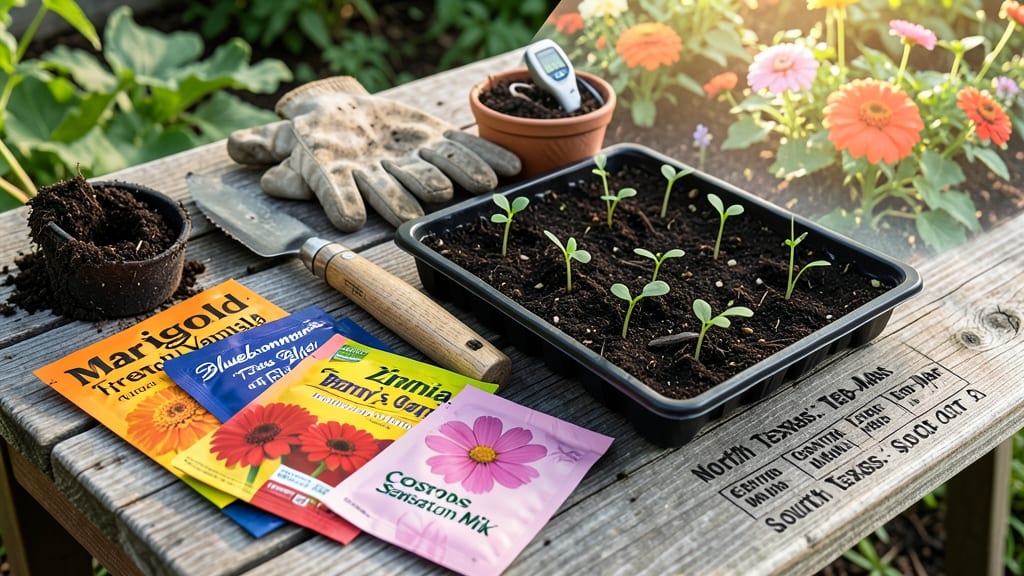
To plant flower seeds in Texas at the right time means beating the frost in the north and outrunning the summer heat in the south — a 30-day window that makes all the difference between thriving blooms and wilted dreams.
Texas gardeners know timing is everything — plant too early, and a late frost ruins your blooms; too late, and summer heat scorches tender seedlings. Mastering the perfect planting window ensures vibrant flowers all season long, whether you're in the Panhandle or the Rio Grande Valley.
Most 🌸 flower seeds thrive when sown after the last frost date, which shifts from February in South Texas to March in North Texas. But heat-tolerant varieties like zinnias and lantana can handle direct sowing as early as March, while cooler-loving pansies wait until September for fall blooms.
Below, I break down the best months for each zone, how to start seeds indoors for a head start, and which flowers to plant in succession to keep your garden bursting with color from spring through fall.
Texas flower seed planting calendar: frost dates & heat zones
Texas stretches from USDA Zone 8a in the north to Zone 11 in the south, creating wildly different planting windows. While North Texas may still see frost in March, South Texas gardeners can plant warm-season flowers year-round.
Understanding your last frost date and heat zones is key to avoiding frost damage or heat stress—especially in urban heat islands like Dallas or Houston.
Most Texas gardeners focus on two main planting windows: early spring (Feb-Mar) for cool-season flowers and late summer (Aug-Sep) for heat-lovers. However, coastal areas like Galveston or Corpus Christi have earlier last frost dates (Jan 1) than inland regions, while El Paso can still face frost until mid-March.
Let’s break down your region’s unique timeline to plant with confidence.
🌱 Pro Tip: Use shade cloth for seedlings in Zone 9+ to protect them from intense afternoon sun, even if the air temperature isn’t extreme. Urban areas can be 5-10°F hotter than rural zones, so adjust your planting dates accordingly.
| Region | USDA Zone | Last Frost Date | First Frost Date | Ideal Planting Window | Heat Notes |
|---|---|---|---|---|---|
| North Texas (Panhandle) | 8a | March 15 | December 1 | Feb 15 - Mar 31 | Cool nights; use row covers |
| North Central (Dallas/Fort Worth) | 8a-8b | March 1 | November 30 | Feb 20 - Apr 15 | Urban heat islands; water deeply |
| Central Texas (Austin/San Antonio) | 8a-9a | February 15 | November 15 | Feb 28 - Apr 30 | Variable; monitor soil temps |
| East Texas (Tyler/Longview) | 8a-8b | March 1 | November 15 | Feb 20 - Apr 15 | Humid; watch for fungal diseases |
| West Texas (Midland/Odessa) | 8b-9a | March 10 | November 1 | Mar 1 - Apr 15 | Dry heat; mulch heavily |
| South Texas (Corpus Christi) | 9a-10a | January 15 | October 31 | Jan 30 - May 15 | Coastal; salt tolerance needed |
| Houston/Galveston | 9a-9b | January 1 | November 1 | Feb 15 - Jun 1 | Urban heat + humidity |
| El Paso | 8a | March 1
Best heat-tolerant flower seeds for Texas planting: early vs late seasonTexas gardeners know timing is everything—plant too early, and a late frost ruins your blooms; too late, and summer heat scorches tender seedlings. Mastering the perfect planting window ensures vibrant flowers all season long. For heat-tolerant varieties, timing shifts between cool-season and warm-season plants. Let's break down the best options for your Texas garden. Cool-season flowers like pansies and snapdragons thrive when temperatures stay below 75°F. These varieties should be sown 8-10 weeks before the last frost date, typically February to early March in most of Texas. Warm-season favorites like lantana and zinnias love the heat and should be planted after all danger of frost, usually March to May. 🌱 Early Season Planting (Cool-Season Flowers)
Pros:
Cons:
☀️ Late Season Planting (Warm-Season Flowers)
Pros:
Cons:
For direct sowing, zinnias and cosmos are top choices—they germinate quickly in warm soil. Transplant lantana and black-eyed susans after the last frost for stronger roots. Always amend soil with compost to improve drainage, a must in Texas clay. My go-to warm-season flowers include Mexican sunflowers (they handle 100°F+ temps) and portulaca, which thrives on neglect. For cool-season color, stock flowers and sweet alyssum are fragrant and frost-resistant. Both categories offer pollinator-friendly options to attract bees and butterflies. Pro tip: Use shade cloth (30-50%) for early warm-season plantings to protect seedlings from intense afternoon sun. Mulch with straw or wood chips to retain moisture and regulate soil temperature. With these strategies, your Texas garden can bloom beautifully from spring to fall. Don't forget to deadhead spent blooms regularly—this encourages continuous flowering and keeps your garden looking its best. Whether you're planting annuals or perennials, timing and care make all the difference in Texas's challenging climate. |