
Flowers
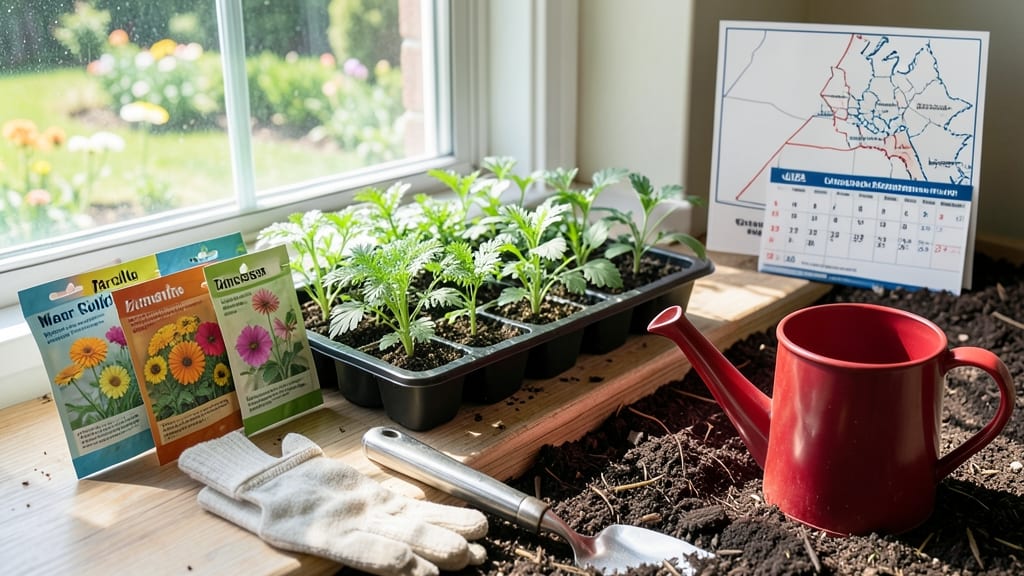
To plant flower seeds in Zone 6 🌸 at the perfect time means timing them with frost dates, soil warmth, and your local microclimate—not just the calendar.
Zone 6 gardeners know timing is everything—plant flower seeds too early, and frost will kill them; too late, and you’ll miss peak blooms. Here’s the precise schedule to maximize your garden’s potential with frost-free confidence.
Cool-season flowers like pansies or snapdragons can handle light frosts, while warm-season zinnias or marigolds need soil temperatures above 50°F to germinate. That’s why your planting window shifts from early spring for hardy annuals to late summer for heat-lovers.
Below, I’ll break down the exact weeks to start seeds indoors, the best months for direct sowing, and how to adjust for northern vs. southern Zone 6—so you avoid the two biggest mistakes that waste seed packets.
Zone 6 frost dates and ideal planting windows for flower seeds
Understanding Zone 6 frost dates is the first step to planting flower seeds successfully. In this zone, the last spring frost typically arrives between mid-April and early May, while the first fall frost hits around mid-October to early November.
These dates create a 150-200 day growing season, which is perfect for both cool-season and warm-season flowers if timed correctly.
For cool-season flowers like pansies, snapdragons, and calendula, you can start seeds indoors 6-8 weeks before your last frost date. This means sowing them in late February to early March in most of Zone 6.
These flowers thrive in cooler temperatures (40-75°F) and can even handle light frosts, making them ideal for early spring planting.
Soil temperature is just as critical as air temperature. Most flower seeds need soil to be at least 40-50°F to germinate properly. In Zone 6, this usually aligns with late March to early April for cool-season flowers. Use a soil thermometer to confirm before planting.
Warm-season flowers like zinnias, marigolds, and cosmos prefer warmer soil (60-70°F) and should only be planted after your last frost date. This typically means waiting until mid-May to early June. Starting these seeds indoors 4-6 weeks before transplanting gives them a head start and extends your blooming season.
| Flower Type | Planting Window | Soil Temp | Ideal Months | Notes |
|---|---|---|---|---|
| Cool-Season Annuals (Pansies, Snapdragons, Calendula) | Indoors: Late Feb-Early Mar Outdoors: Late Mar-Early Apr |
40-50°F | March-April | Tolerates light frost; great for early blooms |
| Warm-Season Annuals (Zinnias, Marigolds, Cosmos) | Indoors: Late Mar-Early Apr Outdoors: Mid-May-Early Jun |
60-70°F | May-June | Needs warm soil; avoid frost |
| Perennials (Coneflowers, Black-Eyed Susans, Lavender) | Outdoors: Early Apr-Late May | 50-60°F | April-May | Hardy; establish roots before summer heat |
| Fall-Blooming Annuals (Cosmos, Sunflowers, Asters) | Outdoors: Late Jun-Early Jul | 60-70°F | June-July | Fast-growing; enjoys long summer days |
Perennials like coneflowers and black-eyed Susans are more forgiving and can handle being planted early April to late May. These hardy plants establish roots quickly and often bloom in their first year if given enough time.
For best results, aim to plant them 4-6 weeks before your last frost to ensure they’re well-rooted before summer heat arrives.
If you’re planting fall-blooming flowers like cosmos or sunflowers, don’t wait too long. These varieties thrive when sown in late June to early July, giving them enough time to mature before the first frost in October. They’re perfect for extending your garden’s color into autumn.
For gardeners in northern Zone 6 (e.g., Chicago, Detroit), err on the side of planting slightly later due to cooler springs. In southern Zone 6 (e.g., Nashville, Raleigh), you can start a bit earlier.
Always monitor local weather forecasts and adjust your planting schedule by 1-2 weeks if needed.
Pro tip: Use row covers or cold frames to extend your planting season for cool-season flowers. This can push your last frost date back by 2-3 weeks, giving you more time to enjoy early blooms like pansies and sweet alyssum. Just remove covers once temperatures rise above 50°F
How to adjust planting times for early vs. late Zone 6 locations
Zone 6 spans from northern cities like Chicago to southern hubs like Nashville, creating a 3-4 week difference in frost dates. These variations mean your marigold seeds might thrive in Nashville by mid-March but risk frost damage in Chicago until late April.
Understanding your sub-region’s microclimates is key to avoiding wasted seed packets and missed blooms.
Elevation plays a surprising role—every 1,000 feet higher can delay spring by 1-2 weeks. Urban areas like Detroit may experience heat islands that push planting dates 10 days earlier than rural zones.
Meanwhile, wind exposure near lakes or mountains can chill soil faster, requiring 2-week adjustments for cold-sensitive flowers like petunias.
Here’s how to fine-tune your schedule based on your specific Zone 6 location:
For northern Zone 6 gardeners, I recommend starting cool-season flowers like pansies indoors by February 15 and hardening off by March 15. In southern areas, you can direct-sow zinnias as early as March 1—just cover seedlings if late frosts threaten.
Always monitor your local Almanac frost predictions and adjust by 1 week if your microclimate runs cooler.
Pro tip: Use row covers to extend your early planting window by 2-3 weeks in cold spots. For late-season flowers like cosmos, wait until May 15 in Chicago but can start by April 15 in Nashville.
The key is soil temperature, not just calendar dates—always check with a thermometer before planting heat-loving annuals.
Remember, even within Zone 6, your neighbor’s garden might have different microclimates based on yard orientation or nearby trees. When in doubt, err on the side of late planting—you can always add more mulch to protect young seedlings, but you can’t replant after frost kills them. Happy planting! 🌷