
Flowers
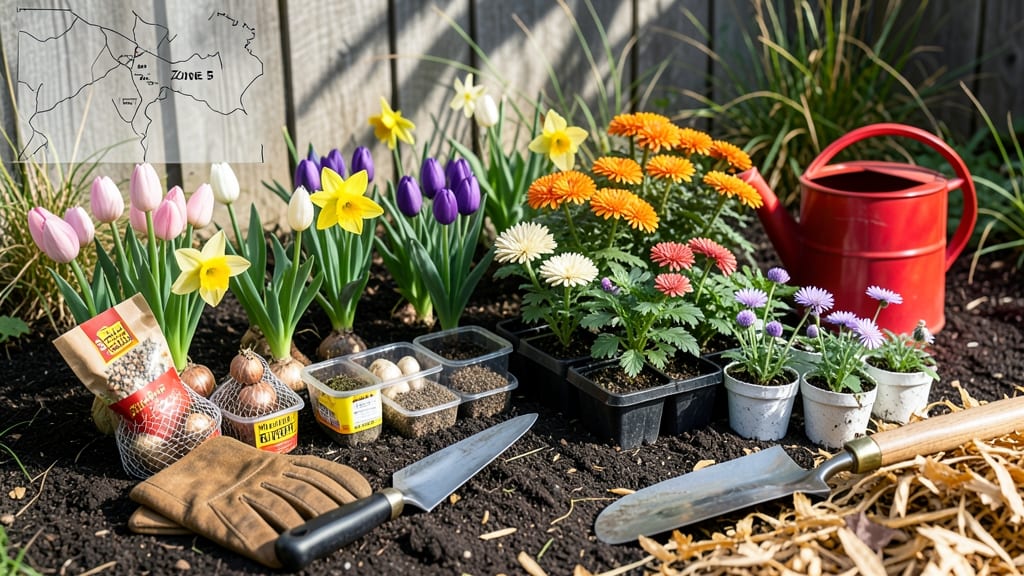
To plant flowers in Chicago, time your spring and fall windows around mid-March to mid-May and mid-August to mid-September—when frost risks fade and soil warms just enough for roots to thrive.
Chicago’s unpredictable frost dates can make or break your flower garden—plant too early, and a late freeze wipes out your blooms. But get the timing right, and you’ll enjoy vibrant 🌸 all season long.
The key lies in knowing your USDA Zone 5b-6a and adjusting for microclimates, whether you’re in a city heat pocket or a suburban backyard.
Annuals like zinnias and marigolds need soil at 60°F+, while perennials such as coneflowers can handle cooler spring soil. Fall planting? Start in August for bulbs like tulips, but wait until September for tender annuals like petunias.
Here’s your step-by-step guide to planting flowers in Chicago, from frost-date math to soil prep and variety picks—so you can skip the guesswork and enjoy a garden that blooms reliably year after year.
Chicago’s frost dates by Zone: critical planting windows for annuals and perennials
Chicago’s USDA Hardiness Zones 5b/6a create a unique challenge for gardeners, with last frost dates typically landing between April 15–May 15. These dates separate success from disappointment—planting too early risks frost damage, while waiting too long shortens your bloom season.
Understanding these windows helps you align your cool-season flowers (like pansies) with spring and your warm-season favorites (like zinnias) with summer’s arrival.
Urban gardens in downtown Chicago often experience earlier frosts due to the heat island effect, while suburban areas like the North Shore may enjoy 1–2 weeks longer of frost-free growing. Always check the National Weather Service for real-time updates, but use these averages as your planting baseline.
Perennials like coneflowers and black-eyed Susans can handle Chicago’s chill, but annuals like marigolds need warmer soil to thrive.
| Planting Window | Frost Date | Zone 5b (Urban) | Zone 6a (Suburban) | Flowers to Plant |
|---|---|---|---|---|
| Early Spring | Last Frost | April 22 | April 15 | Pansies, Snapdragons, Sweet Alyssum |
| Late Spring | After Last Frost | May 1–15 | April 25–May 5 | Petunias, Marigolds, Zinnias, Sunflowers |
| Fall | First Frost | October 10 | October 20 | Aster, Mums, Calendula, Pansies |
| Late Summer | 6–8 Weeks Before Frost | August 15–September 1 | August 20–September 5 | Cosmos, Bachelor’s Buttons, Nasturtiums |
For cool-season flowers, start seeds indoors 6–8 weeks before your area’s last frost date. Urban gardeners should aim for March 15–April 1 sowing, while suburban gardeners can push it to April 1–15.
Hardy annuals like pansies and snapdragons can handle light frosts, but avoid planting them outdoors until soil temperatures reach 40°F. Use a soil thermometer to check—cold soil slows germination.
Warm-season flowers, including zinnias and marigolds, need to wait until two weeks after the last frost date to ensure soil warmth. In Chicago, this typically means May 15–June 1 for urban areas and May 1–15 for suburbs.
If you’re eager to start earlier, use black plastic mulch to warm the soil faster. Container gardens on balconies or patios also warm up quicker, giving you a 1–2 week head start over in-ground plantings.
Fall planting in Chicago offers a second chance for vibrant blooms. Mums and asters thrive when planted 6–8 weeks before the first frost, which usually falls between October 10–20. Urban areas see frost earlier, so aim for September 1–15, while suburban gardeners can extend to September 15–30.
Bulbs like tulips and daffodils should be planted in October for spring blooms, but avoid planting too late—soil needs to be 50°F or warmer for root establishment.
Microclimates play a huge role in Chicago’s gardening success. South-facing walls or sunny balconies can extend your growing season by 10–14 days, while shaded areas may need cold-hardy varieties like heuchera or hostas. If you’re unsure about your microclimate, observe your garden for 3–5 years to note patterns.
Urban heat islands can delay first frosts by up to 2 weeks, while windy areas near Lake Michigan may experience earlier frosts due to cold air off the water.
Protect young plants from unexpected late frosts using frost blankets or row covers. These lightweight fabrics trap heat and can raise temperatures by 5–10°F, giving delicate flowers like petunias a fighting chance. For perennials, mulch heavily with straw
Best flower varieties for Chicago’s short growing season: planting timelines by type
Chicago’s short growing season demands smart choices—selecting cold-hardy annuals and perennial bloomers that thrive in USDA Zone 5b/6a is key. The right planting timeline ensures your garden bursts into color from spring pansies to fall mums, even with late frosts.
Below, I’ve curated top-performing varieties and their ideal monthly planting windows, including adjustments for container gardens on balconies.
For cold-tolerant flowers, like tulips and pansies, you can start as early as March—these early bloomers handle light frosts and even snow cover. Meanwhile, heat-loving annuals such as zinnias and marigolds need to wait until after the last frost (mid-May) to avoid wilting.
Let’s dive into the specifics so you can maximize your bloom time without risking frost damage.
- 1 March–April: Plant cold-hardy bulbs (tulips, daffodils) and pansies. Ideal for spring containers and early garden beds.
- 2 May (after last frost): Sow warm-season annuals like zinnias, marigolds, and sunflowers. Perfect for summer-long color.
- 3 July–August: Start fall-blooming perennials (e.g., black-eyed Susans, asters) and pansies for late-season color.
- 4 September (before first frost): Plant hardy bulbs (e.g., crocuses, hyacinths) and winter pansies for early spring blooms.
If you’re growing in containers, adjust timelines slightly—potted plants warm up faster and can handle earlier spring planting or later fall transplants than in-ground flowers. For example, petunias and geraniums thrive in containers and can be planted 2–3 weeks earlier than their in-ground counterparts.
Just ensure your pots have drainage holes and use lightweight potting mix to prevent root rot.
For perennials, focus on Chicago-proven varieties like coneflowers and daylilies, which establish roots early and rebloom reliably each year. These low-maintenance workhorses handle Chicago’s humidity swings and soil variations with ease.
Pair them with annuals like snapdragons for season-long color, but time your annual plantings to avoid late-May frosts.
Don’t overlook bulbs—they’re the secret weapon for early spring and late fall blooms. Tulips and daffodils planted in fall (September–October) will push through snow for April showers.
For containers, choose smaller bulbs like grape hyacinths or crocuses, which thrive in shallow pots and add vertical interest.
To extend your bloom time, stagger plantings every 2–3 weeks. For instance, plant half your zinnias in early May and the rest in late June—this ensures continuous color from summer into fall.
For balcony gardens, opt for compact varieties like bachelor’s buttons or dwarf marigolds, which thrive in 6-inch pots and withstand wind. With the right timing and variety mix, your Chicago garden can bloom beautifully year-round, even in Zone 5b/6a.