
Flowers
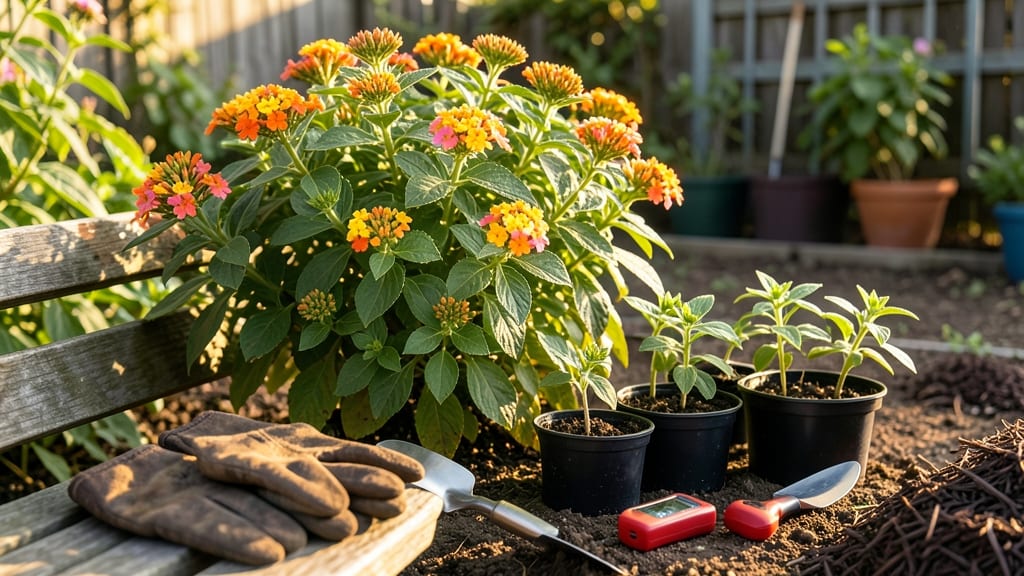
To plant flowers in Houston for year-round blooms, start with spring and fall as your best bets—just avoid the brutal summer heat or rare winter freezes.
Houston’s humid subtropical climate means your flower garden can bloom almost year-round—but timing is everything to avoid wilting before they even sprout. Whether you’re a first-time gardener or a seasoned green thumb, planting at the wrong time can turn vibrant blooms into a costly mistake.
Spring planting kicks off after the last frost (usually by mid-March), while fall offers a second chance with cooler temps and fewer pests. Perennials like salvia and lantana thrive when planted in September or October, while annuals such as zinnias and marigolds love the early spring soil.
Below, I break down the best months for each flower type, Houston’s tricky weather quirks, and how to prep your soil for maximum success—so you can enjoy continuous color without the guesswork.
Houston’s best flower planting months by season (and what to avoid)
Houston’s Zone 8b-9a climate lets you grow flowers year-round, but timing matters. Planting at the wrong time can lead to stunted growth or even death. For example, heat-sensitive flowers like pansies wilt in July’s 95°F+ temperatures, while fall-blooming mums thrive when planted in September.
Your goal should be to align planting with Houston’s seasonal patterns: warm winters, long summers, and high humidity. The first frost is rare but can happen in December, while summer heat peaks from June to August.
Knowing these extremes helps you pick the right planting windows for each flower type.
Spring (March-May) is ideal for warm-season annuals like zinnias and sunflowers, while fall (September-October) is perfect for cool-season blooms like violas and snapdragons. Summer (June-August) demands extra care for drought-tolerant varieties, and winter (December-February) is limited to hardy perennials.
Here’s a quick reference to avoid common mistakes:
For spring planting, focus on warm-season flowers after the last frost date (typically mid-March).
Start seeds indoors in February for early blooms. Summer planting requires extra watering and shade cloth for delicate varieties. Fall planting is my favorite—cooler temps mean less stress for transplants, and you’ll enjoy blooms through winter.
Avoid planting heat-sensitive flowers like impatiens in July—they’ll crisp faster than a forgotten salad in the sun. Instead, opt for drought-tolerant natives like Texas sage or blanket flower. Winter planting is limited, but hardy perennials like hellebores thrive in Houston’s mild winters.
One critical mistake is ignoring Houston’s clay soil. Amend beds with compost or sand to improve drainage. Another? Overwatering in summer—stick to deep, infrequent watering to encourage strong roots. Mulch heavily to retain moisture and cool roots during heatwaves.
Pro tip: Use seasonal succession planting. As spring blooms fade, replace them with summer favorites. This keeps your garden vibrant without gaps. For example, swap out tulips (spring) with lantana (summer) in the same spot.
Remember, Houston’s humidity and heat can stress plants. Always check plant tags for heat tolerance and water needs. Container gardening is a great option for finicky flowers—just ensure pots have drainage holes and use lightweight soil.
With the right timing, your Houston garden can bloom almost year-round. Start with this seasonal guide, and soon you’ll be the envy of the neighborhood with nonstop color—no matter the season. 🌸
Top 10 flowers for Houston’s climate and their perfect planting times
Houston’s humid subtropical climate demands flowers that thrive in both scorching summers and mild winters. The key to a flourishing garden? Planting at the right time.
With clay-heavy soil and unpredictable weather, choosing the right flowers—and their ideal planting windows—can make all the difference between a vibrant garden and a struggling one. Let’s dive into the top 10 heat-tolerant and cold-resistant bloomers that will keep your yard colorful year-round.
Before we start, Houston’s USDA Zone 8b-9a means you can grow a diverse range of flowers, but timing is critical. For example, Lantana and Salvia love the heat, while Pansies and Violas prefer cooler months.
Below, I’ve curated a list of hardy flowers with their perfect planting months and soil prep tips tailored to Houston’s clay-rich conditions.
- 🌿 Lantana: Plant in March-April or September-October for year-round blooms. Thrives in full sun and drought conditions—ideal for Houston’s heat. Soil tip: Amend clay soil with compost to improve drainage.
- 🌺 Salvia: Best planted in early spring (February-March) or fall (September). Loves well-draining soil and 6+ hours of sun. Soil tip: Mix in sand or perlite to break up clay.
- 🌻 Zinnias: Sow seeds in March-April for summer blooms or September for fall color. Heat-tolerant and attracts pollinators. Soil tip: Add aged compost for nutrient-rich soil.
- 🌸 Pansies: Plant in September-October or January-February for cool-season blooms. Thrives in partial shade. Soil tip: Use mulch to retain moisture in Houston’s dry spells.
- 🌼 Marigolds: Direct-sow in March-April or September. Repels pests and loves full sun. Soil tip: Ensure soil is well-aerated with organic matter.
- 🌷 Petunias: Plant in March-April for summer displays. Prefers morning sun and evening shade. Soil tip: Keep soil moist but not soggy.
- 🌺 Coreopsis: Sow in February-March or September. Drought-resistant and low-maintenance. Soil tip: Avoid over-fertilizing—it prefers lean soil.
- 🌼 Blanket Flower (Gaillardia): Plant in spring (March) or fall (September). Thrives in hot, dry conditions. Soil tip: Add gravel to improve drainage.
- 🌸 Snapdragons: Sow in September-October or February for spring blooms. Prefers cooler temps. Soil tip: Use well-draining soil to prevent rot.
- 🌺 Texas Sage (Leucophyllum): Plant in fall (October-November) or early spring (February). Drought-proof and heat-loving. Soil tip: Plant in sandy or rocky soil—it hates soggy conditions.
For Houston’s clay-heavy soil, always amend with compost or organic matter before planting. This improves drainage and nutrient retention, helping your flowers thrive despite the heavy clay.
For example, Lantana and Salvia will reward you with non-stop blooms if planted in well-prepared beds. Meanwhile, Pansies and Violas will add cool-season color without fuss.
Pro tip: Mulch around your plants to retain moisture and regulate soil temperature. In Houston’s sweltering summers, mulch acts like a cooling blanket, keeping roots hydrated and healthy.
Pair your heat-loving annuals like Zinnias and Marigolds with perennials such as Coreopsis for a low-maintenance, year-round garden.
Remember, Houston’s unpredictable weather can throw off even the best-laid plans. If a late frost threatens, opt for container gardening to move sensitive plants indoors or to a sheltered spot.
With the right flowers and timing, your garden will be a blooming oasis from spring to fall—and even into winter with the right choices! 🌸