
Flowers
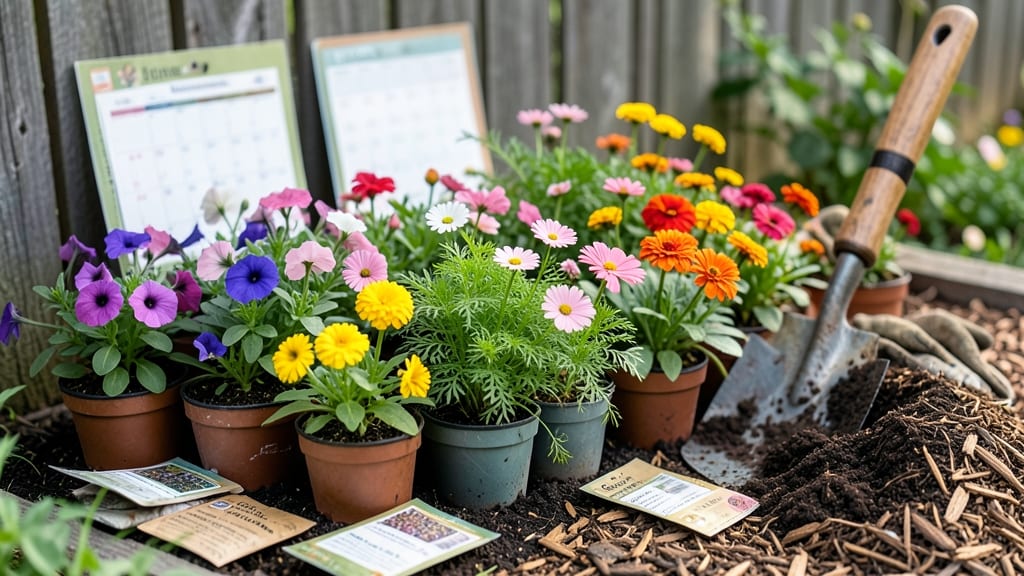
Planting flowers in North Carolina at the right time means the difference between a garden bursting with color and one that fades before it even starts.
Timing is everything in gardening—especially in North Carolina’s shifting climate. Plant flowers too early, and a late frost could wipe out your blooms; too late, and you’ll miss peak flowering seasons.
From the frost-prone mountains of Zone 6a to the milder Coastal Plain of Zone 8b, the best planting window for flowers shifts dramatically. Annuals like petunias need to wait until after the last frost, while hardy perennials like azaleas can go in as early as February.
Here’s your zone-by-zone guide to planting flowers for maximum beauty and minimal risk—plus tips to extend your blooming season no matter where you live in the Tar Heel State.
North Carolina planting zones: when to plant flowers by last frost dates
North Carolina spans USDA Zones 5a through 8a, creating a diverse range of planting windows that can confuse even experienced gardeners. The key to success? Timing your annuals, perennials, and bulbs around the last average frost date in your zone.
In the mountains (Zone 5a-6a), you might wait until mid-April, while coastal areas in Zone 8a can plant as early as February. Understanding these differences ensures your flowers thrive without frost damage.
For annual flowers, the general rule is to plant 2-4 weeks after your last frost date.
This gives young plants time to establish roots before summer heat arrives. Perennials are more flexible—they can go in early spring or fall, but avoid planting when the ground is frozen. Bulbs, like tulips and daffodils, often need chilling months before planting, so fall is ideal for most varieties.
Here’s a zone-by-zone breakdown of when to plant flowers in North Carolina, including last frost dates and ideal planting windows for each zone. Use this as your guide to avoid frost-related setbacks and maximize bloom time.
In
Best flowers to plant in NC by season: a frost-resistant guide
North Carolina’s diverse climate—from the Coastal Plain’s humidity to the Mountains’ cooler nights—means your flower choices should align with seasonal shifts. The key is selecting frost-hardy varieties that thrive in your zone while maximizing bloom time.
For example, azaleas burst into color in early spring, while sunflowers dominate summer borders. Let’s break down the best flowers for each season, including planting tips to beat frost and extend your garden’s glory.
Spring is all about early bloomers that tolerate light frosts. Plant pansies and violas in February (Zone 7-8) or March (Zone 6) for color before summer heat arrives. These cool-season favorites handle 30°F temperatures and even brighten up winter beds if mulched properly.
For longer bloom seasons, pair them with tulips and daffodils, which naturalize beautifully in NC’s soil. Just remember: Wait until after the last frost (typically mid-March in the Piedmont) to plant tender annuals like petunias.
🌱 Spring Planting Guide:
- February-March: Bulbs (tulips, daffodils) and cool-season annuals (pansies, snapdragons) for early color.
- After last frost (Zone 6: mid-March; Zone 8: late February): Petunias, impatiens, and marigolds for summer blooms.
- April: Perennials (daylilies, coneflowers) to establish roots before summer heat.
Summer in NC demands heat-tolerant, drought-resistant flowers that won’t wilt under the sun. Opt for sunflowers (which thrive in full sun and poor soil) or zinnias, which bloom nonstop from June to frost. For shadier spots, coleus and begonias add vibrant foliage without fuss.
Pro tip: Mulch heavily to retain moisture, and water deeply in the morning to prevent fungal issues. Succession planting every 2-3 weeks ensures continuous blooms—critical in NC’s 90°F+ summers.
Fall is my favorite season for NC gardens because it’s low-maintenance yet stunning. Plant mums and aster flowers in August for September-October color, and don’t overlook pansies again—they’ll bloom until winter if protected.
For perennials, black-eyed Susans and sedum handle fall frosts beautifully. A bonus: Plant spring bulbs in October (like crocuses and hyacinths) while soil is still warm but frosts are coming.
Winter isn’t just for evergreens—it’s the time to prep for next year’s blooms! While most flowers are dormant, winter jasmine and heather add structure and color. Use this time to divide perennials (like daylilies) and mulch heavily to protect roots.
For early spring blooms, plant paperwhite narcissus indoors in December—they’ll flower by Valentine’s Day! Even in NC’s mild winters, protect tender plants with burlap wraps if temps dip below 20°F.
To extend your blooming season, layer plants by height and bloom time. For example, pair early tulips with late-blooming peonies and summer phlox for a seamless transition. In Zone 6-7, use row covers to shield tender annuals like geraniums from late spring frosts.
And always choose native varieties—they’re adapted to NC’s humidity and soil, so they require less water and care. With these strategies, your garden will stay vibrant from February flowers to November blooms! 🌷