
Flowers
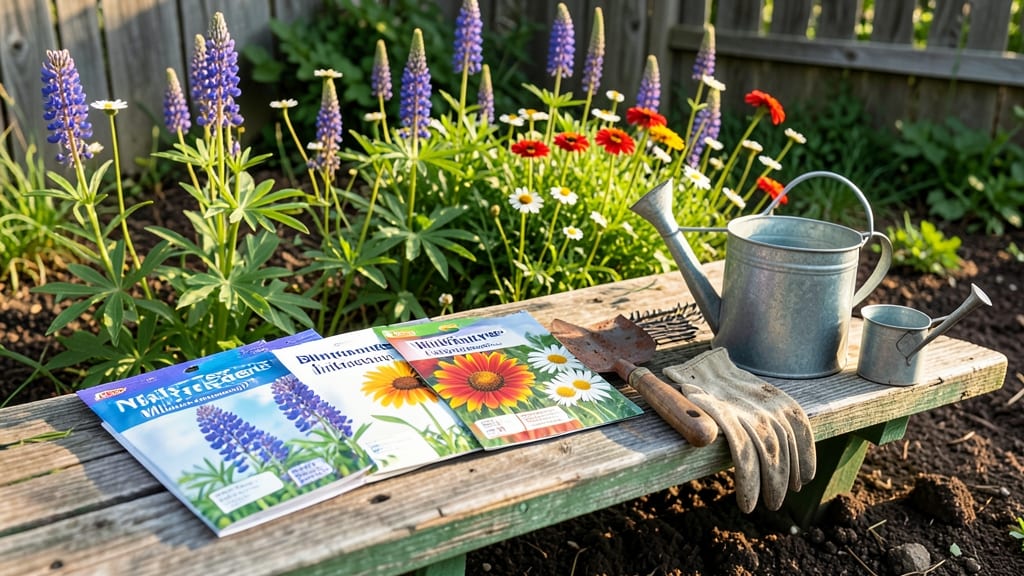
Planting flowers in North Texas at the right time means the difference between a vibrant garden and a sad, wilted mess before they even bloom.
North Texas gardeners know timing is everything—plant too early and frost wipes out your blooms, too late and summer heat zaps their potential. But mastering the frost-free zone timeline lets you grow vibrant flowers year-round, from cool-season beauties to heat-loving showstoppers.
With USDA Zone 8a conditions, your best window for most annuals and perennials is late February through early March, but some varieties thrive when planted in fall. The key is knowing which flowers can handle our unpredictable swings between 30°F nights and 100°F days.
In this guide, I’ll break down the exact month-by-month planting schedule for North Texas, including frost dates, soil prep tips, and the best flowers to plant for each season—so you can avoid common mistakes and enjoy blooms from spring through fall.
North Texas frost-free planting calendar by month for popular flowers
North Texas gardeners face a unique challenge: short but intense growing seasons with hot summers and mild winters. The key to success lies in understanding your last frost date (Feb 15–Mar 15) and first frost date (Nov 15–Dec 15).
Plant too early, and frost will kill tender blooms; too late, and summer heat will stress delicate varieties. This calendar aligns popular flowers with North Texas' USDA Zones 8a/8b for maximum bloom potential.
For annuals, focus on spring (March–April) and fall (September–October) planting. Perennials thrive when planted in early spring or early fall for strong root establishment. Bulbs like tulips and daffodils should go in fall, while native wildflowers adapt well to spring or fall sowing.
Let’s break it down month-by-month to keep your garden blooming year-round.
🌱 PRO TIP: Always check your local extended forecast—North Texas' frost dates can shift by 1–2 weeks yearly. Use row covers for early spring plantings to protect against late frosts.
| Month | Plant Type | Best Flowers | Sun Needs | Notes |
|---|---|---|---|---|
| January | Perennials/Bulbs | Tulips, Daffodils, Pansies | Full Sun/Partial Shade | Plant bulbs; protect with mulch |
| February | Cool-Season Annuals | Snapdragons, Sweet Alyssum | Full Sun/Partial Shade | Use row covers for frost |
| March | Annuals & Perennials | Marigolds, Zinnias, Coreopsis | Full Sun | After last frost; water deeply |
| April | Heat-Tolerant Annuals | Lantana, Salvia, Sunflowers | Full Sun | Succession plant every 2 weeks |
| May | Summer Bloomers | Black-Eyed Susans, Coneflowers | Full Sun | Mulch to retain moisture |
| September | Fall Annuals | Mums, Asters, Pansies | Full Sun/Partial Shade | Plant 6–8 weeks before frost |
| October | Bulbs & Perennials | Dahlias, Crocosmia, Tulips |
Best flowers to plant in North Texas by season (with heat/frost tolerance ratings)North Texas' hot summers and mild winters create perfect conditions for a year-round flower garden, but choosing the right varieties for each season is key. Cool-season blooms like pansies thrive in fall and spring, while heat-tolerant annuals like lantana shine in summer's scorching heat. Let's dive into seasonal standouts with their heat and frost resistance scores to keep your garden blooming beautifully. Understanding frost tolerance (1 = most sensitive, 5 = hardiest) and heat resistance (1 = wilts easily, 5 = thrives in heat) helps you select flowers that'll survive North Texas' extremes. For example, pansies score a 4 for frost but only a 2 for heat, while lantana scores a 1 for frost but a 5 for heat. This simple system ensures you'll have continuous color from September through May. |