
Flowers
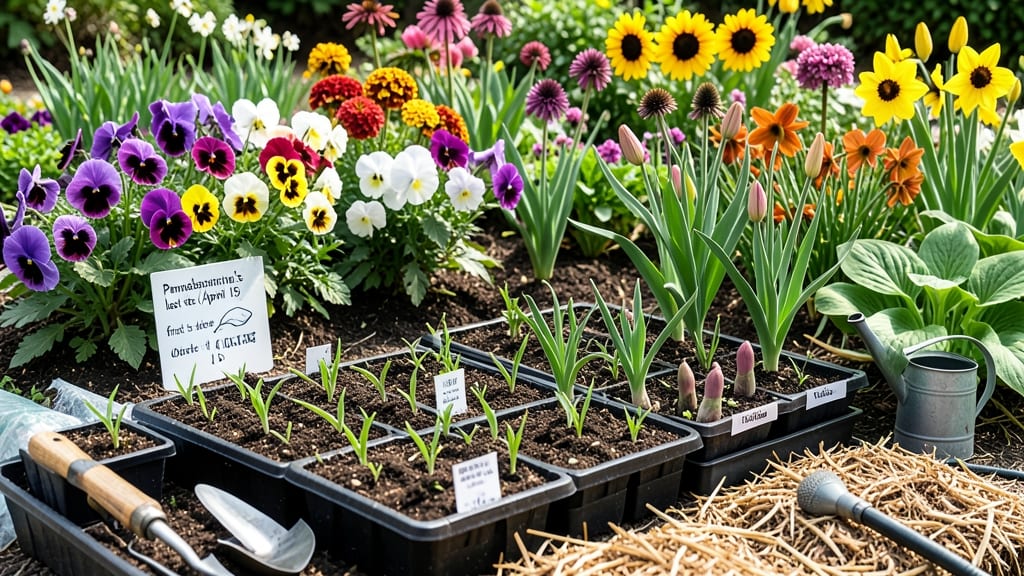
To plant flowers in Pennsylvania at the perfect time means beating frost by 4-6 weeks for most varieties, with your last chance to start seeds indoors in early March.
Pennsylvania’s unpredictable frost dates can make flower gardening a guessing game—but timing your plantings perfectly ensures vibrant blooms all season long.
Whether you’re a first-time gardener or a seasoned green thumb, knowing the exact weeks to sow seeds and transplant flowers in PA’s zones 5b-7a is the secret to a showstopping garden.
From Philadelphia’s urban heat islands to Pittsburgh’s cooler valleys, microclimates shift planting windows by 2-3 weeks. Annuals like marigolds and zinnias thrive when soil warms to 60°F in May, while hardy perennials like coneflowers can handle an early April transplant.
Below, I break down the zone-by-zone schedule, frost-proofing tips, and the best flowers to plant each month—so you can skip the trial-and-error and start with confidence.
Pennsylvania planting zones: when to start flowers by last frost date
Pennsylvania spans USDA zones 5b-7a, creating a diverse planting landscape where timing is everything. The last spring frost varies dramatically—from April 15 in Erie to May 1 in Philadelphia—while first fall frosts arrive between October 15 and November 15.
These dates dictate when to plant annuals, perennials, and bulbs for maximum bloom potential.
Understanding your local microclimate is key. Urban areas like Pittsburgh often experience earlier springs than rural zones, while Erie’s lake-effect can delay frost. I’ll break down optimal planting windows for each zone and region, plus how to adjust for heat pockets, wind exposure, or sheltered spots in your garden.
Here’s the golden rule for Pennsylvania gardeners: Plant cool-season flowers 4-6 weeks before last frost and warm-season varieties 2-3 weeks after. But the devil’s in the details—let’s dive into the specifics by zone and region.
| Region | Zone | Avg Last Frost | Cool-Season Flowers | Warm-Season Flowers |
|---|---|---|---|---|
| Erie | 6a | April 15 | March 15-April 1 (4-6 wks before) | May 15-June 1 (2-3 wks after) |
| Pittsburgh | 6b | April 22 | March 20-April 5 | May 10-May 25 |
| Philadelphia | 7a | May 1 | April 1-April 15 | May 15-June 1 |
| State College | 6b | April 20 | March 25-April 5 | May 10-May 20 |
| Scranton | 5b | April 10 | March 10-April 1 | May 1-June 1 |
For annual flowers, start cool-loving varieties like pansies and snapdragons indoors 8-10 weeks before last frost to give them a head start. My go-to rule: If you’re planting tender perennials like lavender, wait until after Memorial Day to avoid frost damage—even in zone 7a.
Bulbs like tulips and daffodils should go in the ground 6-8 weeks before first frost (typically September-October in PA). I’ve learned the hard way that planting too late means weak stems and fewer blooms next spring.
For perennials like coneflowers and black-eyed Susans, divide and transplant in early spring or fall, avoiding extreme heat.
Microclimates can shift your planting window by 1-3 weeks. A south-facing wall might warm up enough to plant tomatoes and marigolds 2 weeks earlier, while a windy hilltop could delay planting by a similar margin.
Always check soil temperature—it should be at least 60°F for warm-season flowers to thrive.
Pro tip: Use frost-sensitive flowers like impatiens as a last-frost indicator. Plant them after May 10 in most of PA—if they survive, you’re safe to plant heat-lovers like zinnias.
For extended seasons, I recommend row covers to protect delicate blooms until June 1, even in zone 7a.
Remember, fall planting isn’t just for spring blooms. Many cool-season annuals like calendulas thrive when sown 6-8 weeks before first frost (typically August-September). These hardy flowers will brighten your garden until snow flies, giving you continuous color.
Adjust your planting schedule based on local weather patterns. If you’ve noticed later frosts in recent years, err on the side of planting later—better to wait 10 days too long than risk losing weeks of growth to a surprise freeze. Happy planting!
Best flowers to plant in PA by season: cool vs. warm-weather varieties
Pennsylvania’s diverse climate means some flowers thrive in cool springs while others need summer’s heat to bloom.
I’ve tested these varieties in my Zone 6b garden and can confidently say timing is everything. Cool-season flowers like pansies and snapdragons handle frost, while warm-season stars like zinnias and marigolds wait until after Memorial Day.
Let’s break down the best blooms for each season and how to plant them for maximum impact.
For spring planting, focus on flowers that tolerate light frosts and even bloom in cooler temps.
These are my top cold-hardy annuals that perform best when sown 4-6 weeks before last frost (typically late March to early April in PA): pansies, sweet alyssum, and snapdragons. Perennials like coneflowers and black-eyed Susans can be planted in early spring or fall, giving them time to establish roots before winter.
My go-to warm-season flowers for summer color are zinnias and marigolds, which I direct-sow after the last frost date (usually mid-May in most of PA). These thrive in full sun and well-draining soil, so I always amend my beds with compost before planting.
For extended blooms, I deadhead spent flowers weekly—this trick keeps zinnias producing until first frost!
Don’t overlook perennial powerhouses like coneflowers and black-eyed Susans. These tough natives handle PA’s humid summers and cold winters with ease. I plant them in early spring (April) or fall (September) for best root establishment.
Pro tip: Space them 18-24" apart—they’ll spread over time and create stunning pollinator magnets.
For fall interest, I always include cosmos and asters. These self-seed easily and bloom well into October in my Zone 6b garden. To encourage second flushes, I fertilize lightly with balanced 10-10-10 in early summer. Mulch heavily in late fall to protect roots from freeze-thaw cycles.
Remember: Soil temperature matters more than air temperature. Use a soil thermometer to confirm it’s 50°F+ for cool-season plants or 60°F+ for warm-season varieties before planting. In urban areas (like Philadelphia), microclimates can delay frost—always check local frost date averages and adjust your timeline accordingly.