
Flowers
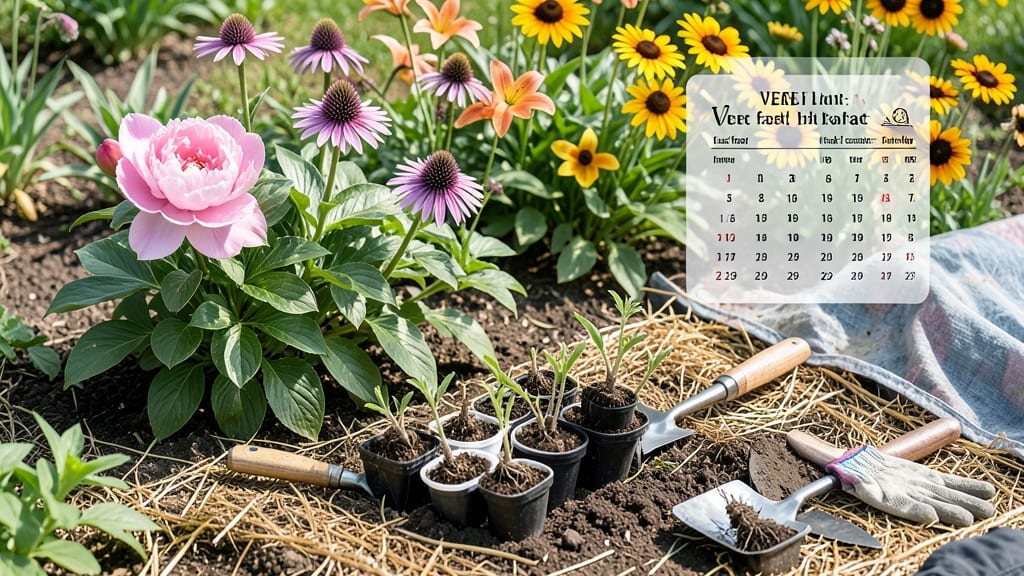
Planting flowers in Vermont means timing it right—after the last frost in April or May for spring blooms or in August or September for fall color, depending on your USDA zone.
Miss that window, and you’ll either lose delicate blooms to a surprise frost or watch your garden miss its prime flowering season. Vermont’s 4b-6a zones can shift frost dates by weeks, so knowing your microclimate is key.
Whether you’re growing hardy perennials like coneflowers or frost-sensitive annuals like marigolds, this guide breaks down the best planting times, soil prep tips, and how to stretch your blooms from spring to fall.
Discover the exact frost-date math for your area, the best flowers for Vermont’s climate, and pro tricks to protect your garden—so you can enjoy 🌸 blooms all season long.
Vermont’s frost dates by Zone: critical planting windows for flowers
Vermont’s USDA Hardiness Zones 4b-6a create a unique challenge for gardeners—cool springs and early falls demand precise planting timing. The last spring frost typically arrives between April 15 and May 15, while the first fall frost often hits between September 15 and October 15.
These dates vary by elevation, with valley regions (Zone 5-6) warming earlier than high-altitude areas (Zone 4).
Understanding your local frost dates is critical because frost-sensitive annuals like marigolds and petunias can’t survive even light frosts. Meanwhile, hardy perennials like coneflowers and black-eyed Susans thrive when planted at the right time.
Below, I’ve broken down the planting windows for Vermont’s three primary zones, including adjustments for early-spring cold snaps and late-season heat waves.
🌱 PRO TIP: Use frost clocks or local weather reports to fine-tune your timing—Vermont’s frost dates can shift by 1-2 weeks year to year. For high-altitude gardens (e.g., Stowe or Jay Peak), add 2-3 weeks to the average frost dates listed below.
For annual flowers, wait until two weeks after the last frost to plant tender varieties like geraniums or impatiens. These plants won’t tolerate even light frosts, so rushing them can mean wilted blooms or death.
In contrast, perennials like peonies or daylilies can handle cooler soils and should be planted as early as late March or early April in Zone 6a.
Bulbs are a special case—most spring-blooming bulbs (e.g., daffodils, tulips) should be planted in fall (September–October), while summer-blooming bulbs (e.g., dahlias, gladiolas) go in late spring (May–June) after the frost risk has passed.
In Zone 4b, I often wait until early June to plant dahlias to avoid late frosts.
Best flowers to plant in Vermont by season: cool vs. warm-loving species
Vermont’s USDA zones 4b-6a demand careful timing to grow vibrant flowers. Cool-season blooms like daffodils thrive in early spring, while warm-season annuals need to wait until after the last frost. Understanding these differences ensures your garden flourishes year-round. Let’s dive into the best seasonal flowers for Vermont’s climate.
For spring planting, focus on cold-hardy perennials and early-blooming bulbs. These plants tolerate frost and even snow cover, making them ideal for Vermont’s chilly mornings.
In contrast, summer annuals like marigolds and petunias love warmth and should only be planted after the last frost date, typically around May 15.
Here’s a quick guide to planting flowers by season, including cool-loving and warm-loving varieties:
- 🌷 Tulips & Daffodils: Plant bulbs in fall (Sept–Oct) for spring blooms. They thrive in cool soil and full sun.
- 🌼 Coneflowers & Black-Eyed Susans: Hardy perennials to plant in early spring or fall. Tolerate drought and frost.
- 🌿 Pansies & Violas: Frost-resistant annuals for early spring color. Plant seeds or transplants in March–April.
- 🌻 Marigolds & Petunias: Warm-season annuals to plant after last frost (late May). Love sunny spots and well-drained soil.
- 🌺 Zinnias & Sunflowers: Fast-growing annuals for summer blooms. Sow seeds directly in May–June.
- 🌼 Cosmos & Snapdragons: Drought-tolerant and heat-resistant. Ideal for late spring planting.
- 🌼 Asters & Chrysanthemums: Plant in early fall for late-season color. Thrives in cool weather.
- 🌷 Fall Crocus & Columbine: Hardy bulbs for autumn blooms. Plant in August–September.
- 🌿 Kale & Ornamental Cabbage: Edible flowers that add color to fall gardens. Plant in late summer.
Vermont’s fall frost dates (around October 15) signal the end of the growing season for tender annuals. However, perennials and bulbs planted in early fall will establish roots before winter. For extended blooms, try succession planting warm-season annuals every 2–3 weeks through July.
Pro tip: Use mulch in fall to protect perennial roots from freezing temperatures. This simple step ensures your garden rebounds beautifully in spring. With the right timing, Vermont’s gardens can burst with color from early spring to late fall!
For container gardening, opt for compact varieties like petunias or geraniums. These thrive in pots and can be moved indoors before the first frost. Happy planting!