
Flowers
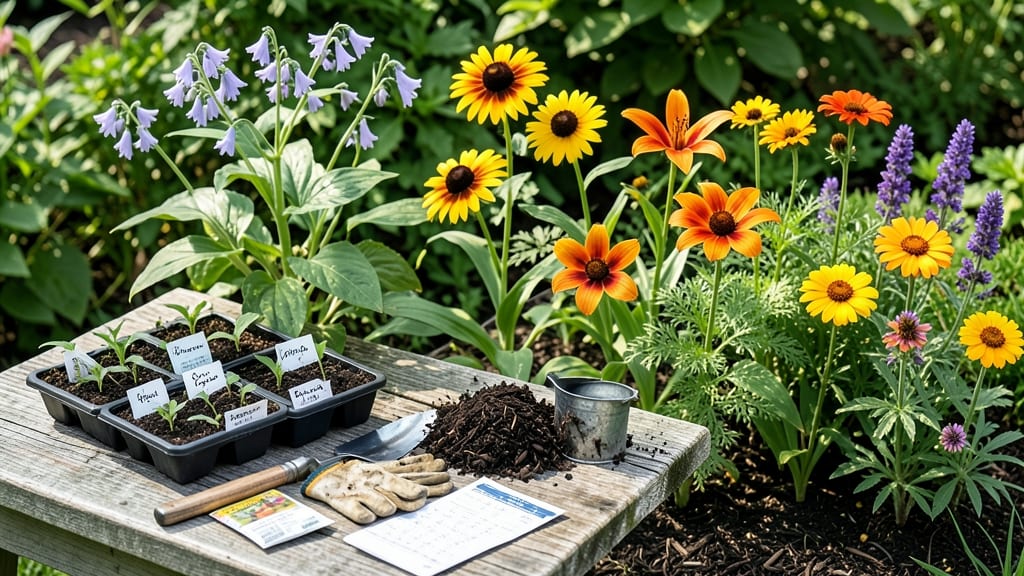
Planting flowers in Virginia at the right time means the difference between a garden bursting with color and one that fades before it begins.
Virginia’s diverse climate—from coastal mildness to mountain chill—means planting flowers at the wrong time can mean missed blooms or wilted hopes. Timing is everything, but getting it right varies dramatically depending on where you garden in the state.
Whether you’re in the 7a-8a zones of the Piedmont or the cooler mountains, knowing when to start seeds indoors, when to transplant tender annuals, and which hardy perennials can brave an early spring is the key to a longer, brighter bloom season.
Here’s your month-by-month guide to planting flowers in Virginia, including regional adjustments for frost dates, soil prep, and even container gardening hacks for urban spots.
Virginia’s planting zones: when to start flowers by region (coastal vs Piedmont vs mountains)
Virginia’s USDA zones 6-8 create a gardening puzzle—where coastal Norfolk enjoys 180 frost-free days, while Roanoke’s mountains clock in at 150 days. These differences mean your tulip bulbs in Hampton Roads might bloom 3 weeks earlier than those in Charlottesville.
Understanding your microclimate is key to avoiding late-spring frost damage or summer wilting from heat stress.
Let’s break down the ideal planting windows for Virginia’s three distinct regions. Whether you’re in the coastal plains, Piedmont valleys, or Blue Ridge mountains, these timelines will help you time your flowers for maximum blooms.
Remember: last frost dates shift yearly, so always check your local Cooperative Extension Service for updates.
| Region | USDA Zone | Avg. Last Frost | Spring Planting Window | Fall Planting Window |
|---|---|---|---|---|
| Coastal (Norfolk, Virginia Beach) | Zone 8a | Mid-March | Feb 15–April 15 | Sep 15–Nov 1 |
| Piedmont (Richmond, Charlottesville) | Zone 7a-7b | April 1 | March 15–May 1 | Sep 1–Oct 15 |
| Mountains (Roanoke, Blacksburg) | Zone 6b-7a | April 15 | April 1–May 15 | Aug 15–Sep 30 |
For coastal Virginia, where zone 8a reigns, you can start pansies and snapdragons as early as mid-February in protected beds. The longer growing season also lets you plant fall mums and asters until November 1.
Use row covers if late frosts threaten—coastal areas can still see 28°F dips in March.
In the Piedmont region, Richmond’s zone 7b offers a balance. Tulip bulbs go in October-November, while annuals like zinnias wait until mid-April. Charlottesville’s slightly cooler microclimate may delay planting by 1-2 weeks—always check your local frost data before committing to tender perennials like lavender.
Mountain gardeners in Roanoke (zone 6b) face the shortest season. Start seeds indoors by March 1 for petunias and geraniums, then transplant after April 15. Bulbs like daffodils thrive here—their cold tolerance makes them perfect for early spring color before summer heat arrives. Use black plastic mulch to warm soil faster in high-altitude areas.
Adjust timelines for urban microclimates. Cities like Richmond experience urban heat islands, pushing last frost dates 3-5 days earlier than rural areas. Conversely, valley floors (like the Shenandoah Valley) can trap cold air, delaying spring planting by 10 days or more.
Always observe your yard’s unique conditions—a south-facing slope may bloom weeks ahead of a north-facing shady spot.
For container gardening in cities, start petunias and marigolds 4-6 weeks before your region’s last frost. Containers warm up faster than soil, giving you a 2-week head start on ground planting.
Just ensure pots have drainage holes—root rot from poor drainage is a common urban gardening mistake.
Pro tip: Plant cool-season flowers like calendula and sweet alyssum in late summer (August) for fall color. These heat-tolerant annuals will bloom until first frost, extending your season by 4-6 weeks.
Mountain gardeners should focus on hardy varieties like shasta daisies, which survive zone 6 winters with minimal protection.
Remember: Soil temperature matters more than air temperature
Best flowers to plant by month in Virginia (March–October calendar)
Timing your flower plantings in Virginia is like hitting a moving target—frost dates shift yearly, and microclimates create wildly different conditions just miles apart. Coastal areas like Norfolk enjoy earlier springs, while mountain regions like Roanoke can face late frosts until mid-May.
The key? Start with cold-hardy annuals in early spring and transition to heat-lovers by summer.
For container gardeners, this calendar becomes even more critical—pots heat up faster and dry out quicker. I’ve included container-friendly options for each month to keep your urban balcony or patio blooming year-round.
Let’s dive into the month-by-month strategy that’ll have your Virginia garden bursting with color from March through October.
🌱 Virginia Flower Planting Calendar
- March: Pansies, Violas, Daffodils (bulbs) – Cold-hardy annuals for early color. Container tip: Use well-draining mixes.
- April: Tulips, Hyacinths, Sweet Alyssum – Plant after last frost (usually mid-April). Mountain zones: Wait until May 1.
- May: Petunias, Marigolds, Zinnias – Heat-tolerant annuals. Coastal areas: Start late April.
- June: Black-Eyed Susans, Coneflowers, Lantana – Drought-resistant perennials. Containers: Add mulch to retain moisture.
- July: Sunflowers, Cosmos, Snapdragons – Succession plant every 2-3 weeks for continuous blooms.
- August: Mums, Asters, Salvia – Fall favorites. Start potted mums indoors in July.
- September: Pansies, Sweet Peas, Calendulas – Cool-season replanting. Mountains: Plant early.
- October: Chrysanthemums, Ornamental Kale, Pansies – Before first frost (usually mid-November).
I can’t stress enough how container gardening changes the game for Virginia’s short growing season. Pots warm up faster in spring, so I always start pansies and violas in containers by late February—even if the ground is still frozen.
For mountain gardeners, add a row cover to protect early plantings from late frosts that can linger until May 15.
Summer in Virginia’s Piedmont region (like Richmond) can be brutal, with 90°F+ temps by June. That’s why I turn to zinnias and lantana—they thrive in heat and drought conditions.
For coastal areas, like Virginia Beach, humidity is the real enemy. Marigolds and snapdragons handle the moisture better than fussy petunias, which often succumb to powdery mildew.
Don’t forget about fall planting—it’s my secret weapon for year-round color. By September 15, I’m sowing pansies and sweet peas for winter blooms. In containers, these flowers will keep blooming until Christmas if you deadhead regularly.
For perennials, like asters and mums, late summer is the perfect time to divide and replant for next year’s spring growth.
Pro tip: Mark your calendar for Virginia’s average frost dates—mid-April for last frost and mid-November for first frost. But always check local forecasts, because microclimates (like urban heat islands) can shift these dates by 2-3 weeks.
With this calendar, you’ll avoid the heartbreak of wilted hopes and enjoy a garden that blooms nonstop from spring to frost.