
Flowers
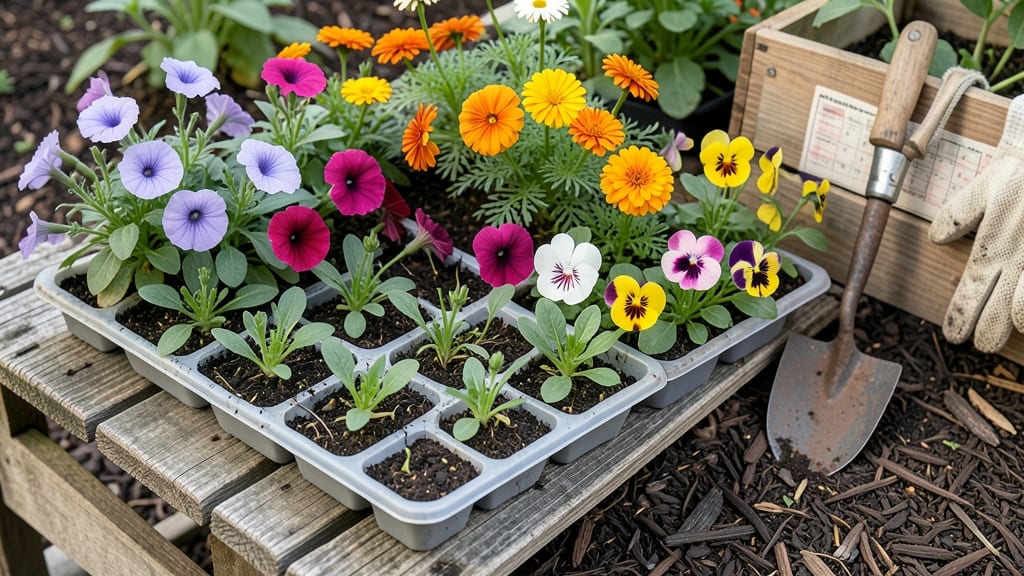
Planting flowers in Zone 6 at the right time means the difference between a garden bursting with color and one that struggles to take root.
Timing is everything in gardening—plant your flowers too early or too late in Zone 6, and you’ll miss the vibrant blooms you crave. But get it right, and your garden will burst with color from spring to fall.
Zone 6’s last frost typically arrives between mid-April and mid-May, but the exact date depends on your sub-region. Northern areas like Chicago might wait until late May, while southern parts of the zone can start as early as April.
In this guide, I’ll break down the best planting windows for annuals, perennials, and bulbs, plus how to adjust for soil warmth and microclimates. You’ll learn exactly when to plant each variety for thriving blooms all season long.
Zone 6 flower planting calendar: exact dates by season and variety
In Zone 6, the difference between a thriving flower garden and a failed one often comes down to timing. With last frost dates ranging from April 15 to May 15 and first frost arriving between October 15 and November 15, you’ll need to strategize carefully.
Cold-hardy flowers like tulips and daffodils can handle early spring planting, while heat-sensitive varieties like marigolds and petunias need to wait until soil warms.
This calendar breaks down the best planting windows for annuals, perennials, bulbs, and tender flowers in Zone 6. I’ve included notes on soil temperature, frost sensitivity, and succession planting to help you maximize your blooms.
Whether you’re a beginner or a seasoned gardener, these exact dates will help you avoid common mistakes and create a garden that flourishes all season long.
For spring-blooming bulbs, like tulips and daffodils, I recommend planting them in March as soon as the ground is workable. These cold-hardy varieties can handle frost and will reward you with vibrant blooms in late spring.
To ensure success, choose a spot with well-draining soil and avoid planting too deeply—typically 6-8 inches deep for most bulbs.
When it comes to annual flowers, timing is critical. Cold-hardy annuals, such as pansies and snapdragons, can be planted as early as
How to adjust planting times for Zone 6’s microclimates and soil conditions
Zone 6’s planting calendar isn’t one-size-fits-all. Urban heat islands can push last frost dates back by weeks, while shaded spots may need earlier starts to compensate. I’ve gardened in both city lots and rural plots in Zone 6, and I’ve learned these adjustments make all the difference.
For example, my marigolds in the city’s concrete jungle needed planting 2 weeks later than my neighbor’s rural garden.
Soil type also shifts timing dramatically. Clay soil stays cold longer, delaying planting by 10-14 days compared to loamy or sandy soils.
Last spring, my petunias in clay soil struggled until I amended it with compost—now I test soil temperature with a soil thermometer (aim for 60°F at 4” depth) before planting heat-loving annuals.
Extended heat waves are another game-changer. When summer temperatures hit 90°F+, tender flowers like impatiens bolt quickly. I’ve found that starting these in partial shade or using shade cloth extends their bloom time by 3-4 weeks.
For my coleus, I even delay planting until late May to avoid early-season wilting.
⚠️ WARNING: Common Mistakes That Kill Your Blooms ⚠️
Planting Too Early in Cold Soil
Problem: Seeds rot or seedlings develop damping off when soil temps stay below 50°F. I’ve lost 3 batches of zinnias this way—always wait until soil warms to 60°F+ for warm-season flowers.
Ignoring Microclimates
Problem: A south-facing wall can be 5-10°F warmer than open ground. Last year, my geraniums near the brick wall bloomed 2 weeks earlier than those in the open bed. Adjust planting times by 1-2 weeks for these hot spots.
Skipping Soil Prep for Clay
Problem: Compacted clay suffocates roots and delays germination. Before planting peony roots last fall, I mixed in 3 inches of compost and perlite—now they emerge 2 weeks earlier than before.
Row covers and cold frames are my secret weapons for extending seasons. In early spring, I use floating row covers to plant pansies and snapdragons 3 weeks before the average last frost date.
For fall, a mini greenhouse lets me keep calendulas blooming until Thanksgiving. Even a $20 hoop house can add 4-6 weeks to your blooming season.
Succession planting is another trick I swear by. Instead of one big planting, I stagger cosmos and sunflowers every 2 weeks from May to July. This ensures continuous blooms and prevents overcrowding—my sunflowers now reach 7 feet tall without competing for space.
For bulbs like tulips, timing depends on your goal. Plant Dutch iris in fall (October-November) for spring blooms, but gladiolus corms need to go in early spring (March-April) to avoid winter rot.
I mark my calendar with 3 reminders: fall bulbs, spring perennials, and heat-lovers—this keeps my garden on track every year.