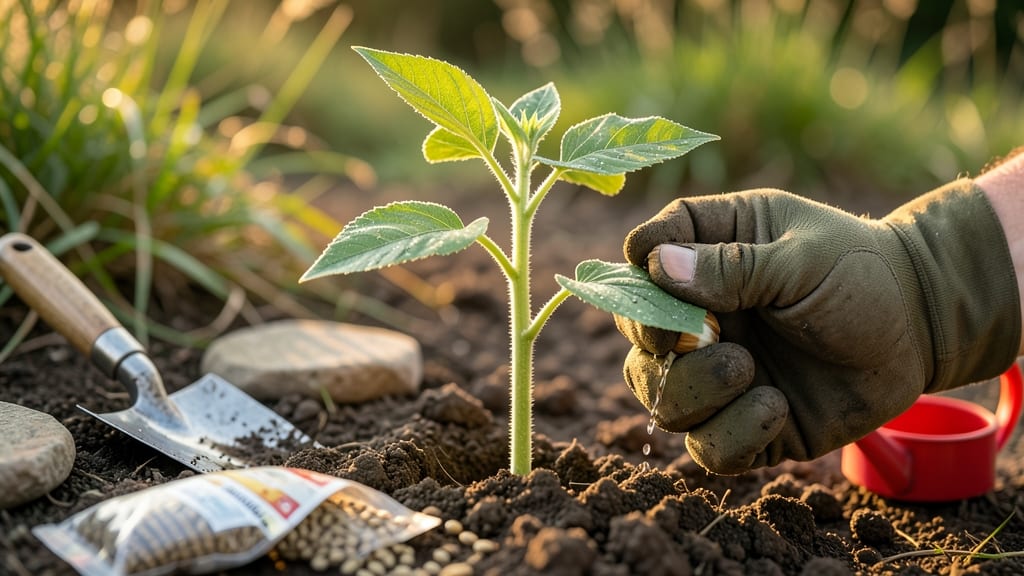
To plant sunflower seeds in Georgia, aim for late spring after the last frost—typically mid-March to early June—or late summer from July to early September for a second crop.
Georgia’s warm climate and long growing season make it an ideal place for sunflowers—but planting them at the wrong time can leave you with stunted blooms or no harvest at all. Timing is everything, and missing the frost-free window could mean waiting another year for those towering golden heads.
In USDA zones 7b-8b, soil temperatures need to reach at least 50°F before seeds sprout, so don’t rush to plant too early. Coastal areas like Savannah may have slightly earlier windows, while inland regions like Athens might need to wait until after mid-April to avoid late frosts.
Below, I’ll break down the best months for direct sowing, how to adjust for Georgia’s microclimates, and which sunflower varieties thrive in our heat—so you can enjoy 10-foot stalks of sunshine by harvest time.
Jan
❄️
Feb
🌱
Mar
🌻
Apr
🌻
May
🌻
Jun
🌱
Jul
🌻
Aug
🌻
Sep
🌱
Oct
🍂
Nov
🍂
Dec
❄️
Georgia’s sunflower planting calendar: month-by-month frost-free guide
Sunflowers thrive in Georgia’s warm climate, but timing your planting window correctly ensures healthy blooms and abundant harvests. The last frost date varies across Georgia—from mid-March in South Georgia to late March in North Georgia.
Waiting until soil warms to at least 50°F (10°C) guarantees faster germination and stronger stems. Let’s break down the best months to plant based on your region.
Georgia spans USDA Zones 7b–8b, which means two main planting seasons: spring and late summer. Spring plantings give you summer blooms, while late summer sowings yield fall flowers.
Each zone has slightly different frost-free windows, so adjust accordingly. For example, coastal areas can plant earlier than inland regions due to milder temperatures.
Here’s your Georgia sunflower planting calendar, including soil temperature, germination timing, and harvest windows for each month. Use this as your guide to avoid common mistakes like planting too early (risking frost damage) or waiting too long (missing the growing season).
| Month |
Planting Window |
Soil Temp (°F) |
Germination Time |
Harvest Window |
Notes |
| February |
South GA only (Zone 8b) |
55°F+ |
7–10 days |
Late June–July |
Risky; use row covers if frost threat |
| March |
After last frost (mid–late) |
50°F+ |
5–8 days |
July–August |
Best for North GA; wait until soil warms |
| April |
Ideal for all zones |
55°F+ |
4–7 days |
August–September |
Peak planting month; fastest growth |
| May |
Early May (North GA) |
60°F+ |
3–5 days |
September–October |
Late plantings may not mature fully |
| June |
Not recommended |
N/A |
N/A |
N/A |
Too hot; seeds may rot or bolt |
| July |
Late summer planting |
60°F+ |
5–8 days |
October–November |
How to adjust sunflower planting time for Georgia’s microclimates
Georgia’s climate varies dramatically from the cooler North Georgia mountains to the hotter South Georgia plains, which means your sunflower planting strategy should too.
In Zone 7b (north), wait until mid-April after last frost, while in Zone 8b (south), you can start as early as late February for a longer growing season. This regional difference can mean 4-6 weeks of timing flexibility—don’t miss it!
For North Georgia gardeners, cooler nights and shorter growing seasons demand earlier-maturing varieties like 'Teddy Bear' (50-60 days) to avoid first frost in mid-November. Meanwhile, South Georgia growers can push the envelope with late-summer plantings (July-August) for a second harvest before winter sets in.
The key is matching your variety to your microclimate’s frost-free window.
North Georgia (Cooler Zones 7a-7b)
Pros:
- Longer cool season extends planting
- Lower pest pressure in early spring
- Ideal for dwarf varieties (3-5 ft)
Cons:
- Shorter growing season (210 days)
- Higher risk of late frosts in May
- Requires row covers for early starts
South Georgia (Warmer Zones 8a-8b)
Pros:
- Extended frost-free window (240+ days)
- Supports giant varieties (10+ ft)
- Allows succession planting in fall
Cons:
- Higher drought risk in summer
- More pests (squirrels, birds)
- Requires shade cloth in peak heat
To extend your North Georgia growing season, use floating row covers to protect early plantings from late spring frosts. These lightweight fabrics raise soil temperatures by 5-10°F and allow 2-3 weeks earlier planting.
For South Georgia, focus on succession planting every 2 weeks from March through August to stagger harvests and avoid glut.
Drought-resistant varieties like 'Autumn Beauty' or 'ProCut' are perfect for South Georgia's hotter, drier conditions, while 'Moulin Rouge' (red-petaled) thrives in North Georgia's cooler climate. For both regions, plant seeds 1 inch deep and maintain 6-inch spacing—this ensures strong stems to support those 10-foot giants or 3-foot dwarfs.
Remember, sunflowers are heat-loving annuals that can handle 90°F+ temperatures once established, but they hate soggy soil. In North Georgia, prioritize well-draining raised beds; in South Georgia, mulch heavily to retain moisture during summer droughts.
With these adjustments, you’ll enjoy golden blooms from June through October—no matter where you garden in Georgia!
🌱
★★★★★4.6(10 reviews)
|