
Plants
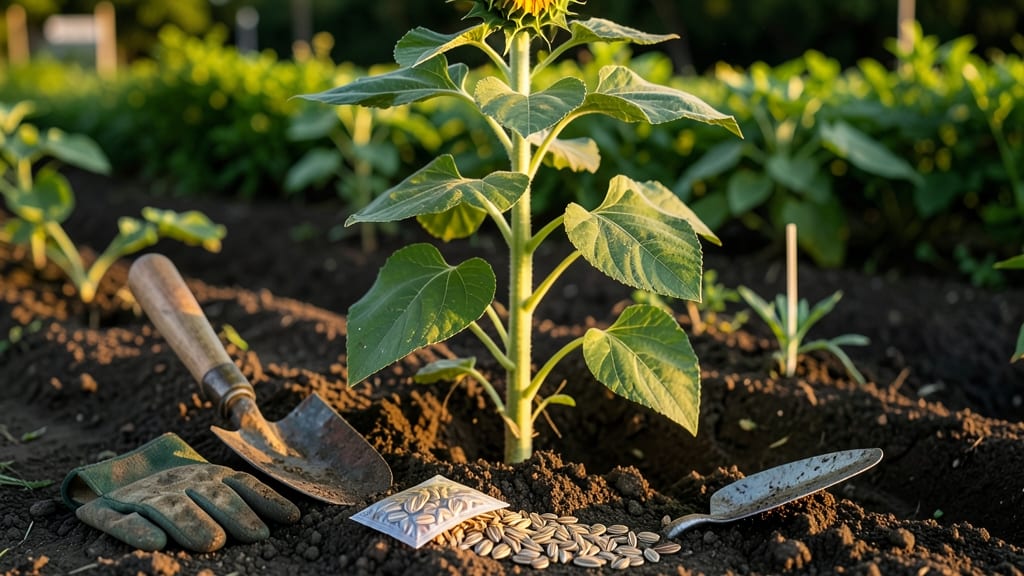
Planting sunflower seeds in Massachusetts means timing them right after the last frost, when soil temperatures hit 55°F—typically mid-April to early July.
Massachusetts gardeners know timing is everything—plant sunflower seeds too early, and frost will kill your seedlings; too late, and your blooms may miss peak summer beauty.
The 6a zone (with its average last frost on April 15) demands precision, but even then, microclimates like Cape Cod or the Berkshires can shift your window by weeks.
Direct sowing is the easiest method for sunflowers, but transplanting can extend your season if you start seeds indoors. The key is soil warmth: 50–60°F is ideal, and a soil thermometer takes the guesswork out of it.
Below, I’ll break down the exact frost-free timeline by region, how to adjust for late springs, and which sunflower varieties thrive in Massachusetts’ short but intense growing season.
Massachusetts sunflower planting timeline by last frost date and soil temperature
Sunflowers thrive in Massachusetts’ climate when planted at the right time—after the last frost date and when soil temperatures reach 50–60°F. The Bay State’s diverse microclimates mean Boston’s coastal zones warm faster than Western MA’s inland valleys, while Cape Cod’s sandy soils heat up more slowly.
Timing your planting ensures robust seedlings and vibrant blooms from July to October.
Most of Massachusetts falls in USDA Zone 6a, with an average last frost date of April 15. However, regional variations can shift this window by 2–3 weeks.
For example, Springfield (Western MA) often sees frost-free soil by mid-April, while Providence, RI (near Cape Cod) may wait until late April or early May. Always check your local frost-free date and monitor soil temps with a soil thermometer for accuracy.
Sunflower seeds should only be planted when soil temperatures consistently stay above 50°F. In cooler regions like North Shore, this might not happen until late May, while Pittsfield could be ready by early May.
Aim for soil temps between 55–65°F for optimal germination—cold soil slows growth and increases disease risk. Use a clear plastic mulch to warm the soil faster if needed.
Here’s a regional breakdown of ideal planting windows based on last frost dates and soil temperature trends:
For direct sowing, plant seeds 1 inch deep and 6 inches apart, thinning to 12–24 inches as they grow. If starting indoors, sow seeds 4–6 weeks before your last frost date in biodegradable pots to avoid transplant shock.
Harden off seedlings for 7–10 days before transplanting after soil temps reach 60°F.
Sunflowers are fast growers, with most varieties reaching maturity in 70–120 days. Planting in early June can still yield blooms by late August, extending your season.
Choose early-maturing varieties like 'Autumn Beauty' (60–70 days) for late starts, or 'Russian Giant' (100–120 days) for towering stems if planted in late May.
Extend your sunflower season by succession planting every 2–3 weeks until early July. This ensures continuous blooms from July to October. In cooler microclimates, like Mount Wachusett, opt for dwarf varieties (e.g., 'Teddy Bear') that tolerate lighter soils and shorter seasons.
Always test your soil before planting—sunflowers prefer well-draining soil with a pH of 6.0–7.5. Amend heavy clay soils with compost or sand to improve drainage.
Mulch around the base with straw or grass clippings to retain moisture and suppress weeds, especially during dry spells common in July and August.
🌻
How to adjust sunflower planting for Massachusetts’ unpredictable spring weather
Massachusetts’ spring weather can be as unpredictable as a Boston traffic jam—one day warm and sunny, the next a surprise frost. Sunflowers, while hardy, need consistent warmth to thrive, making timing critical.
Late frosts in May and cold snaps in June can turn your eager seedlings into sad, wilted memories if you’re not prepared. The key is flexibility: knowing when to plant early varieties, how to protect tender seedlings, and when to succession plant for continuous blooms.
Start by monitoring soil temperatures—sunflower seeds need the ground to reach 50–60°F before planting. In most of Massachusetts, this typically aligns with mid-April to early May, but Cape Cod and coastal areas may wait until late May due to slower soil warming.
Use a soil thermometer to avoid guessing, especially in years when spring lingers or arrives early. If your soil is still chilly, opt for cold-hardy varieties like 'Autumn Beauty' or 'Teddy Bear,' which can handle cooler temperatures better than their giant cousins.
⚠️ callout warning ⚠️
For gardeners in Western Massachusetts or higher elevations, where frosts can linger into late May, consider starting seeds indoors 4–6 weeks before your target outdoor planting date. Use biodegradable pots to avoid transplant shock, and harden off seedlings by placing them outdoors for 2–3 hours daily starting 1 week before transplanting. This gradual adjustment helps them adapt to outdoor conditions without stress.
Succession planting is your secret weapon against Massachusetts’ short but intense growing season. Instead of planting all your sunflower seeds at once, stagger them in 2-week intervals from late April through early July.
This ensures a continuous display of blooms from July through October, giving you flexibility if early plantings fail due to frost or pests. Choose a mix of fast-maturing varieties (like 'Early Bird,' which blooms in 50 days) alongside slower growers for variety.
Don’t overlook the power of mulch and row covers to extend your planting window. Apply a 2–3 inch layer of straw mulch around seedlings to insulate roots and retain moisture, especially in dry springs.
For late plantings, use low tunnels or mini greenhouses to create a warmer microclimate. These tools can push your planting deadline back by 2–3 weeks, giving you more opportunities to enjoy sunflowers before frost.
Finally, keep an eye on the weather forecast and be ready to act. If a cold front is predicted after planting, cover seedlings immediately. Sunflowers are resilient, but young plants are most vulnerable in their first 2–3 weeks.
With these strategies, you’ll turn Massachusetts’ unpredictable spring into an advantage, ensuring your sunflowers thrive despite the chaos. 🌻