
Plants
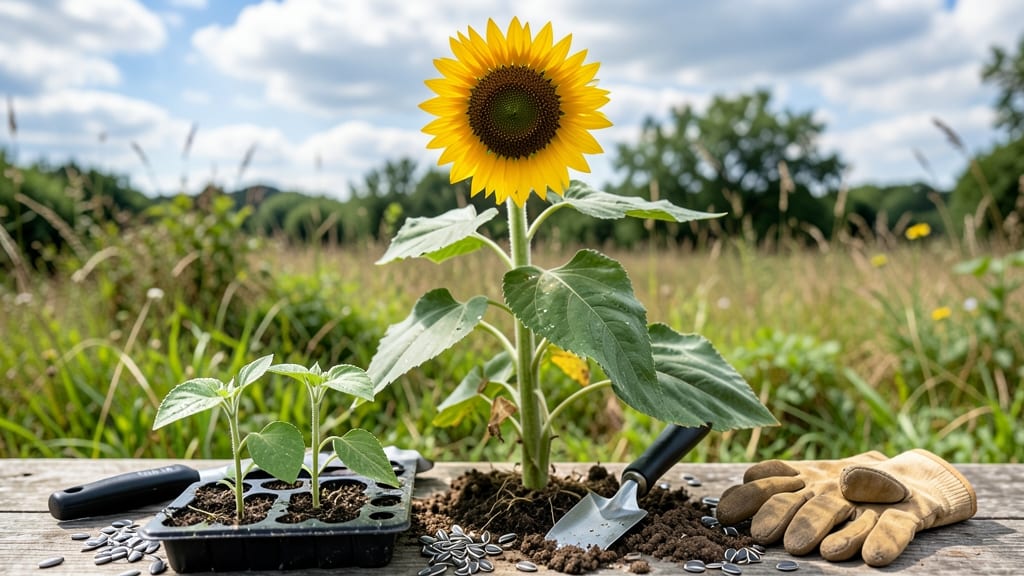
Plant sunflower seeds in Virginia after the last frost date, when soil temperatures reach 55-60°F for fast germination.
If you’ve ever watched your seedlings shiver under a late spring frost or missed the prime bloom window, you know timing is everything. Virginia’s warm springs and long summers create the perfect growing season—but only if you plant at the right moment.
Most gardeners in USDA zones 6a-8a can start sowing in late April or early May, once nighttime temperatures stay above 40°F. Direct sowing after the last frost (usually mid-April) ensures your 🌻 sunflowers get a head start before summer heat sets in.
Below, I’ll break down the exact planting schedule, soil prep tips, and how to avoid common mistakes that kill seedlings. You’ll learn how to adjust for regional microclimates, extend the growing season, and guarantee a bountiful harvest from July to October.
Virginia’s ideal sunflower planting zones & soil temperature triggers
Virginia’s diverse climate—from the coastal Tidewater region to the mountainous Piedmont—means sunflower planting times vary by USDA zone. Most of the state falls within USDA zones 6a-8a, but your exact timing depends on whether you're in Zone 6a (northern mountains) or Zone 8a (southern Tidewater).
The key isn’t just the calendar date but your soil temperature, which must reach 55-60°F for reliable germination.
Sunflower seeds won’t sprout until the soil warms up—waiting for consistent daytime highs of 70°F+ ensures strong, healthy seedlings. In Virginia, this typically aligns with late April to early June, but urban areas like Richmond may warm faster than rural Appalachian valleys.
Always check your last frost date (mid-April in most areas) and wait 2-3 weeks afterward to plant.
To test soil readiness, use a soil thermometer or the "finger test": press your finger into moist soil—if it feels warm (like a baby’s skin) about 1 inch deep, it’s ready. Cold, damp soil delays germination and invites fungal diseases.
In Zone 8a (e.g., Norfolk), you can plant as early as March, while Zone 6a (e.g., Roanoke) may need to wait until mid-May.
Regional microclimates add another layer. Coastal areas like Virginia Beach have milder winters and earlier planting windows, while inland cities like Charlottesville experience colder nights. Urban gardens in asphalt-heavy areas (e.g., Arlington) may warm 1-2 weeks earlier than rural fields.
Adjust your schedule by observing nearby existing vegetation—when dandelions bloom, your soil is likely ready.
| USDA Zone | Optimal Planting Window | Soil Temp Trigger (°F) | Regional Notes |
|---|---|---|---|
| 6a (e.g., Roanoke, Blacksburg) | Late May to early June | 55-60°F (wait for last frost) | Mountainous areas; shorter growing season |
| 7a (e.g., Lynchburg, Fredericksburg) | Mid-April to late May | 55-60°F (soil warms faster) | Piedmont region; moderate frost risk |
| 7b (e.g., Richmond, Petersburg) | Early April to mid-May | 50-55°F (cooler nights) | Urban heat islands plant earlier |
| 8a (e.g., Norfolk, Virginia Beach) | March to early April | 50-55°F (coastal warmth) | Longer frost-free season; plant early |
If you’re unsure about your exact USDA zone, use the USDA Plant Hardiness Zone Map or ask your local Cooperative Extension office. For example, Alexandria (Zone 7b) can plant 2 weeks earlier than Staunton (Zone 6b).
Even within cities, south-facing gardens warm up faster than north-facing spots, so position your seeds accordingly.
Pro tip: Use black plastic mulch to warm soil 5-10°F faster in cooler zones. Lay it down 1-2 weeks before planting to accelerate germination. Avoid organic mulches (like straw) until after seeds sprout—they can absorb heat and delay sprouting.
For container gardening, move pots to a sunny patio during the day and bring them inside if nighttime temps drop below 50°F.
Watch for false starts: some years, warm spells in March or April may tempt you to plant early, but a late frost can wipe out seedlings. Use frost cloth if you’re pushing the envelope in Zone 6a, but it’s safer to wait.
In Zone 8a, you can even try a second planting in July for late-season blooms—just ensure seeds get full sun and consistent water.
Remember, sunflowers thrive on warmth and sunlight, not patience. The moment your soil hits 55°F and stays there, grab your seeds and get planting.
With Virginia’s generous growing season, you’ll have vibrant blooms from July to October—just don’t wait too long, or you’ll miss the peak bloom window for those iconic golden faces turning toward the
Step-by-step planting schedule: when to sow for full sunflower growth
Sunflowers thrive in Virginia’s climate when planted at the right time—typically after the last frost date but before summer heat sets in. For most of the state, this window spans from late April to early June, but regional variations matter.
In cooler zones like Southwest Virginia (USDA 6a), wait until early May, while warmer areas like Tidewater (USDA 8a) can start as early as mid-April. Always check your local last frost date (usually mid-April) to avoid frost damage to delicate seedlings.
Direct sowing is the best method for sunflowers, as they dislike transplanting. Start with well-drained soil that’s warmed to at least 55-60°F—use a soil thermometer to confirm. If your soil is still cold, delay planting or use black plastic mulch to warm it faster.
For containers, ensure pots are at least 12 inches deep and use a high-quality potting mix with perlite for drainage.
🌱 Step-by-Step Sunflower Planting Schedule for Virginia
- Late April (Zones 7a-8a only): Sow seeds 1 inch deep, 6 inches apart in rows 18-24 inches apart. Use black plastic mulch to warm soil faster in cooler areas.
- Early May (Statewide Safe Bet): Ideal for most of Virginia. Plant seeds in full sun (6+ hours daily) and water lightly after sowing. Germination takes 7-14 days in warm soil.
- Mid-May to Early June (Extended Season): Perfect for late-blooming varieties like 'Moulin Rouge' (dwarf) or 'Russian Giant'. Thin seedlings to 12-18 inches apart once they’re 4-6 inches tall.
- June (Container Gardening): Plant in large containers (12"+ deep) for patio sunflowers. Use a balanced fertilizer (5-10-10) when planting to boost early growth.
- July (Succession Planting): Sow short-season varieties like 'Teddy Bear' for late-summer blooms. Expect 70-100 days to maturity from seed.
💡 Pro Tip: Mark your planting dates with biodegradable flags to track germination progress.
Sunflowers grow quickly—expect 1-2 inches of growth per day in ideal conditions. Most varieties reach maturity in 70-100 days, so plan your planting schedule to avoid first frost (mid-October).
For example, a May 15 planting of 'Autumn Beauty' will bloom by late July, while a June 1 sowing may still yield flowers before frost.
To extend your blooming season, try succession planting every 2-3 weeks from May through July. This ensures a continuous display of vibrant blooms and attracts pollinators like bees and butterflies. For containers, choose dwarf varieties like 'Little Becka' (3-4 feet tall) to save space and avoid staking.
After planting, maintain consistent moisture (1-2 inches per week) but avoid overwatering, which can cause root rot. Mulch around plants with straw or wood chips to retain moisture and suppress weeds.
Fertilize lightly with a balanced fertilizer every 4-6 weeks during the growing season to support tall stems and large blooms.
With the right timing and care, your Virginia sunflowers will reward you with stunning heights (up to 14 feet) and bright yellow faces that turn brown when ready for harvest.
Whether you’re growing for cut flowers, birdseed, or just beauty, nailing the planting schedule is your first step to success.