
Plants
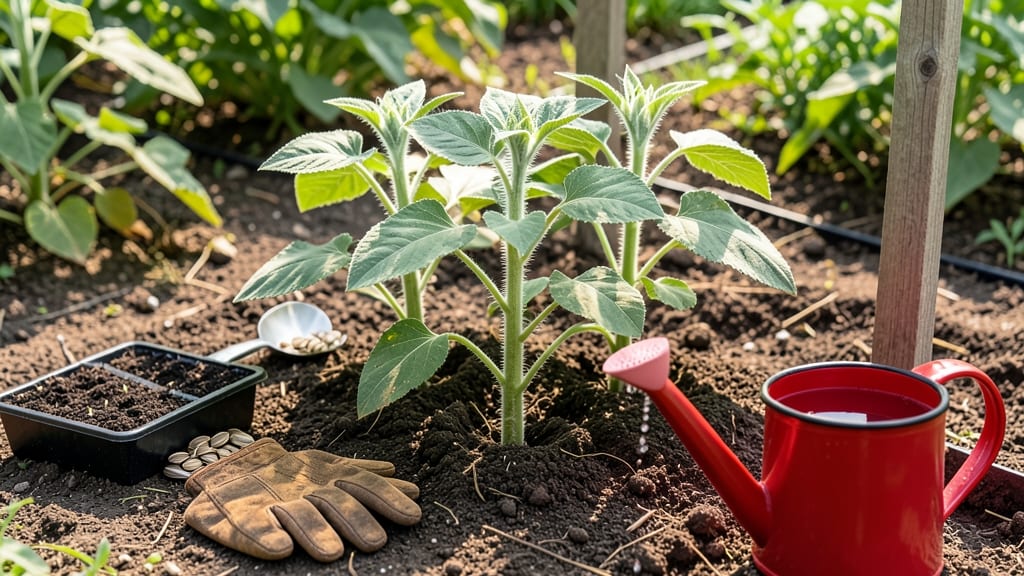
Plant sunflower seeds outside when soil temperatures reach at least 60°F—that’s the magic trigger for fast germination and sturdy growth.
Too early, and frost will nip those tender sprouts before they even peek above the soil. Too late, and your 🌻 sunflowers might bolt straight to seed without blooming.
The key? Timing isn’t just about the calendar—it’s about soil warmth, local frost dates, and the right USDA zone for your garden.
In most of the U.S., that means waiting until mid-April to early June after the last frost. But if you’re in Zone 6a like me, you’ll want to double-check soil temps with a thermometer—cold soil slows growth, and sunflowers won’t wait around.
Below, I’ll walk you through how to read your local climate, adjust for early or late plantings, and even extend the season with simple tricks. Ready to grow sunflowers that reach 10 feet tall in just 3 months?
Optimal planting times based on soil temperature and climate zones
Sunflowers are warm-season plants that need soil temperatures of at least 60°F (15°C) to germinate properly. Planting too early when the soil is still cold can leave seeds sitting dormant or rotting, while waiting too long may cause bolting—where the plant flowers prematurely.
The key is balancing frost-free dates with soil warmth, which varies dramatically across USDA hardiness zones.
Most gardeners rely on last frost dates as a starting point, but these don’t account for soil temperature. For example, in USDA Zone 5, frost may pass in early May, but the soil might still be 50°F (10°C).
Sunflower seeds won’t sprout until the soil reaches 60°F (15°C), which could be weeks later. That’s why I always check soil temperature with a soil thermometer before planting.
A soil thermometer is your best tool for precision. Insert it into the soil 2-3 inches deep in the morning (when temps are coolest) and wait 10 minutes for an accurate reading.
If the temperature is below 60°F (15°C), wait a few more days—sunflowers won’t germinate in cooler soil, and the delay is worth it to avoid stunted growth.
Here’s how I determine the perfect planting window for my region (USDA Zone 6a), along with adjustments for other zones:
| USDA Zone | Soil Temp Requirement | Last Frost Date | Ideal Planting Window | Notes |
|---|---|---|---|---|
| 3-4 | 60°F+ (15°C+) | Late May - Early June | Mid-June to early July | Short season; choose fast-maturing varieties (50-60 days). |
| 5-6 | 60°F+ (15°C+) | Mid-April to early May | Late May - early June | Soil may still be cold; verify with thermometer. |
| 7-8 | 60°F+ (15°C+) | Mid-March to early April | April - early May | Longer season; can plant in early spring or late summer for fall blooms. |
| 9-10 | 60°F+ (15°C+) | Mid-January to early February | February - March (spring) or August - September (fall) | Can plant year-round in mild climates; avoid summer heat stress. |
In USDA Zone 6a, where I garden, I typically plant sunflower seeds in late May to early June.
This gives the soil time to warm up after the last frost (usually around April 15) while ensuring the plants have enough time to mature before the first frost in mid-October.
For dwarf varieties (like 'Teddy Bear'), I might push planting to early June, but taller varieties need the earlier window.
If you’re in a warmer zone (7-10), you can plant as early as February or March for spring blooms or even August-September for fall flowers. However, avoid planting in peak summer heat (above 85°F/29°C), as it can cause seeds to dry out before germinating.
Instead, opt for late summer plantings in these zones to enjoy fall sunflowers.
For cooler zones (3-5), focus on fast-maturing varieties (50-60 days to harvest) to maximize your short growing season. I’ve had success with 'Autumn Beauty' in Zone 5, which tolerates cooler temperatures better than standard varieties.
Always check the days to maturity on your seed packet and count backward from your first frost date to determine your planting window.
Pro tip: If you’re unsure about your soil temperature, use a black plastic mulch to warm the soil faster. Lay down the mulch a few days before planting to raise the soil temperature by 5-10°F (3-6°C), which can jumpstart germination in cooler climates.
Just remember to remove it once the seeds sprout to avoid overheating.
Finally, don’t forget that sunflowers are annuals in most zones, meaning they complete their life cycle in one season. By
How to extend the sunflower growing season with smart timing
Sunflowers are fast growers, but their seasonal window can feel short in many climates. By using succession planting and protective techniques, you can stretch your harvest from early summer to late fall.
The key is understanding how to time plantings for optimal growth while safeguarding seedlings from temperature swings and pests.
Start by identifying your local frost dates—sunflowers need consistent warmth to germinate and thrive. In cooler regions, use cold frames or row covers to jumpstart early spring plantings. For late-season blooms, choose fast-maturing varieties like 'Moulin Rouge' (50-55 days) and plant in late July or early August.
- Early Spring: Plant 2-3 weeks before last frost date when soil reaches 60°F+. Use black plastic mulch to warm soil faster.
- Late Summer: Sow 8-10 weeks before first frost for fall blooms. Choose dwarf varieties (e.g., 'Teddy Bear') for shorter seasons.
- Fall Planting: Direct-sow 6-8 weeks before frost in mild climates (USDA Zones 8-10). Protect with row covers if nights dip below 50°F.
- Succession Planting: Space sowings every 2 weeks from spring to early summer for continuous blooms.
- Cold Frame Start: Begin seeds indoors 4-6 weeks before last frost, then transplant when soil warms.
For pest protection, interplant sunflowers with marigolds or basil to deter aphids and spider mites. These companion plants also improve pollination by attracting beneficial insects. In containers, use larger pots (12+ inches deep) to stabilize tall varieties and prevent tipping in wind.
Monitor seedling health closely during temperature swings. If nights drop below 55°F, add lightweight row covers for 2-3 days to shield young plants. Water at the base of stems in the morning to reduce fungal risks from evening moisture.
Harvest sunflowers by shaking seed heads over a tarp when back turns brown. Save seeds for next year’s plantings or use them in bird feeders. With these strategies, you’ll enjoy continuous blooms and a longer harvest window—even in shorter growing seasons.
Experiment with microgreens or cut flowers from early plantings to maximize your garden’s potential. Every extra week of growth means more pollinator support and a bountiful yield for you!