
Flowers
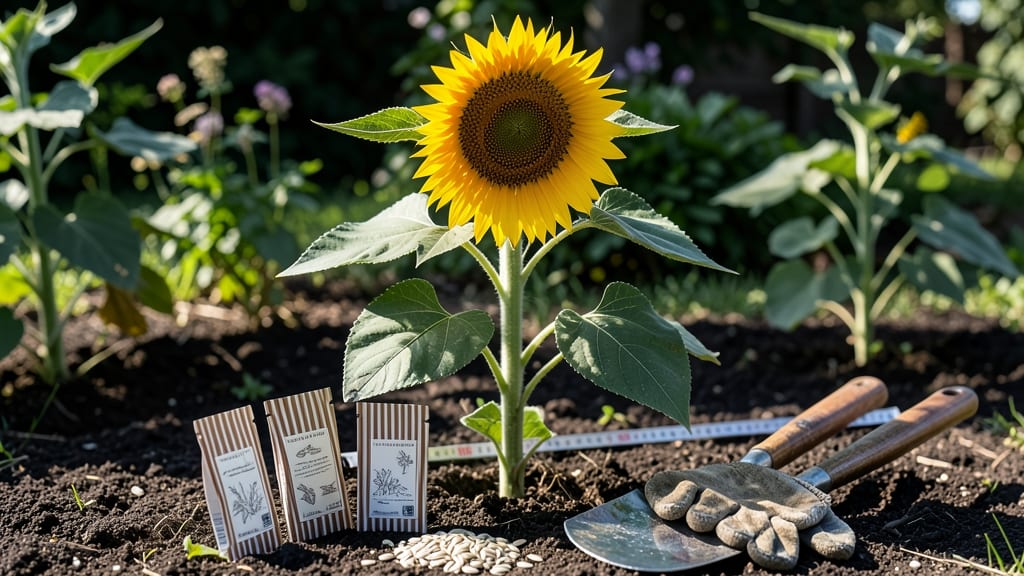
Planting sunflowers in Georgia after your last frost—around mid-March for most regions—gives them the fast growing season they need to reach their towering heights before summer heat sets in.
But timing isn’t just about avoiding frost—it’s also about beating Georgia’s brutal summer heat, which can leave sunflowers wilting before they even bloom. Plant too early, and you risk a late frost; too late, and the intense sun might stunt their growth.
In this guide, I’ll break down the exact planting windows for Georgia’s USDA Zones 7b-8b, including soil prep tips and how to adjust for coastal vs. inland microclimates. You’ll learn how to maximize your sunflowers’ fast growth cycle and even coax fall blooms with the right schedule.
Whether you’re a first-time gardener or a seasoned pro, these zone-specific deadlines will help you grow sunflowers that thrive—no guesswork required.
Georgia sunflower planting dates by USDA Zone (7a-8b)
Georgia’s diverse climate—from the cooler Appalachian foothills in Zone 7a to the humid subtropical conditions of Zone 8b—creates unique planting windows for sunflowers. The key is avoiding frost while ensuring warm soil temperatures for germination.
In Zone 7a, where last frosts linger until mid-April, timing is critical, while Zone 8b gardeners enjoy a longer window. Let’s break down the exact dates and soil prep tips for each zone to guarantee those iconic sunflower blooms all summer long.
Sunflowers thrive in Georgia’s heat but need consistent soil temperatures above 55°F to sprout reliably. Most gardeners in Zones 7a-8b can start seeds 2-3 weeks after the last frost date, typically late March to early April.
However, fall planting (August-September) is also popular for late-season blooms. The Georgia Extension Service recommends waiting until soil warms to 60°F+ for direct sowing, especially in Zone 7a where cooler springs delay germination.
| USDA Zone | Last Frost Date | Ideal Planting Window | Soil Temp for Germination | Frost-Free Days |
|---|---|---|---|---|
| 7a (North GA) | Mid-April | Late April - Early May | 55°F+ (use black plastic mulch if cold) | 180-200 days |
| 7b (Central GA) | Early April | Early April - Mid-May | 55°F+ (standard for direct sow) | 200-220 days |
| 8a (South GA) | Mid-March | Late March - Early June | 50°F+ (warmer soil year-round) | 220-240 days |
| 8b (Coastal GA) | Late February | February - June | 50°F+ (extended growing season) | 240+ days |
For Zone 7a gardeners, I recommend starting seeds indoors 4-6 weeks before the last frost (around mid-March) to give seedlings a head start. Use grow lights if natural light is limited, as sunflowers need 12+ hours of light daily to avoid leggy growth.
Once soil warms, transplant outdoors after hardening off for 7-10 days. In Zones 8a-8b, where frost is rare, you can direct-sow as early as February for a jump on the season.
Don’t overlook fall planting, which works beautifully in Georgia. Sow seeds in August-September for blooms that last into October-November, especially in Zones 8a-8b. This strategy extends your sunflower season and attracts late-season pollinators.
Just ensure seeds are planted 6-8 weeks before the first frost (typically mid-November) to allow time for germination and early growth.
Soil preparation is just as critical as timing. Georgia’s clay-heavy soils can compact easily, so amend with compost or aged manure to improve drainage. Aim for a pH between 6.0-7.0, though sunflowers are moderately tolerant of acidic soils.
Work in 1-2 inches of compost and mix in a balanced fertilizer (10-10-10) at planting to provide essential nutrients for rapid growth. Mulch with straw or pine needles to retain moisture and suppress weeds.
Pro tip: Use a soil thermometer to monitor temperatures, especially in Zone 7a. Sunflower seeds won’t germinate below 55°F, and waiting for 60°F+ speeds up sprouting.
If your soil is still cool in April, cover seed beds with black plastic mulch for 1-2 weeks to warm it up faster. This trick is a game-changer for north Georgia gardeners.
Remember, sunflowers are fast growers, with many varieties reaching maturity in 60-90 days. In Zone 8b, you can even squeeze in two plantings: one in spring
How to adjust sunflower planting for Georgia’s heat and humidity
Georgia’s summer heat and humidity can turn your sunflower dreams into droopy disasters if you don’t adjust your planting strategy. The key is balancing timing, shade protection, and water management to keep your plants thriving.
Tall varieties like ‘Mammoth’ need extra care, while shorter types handle heat better. Let’s break down how to beat the heat while keeping your sunflowers happy.
First, understand that Georgia’s USDA zones 7b-8b mean your sunflowers will face intense heat starting in late May. For direct-sown varieties, aim to plant seeds by mid-April in northern Georgia or early April in southern zones.
This gives them a head start before the real heat arrives. If you’re growing tall varieties like ‘Russian Giant’, consider starting seeds indoors in late March for transplanting after the last frost.
- 🌡️ Use shade cloth (30-50%) from June-August to reduce leaf stress. Remove it by mid-September to encourage fall blooms.
- 💧 Water deeply 2-3x/week at soil level (not leaves) to prevent fungal diseases like powdery mildew.
- 🌱 Choose heat-tolerant varieties like ‘Autumn Beauty’ or ‘ProCut’—they handle 90°F+ better than standard types.
- 🌿 Mulch with straw to retain moisture and cool roots. Reapply after heavy rains to prevent soil crusting.
- ⏰ Plant fall crops by August 15 for blooms before the first frost. Georgia’s second growing season is perfect for sunflowers!
For tall sunflowers like ‘Mammoth’, stakes or cages are a must—Georgia’s humidity can weigh down stems. Install supports at planting time to avoid damaging roots later. If you notice yellowing leaves, it’s often a sign of overwatering or nutrient burn from fertilizer.
Reduce watering to every other day and flush the soil with plain water to correct it.
One trick I swear by is the “soil moisture test”: Stick your finger 2 inches into the soil. If it’s dry, water thoroughly; if it’s damp, wait.
Georgia’s clay soils hold moisture well but can suffocate roots if overwatered. Amend with compost at planting to improve drainage and add organic matter for heat resilience.
Don’t forget about pests! Georgia’s heat attracts sunflower moths and aphids. Spray plants with a neem oil solution every 2 weeks starting in June to keep them at bay. For organic control, introduce ladybugs or parasitic wasps—they’re natural predators and thrive in Georgia’s climate.
With these adjustments, your sunflowers will bloom boldly even in Georgia’s sweltering summers. Start with the right variety, protect them from peak heat, and keep the soil moist but not soggy. Soon, you’ll have sunflowers reaching for the sky—just like they’re supposed to! 🌻