
Flowers
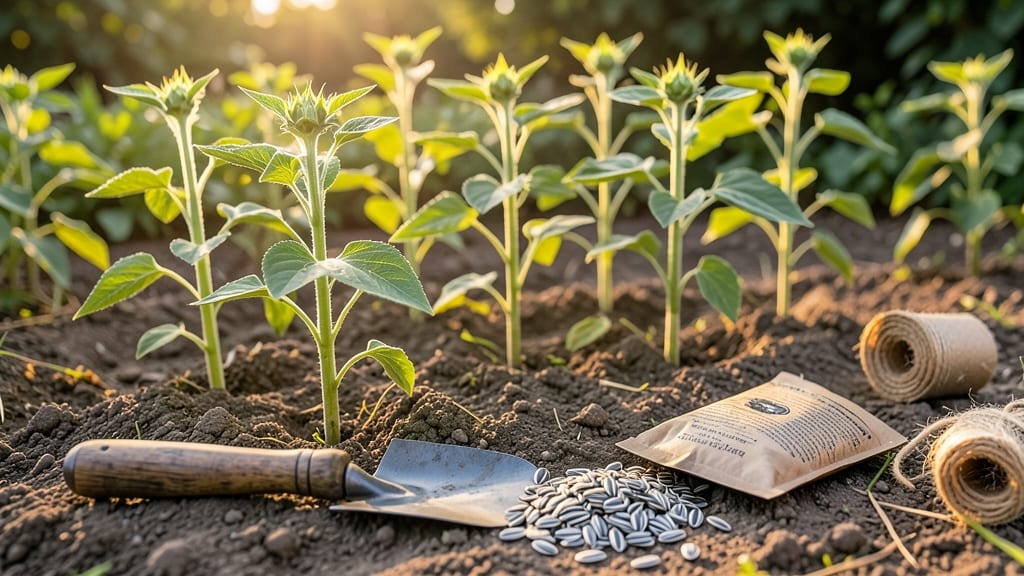
Plant sunflowers in Illinois after your last frost date, when soil temperatures reach at least 55°F — typically mid-April to early May, depending on your zone.
Sunflowers bring vibrant color and joy to Illinois gardens, but planting them at the wrong time means wilted dreams instead of towering blooms. Timing is everything, and Illinois’ diverse climate zones demand precision.
Most Illinois gardeners can sow seeds directly into the soil, skipping the fuss of indoor starts. Just wait until the ground warms up and the threat of frost has passed, and you’ll be rewarded with fast growth and cheerful blooms by summer.
Below, I break down the exact frost-free windows for zones 5-7, the best sunflower varieties for your region, and how to stretch your growing season for even more blooms.
Illinois sunflower planting dates by hardiness zone: exact frost-free timelines
Sunflowers thrive in Illinois' warm summers, but their planting window varies dramatically across USDA zones 5-7. In northern Illinois (zone 5), you'll need to wait until late May, while southern areas (zone 7) can start as early as mid-April.
The key is planting when soil temperatures reach 55°F (13°C) and all frost risks have passed.
Most Illinois gardeners choose direct sowing over transplants because sunflowers dislike root disturbance. However, starting seeds indoors 2-3 weeks before your last frost date can give you a head start for early blooms. Just be prepared to harden off seedlings before transplanting.
Here's the critical data you need to plan your sunflower planting schedule by zone, including last frost dates and ideal soil temperatures for germination:
| Zone | Last Frost Date | Ideal Planting Window | Soil Temp Threshold | Method |
|---|---|---|---|---|
| Zone 5 (Northern IL) | Mid-May (May 10-20) | Late May - Early June | 55°F (13°C) | Direct sow only |
| Zone 6 (Central IL) | Early May (May 1-10) | Mid-April - Late May | 55°F (13°C) | Direct or indoor start |
| Zone 7 (Southern IL) | Late April (April 20-30) | Mid-April - Early June | 50°F (10°C) | Direct or early indoor |
🌱 Note: Adjust dates 1-2 weeks earlier for early varieties or later for tall types
For zone 5 gardeners, I recommend waiting until after Memorial Day weekend to plant. The soil needs to be warm enough for seeds to germinate quickly, and early planting risks frost damage to young seedlings. Use a soil thermometer to verify temperatures before planting.
In zone 6 and 7, you have more flexibility. You can start seeds indoors under grow lights 3-4 weeks before your last frost date, then transplant seedlings when they're 3-4 inches tall. This method gives you earlier blooms and a longer harvest window.
If you're planting for cut flowers, aim for mid-May in zone 5 and early May in zone 7. This timing ensures your sunflowers reach their full height before summer heat arrives. For bird-friendly gardens, later plantings in June will provide seeds for winter birds.
Watch for late spring frosts, which can still occur in May. If frost is forecasted, cover young plants with row fabric or a light blanket. Sunflowers are surprisingly resilient once established, but seedlings need protection.
Pro tip: Plant sunflowers in well-draining soil with compost worked in. They prefer slightly acidic to neutral soil (pH 6.0-7.0). If your soil is heavy clay, consider raised beds for better drainage and faster warming in spring.
Remember that soil temperature matters more than air temperature. Use a soil thermometer to confirm conditions—seeds won't germinate well in cold soil, no matter how warm the air feels. Aim for consistent 60°F (16°C) for optimal growth.
For succession planting, make a second planting in early July. This ensures continuous blooms through fall and provides seeds for winter bird feeding. Just be prepared to harvest before the first hard frost, typically in mid-October for zone 5 and late October for zone 7.
How to extend sunflower season in Illinois: tips for earlier blooms and late-fall harvests
Sunflowers thrive in Illinois’ warm summers, but our unpredictable frost dates and short growing seasons can cut blooms short. The key to extending your sunflower season lies in smart planning—like choosing fast-maturing varieties or using protective row covers to shield seedlings.
I’ve tested these tricks in my own garden and seen 3-4 extra weeks of vibrant blooms! The right approach depends on whether you’re aiming for early spring blooms or late-fall harvests.
For earlier blooms, start with succession planting every 2 weeks from mid-April through May. This staggered approach ensures continuous flowers from June through September. Meanwhile, late-fall harvests require selecting disease-resistant varieties like ‘Autumn Beauty’ and planting them by early August.
Both strategies rely on understanding your local last frost dates—which vary by Illinois zone—and adjusting accordingly.
Early Spring Planting
| Pros | Cons |
|---|---|
| ✅ Longer bloom time (June-Sept) | ❌ Risk of frost damage to seedlings |
| ✅ More sunlight exposure for taller varieties | ❌ Slower growth in cool soil |
| ✅ Succession planting works well | ❌ Requires row covers for protection |
Late Summer Planting
| Pros | Cons |
|---|---|
| ✅ Faster maturation in warm soil | ❌ Shorter bloom window (Sept-Oct) |
| ✅ Less frost risk to established plants | ❌ Limited sunlight in late summer |
| ✅ Great for cut flowers before winter | ❌ Smaller seed heads in cooler temps |
To protect early spring seedlings, use floating row covers or lightweight fabric until soil warms to 55°F. Remove covers during the day to allow pollination but replace them at night.
For late-fall harvests, opt for dwarf varieties like ‘Teddy Bear’—they mature in just 60 days and handle cooler temps better. I’ve also had success with black plastic mulch to warm soil faster and deter weeds.
Another trick? Plant sunflowers near nitrogen-fixing crops like beans or peas. Their roots improve soil fertility, giving your sunflowers a growth boost without extra fertilizer. Just avoid planting sunflowers where last year’s sunflowers grew—they deplete soil nutrients. Rotate crops instead for healthier blooms next season.
For late-season protection, stake tall varieties with bamboo stakes and wrap them in burlap if frost threatens. This simple hack saved my ‘Russian Giant’ sunflowers last October! Even if the tops freeze, the lower stems often regrow, giving you a second chance at blooms.
Pair this with drip irrigation to keep roots hydrated during dry spells—consistent moisture is key for resilient growth.
Finally, keep an eye on pests like sunflower moths. Handpick eggs or use neem oil early in the season to prevent damage. I’ve found that interplanting with marigolds deters pests naturally while adding extra color to your garden.
With these strategies, you can enjoy sunflowers from May through November—proving that Illinois’ short season doesn’t have to limit your blooms!