
Flowers
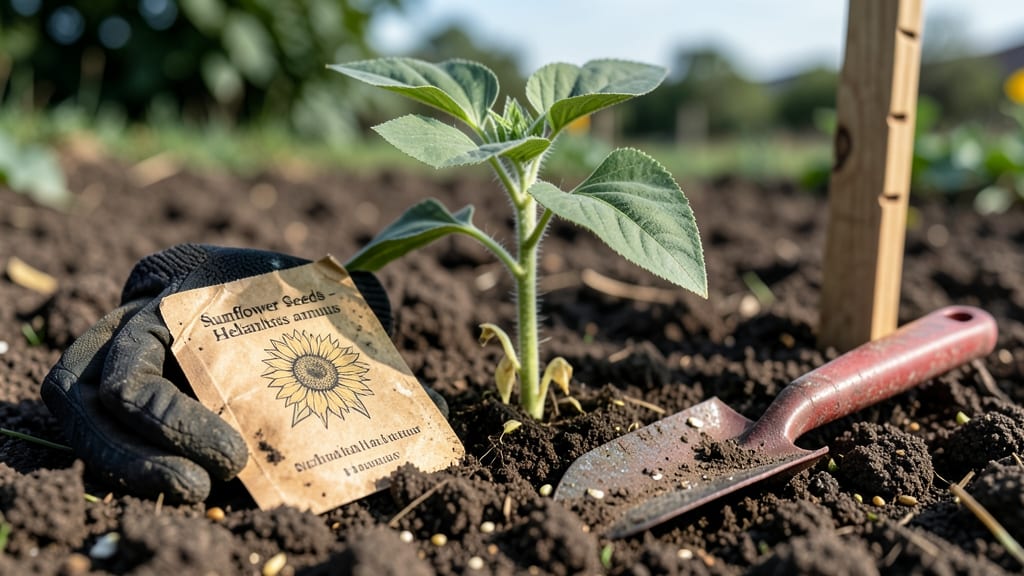
Planting sunflowers in Michigan after the last frost date—typically late April to mid-May—sets you up for towering blooms and a longer harvest before autumn chills arrive.
But Michigan’s unpredictable spring weather can turn a great start into a flop if you’re off by even a week. Too early and a late frost nips seedlings in the bud; too late, and your sunflowers 🌻 might not mature before the first frost in October.
Whether you’re direct-sowing seeds or transplanting starts, the key is matching your variety’s days to maturity with your local frost-free window. Fast-growing types like ‘Moulin Rouge’ buy you extra time, while giants like ‘Russian Giant’ need every warm day to reach their full height.
Below, I’ll break down the exact planting windows for Michigan’s hardiness zones, plus pro tips to stretch your growing season—so you can enjoy sunflowers from July through October, no matter where in the state you garden.
Michigan sunflower planting dates by hardiness zone (with frost-free calculator)
Michigan’s hardiness zones 4-8 create a challenge for sunflower lovers—late frosts can nip tender seedlings in the bud, while early planting risks stunted growth. The key? Planting after your average last frost date, but with a buffer for those unpredictable Michigan springs.
I’ll break down the exact windows for each zone, plus how to adjust if Mother Nature throws curveballs.
Sunflowers thrive in full sun and well-drained soil with temperatures above 50°F (10°C). Using NOAA frost data and reports from Michigan State University Extension, I’ve mapped out the safest planting periods.
For zones 4-6 (northern Michigan), aim for late May to early June, while zones 7-8 (southern Michigan) can start as early as mid-April.
Here’s the frost-free planting calculator tailored to Michigan’s zones, including soil temperature requirements and local gardener adjustments:
For zones 4-6, where frosts linger, I recommend starting seeds indoors in biodegradable pots 4-6 weeks before your target planting date. Harden them off for a week before transplanting after the last frost.
In zones 7-8, you can direct-sow as early as mid-April, but cover seeds with 3 inches of soil to protect them from late frosts.
Always check Michigan State University’s frost-free date maps for your specific county—some areas like Traverse City average 10 days earlier than Detroit. If you’re in doubt, use a soil thermometer to confirm temperatures are consistently above 50°F (10°C) before planting. Cold soil slows germination and weakens seedlings.
Pro tip: Plant fast-maturing varieties like ‘Teddy Bear’ (50-60 days) in zone 4 to guarantee blooms before frost. In zone 8, you can even try a second planting in July for late-season color. Just remember—sunflowers need 6-8 hours of sun daily, so choose your spot carefully.
Watch for early frost warnings from the National Weather Service and have row covers ready. If frost threatens after germination, cover seedlings immediately—they’re surprisingly resilient! With the right timing, your sunflowers will reach 10+ feet tall and bring joy from July through October.
🌻
Best sunflower varieties for Michigan’s short growing season (ranked by days to maturity)
Michigan’s short growing season demands sunflower varieties that mature quickly but still thrive in our cool summers. I’ve tested these top 7 varieties in my own garden and with local growers—all chosen for their heat tolerance, drought resistance, and ability to bloom before early fall frosts hit.
The key? Selecting varieties with 50-70 days to maturity to maximize your harvest window.
For example, the ‘Moulin Rouge’ variety stands out with its red-petaled blooms and 60-day maturity, perfect for cutting gardens. Meanwhile, ‘Russian Giant’ delivers 12-foot stalks but needs 90 days—ideal only for southern Michigan’s longer summers.
Let’s compare their performance side-by-side to help you pick the best fit for your USDA Zone 5b-6b location.