
Flowers
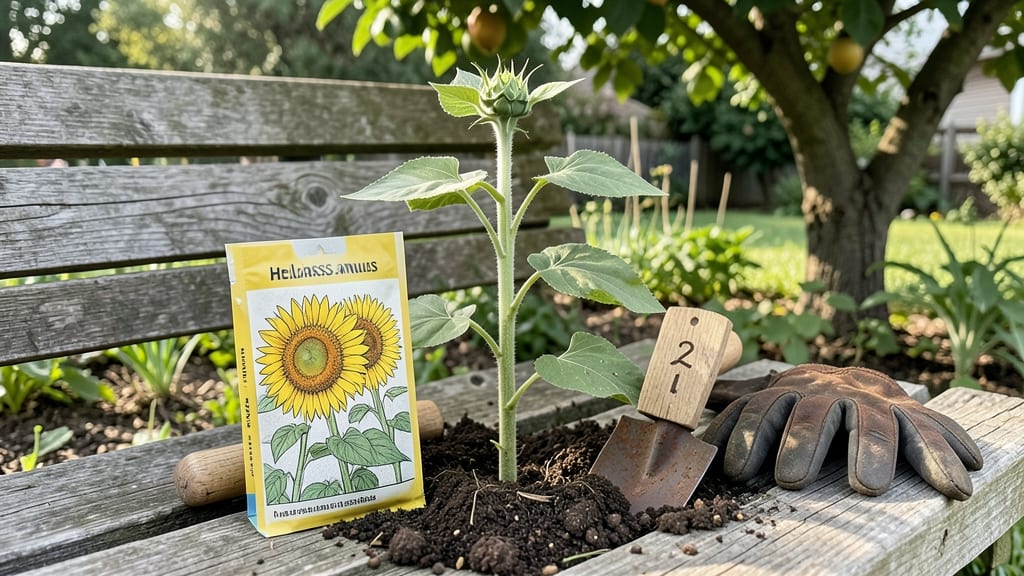
Planting sunflowers in Mississippi after your last frost date — around mid-March — gives those towering 🌻 stalks the long, hot season they crave to reach their full height.
Mississippi’s long, hot summers create the perfect conditions for sunflowers—but planting them too early or late can mean shorter stems and fewer blooms. Timing is everything for those iconic towering sunflowers that thrive in the Magnolia State.
Most gardeners in USDA Zone 8a plant between mid-March and early July, but the best window for giant varieties is actually late April to early June. This ensures they mature before summer’s peak heat arrives, giving you those 12-foot monsters everyone admires.
Below, I break down the exact months by region, how to adjust for unpredictable weather, and the soil prep tricks that turn Mississippi sunflowers into fast-growing giants with minimal effort.
Mississippi sunflower planting calendar: best months by variety and region
Mississippi’s USDA Zone 8a climate offers a 215-day frost-free window—perfect for sunflowers that love heat and long days. But timing matters! Giant varieties need cooler spring starts, while dwarf types thrive in summer’s warmth.
Let’s break down the exact planting windows for Mississippi’s three sunflower categories and how to adjust for North vs. South’s microclimates.
North Mississippi (cooler, higher elevations) has earlier frost risks than South Mississippi’s hotter lowlands. For example, Jackson’s last frost averages March 15, while Gulf Coast areas like Biloxi may see no frost until April 1.
These differences shift planting by 2-4 weeks—critical for sunflowers that bolt in heat.
Here’s your Mississippi sunflower planting calendar, organized by variety and region. Use this as your guide to maximize stem height and bloom count:
For North Mississippi, aim to plant giant sunflowers by April 15 to avoid stem bolting from summer heat. In South Mississippi, you can push giant varieties until April 30 thanks to warmer soils. Dwarf varieties are more forgiving—plant them 2-4 weeks later than giants for compact, heat-resistant blooms.
Mississippi’s summer heat (often exceeding 90°F) can stress sunflowers planted after June 15. If you miss the primary window, opt for heat-tolerant varieties like 'ProCut' or 'Autumn Beauty' and plant by July 1. These varieties handle high temperatures and humidity better than traditional types.
Pro tip: Check soil temperature with a soil thermometer—sunflowers need 55°F+ soil to germinate. In North Mississippi, this usually aligns with mid-April, while South Mississippi soils may hit this mark by early April.
Planting too early in cold soil leads to rotten seeds and poor germination.
Don’t overlook spacing—giant sunflowers need 12–18 inches apart, while dwarf types can share 6-inch spacing. In South Mississippi’s heat, wider spacing (24 inches) improves airflow and reduces powdery mildew risks.
How to adjust planting dates for Mississippi’s unpredictable weather patterns
Mississippi’s unpredictable weather can turn your sunflower dreams into wilted disappointments if you’re not prepared. Late frosts in March or scorching heatwaves by June demand flexibility in your planting schedule.
The key is balancing soil warmth, frost-free dates, and heat tolerance to maximize those towering 10-foot stems we all love.
Most gardeners in USDA Zone 8a follow the rule of thumb: plant sunflowers 2–4 weeks after your last frost date. But Mississippi’s microclimates—especially the cooler Delta region versus the hotter Gulf Coast—mean you’ll need to adjust.
For example, North Mississippi might see frost until mid-April, while South Mississippi could be frost-free by mid-March.
⚠️ callout warning ⚠️
🌡️ Mississippi’s Frost & Heat Risks
Late Frosts: Even after the official last frost date (March 15), North Mississippi can see frost until April 15. Plant heat-tolerant varieties like 'Autumn Beauty' later (after April 30) to avoid stunted growth.
Extreme Heat: Temperatures above 95°F (common by June) stress sunflowers. For summer blooms, opt for short-day varieties planted by July 1 to escape peak heat.
Soil Temp Check: Sunflower seeds need soil temps ≥55°F. Use a soil thermometer—if it’s cooler, wait or use black plastic mulch to warm the soil faster.
To avoid late frost damage, I recommend using a frost-free date calculator (like the Mississippi State Extension’s tool) to pinpoint your local window. For giant varieties like 'Russian Giant', aim for mid-April to early May in North Mississippi or late March to April in the South.
These dates give them 100+ days to mature before fall frosts hit.
For extended summer blooms, try a staggered planting strategy. Sow a first batch in April for early summer flowers, then plant a second batch in June for late summer color.
Choose heat-resistant varieties like 'ProCut' or 'Moulin Rouge' for your June plantings—they handle 90°F+ temps better than traditional types.
Drought is another Mississippi wildcard. Sunflowers are drought-tolerant once established, but seedlings need consistent moisture. If rain is scarce, deep water 2–3 times per week until plants reach 12 inches tall.
Mulch with straw or grass clippings to retain soil moisture and keep roots cool during July heatwaves.
Pro tip: Keep a planting journal to track your local patterns. Note when your sunflowers bolt (sprout) and flower each year—this helps you fine-tune future plantings. Over time, you’ll master Mississippi’s unpredictable rhythms and grow sunflowers that outshine the competition—literally! 🌻