
Flowers
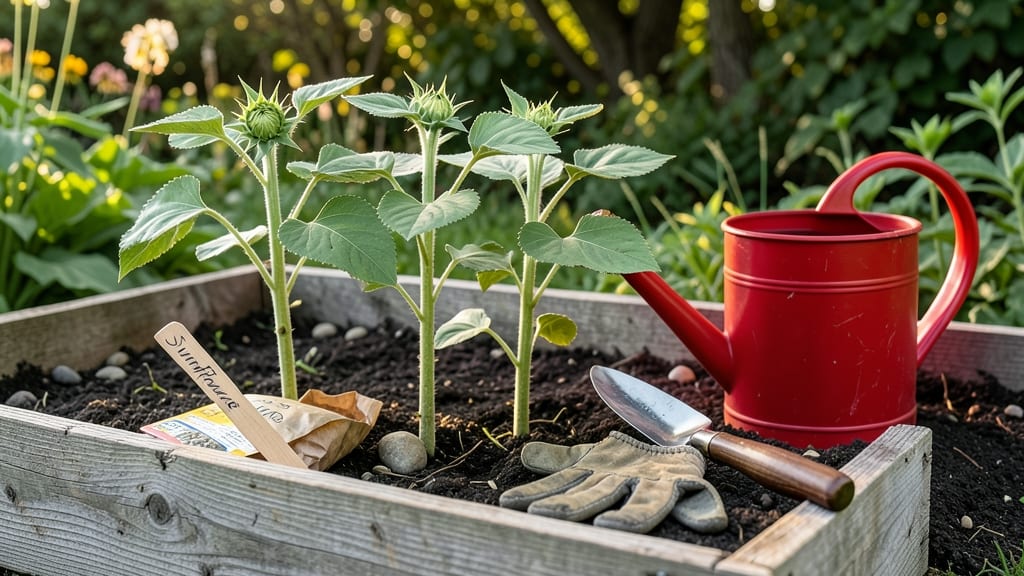
Planting sunflowers in South Carolina after the last frost date—typically mid-April—sets the stage for towering blooms by summer.
Timing is everything with these fast-growing giants 🌻. Miss the window, and you risk frost damage or stunted growth. Get it right, and you’ll enjoy sunflowers reaching 10 feet or more by late summer.
South Carolina’s 7b-8a zones mean your planting schedule depends on whether you’re in the coastal Lowcountry, the Piedmont, or the Upstate. Each region has its own frost-free timeline, and we’ll break it down by month.
Below, you’ll find the exact frost-free window for your area, soil prep tips to speed germination, and how to space plants for maximum air circulation—so your sunflowers grow straight and strong, not leggy and weak.
South Carolina sunflower planting calendar: month-by-month frost-free windows
South Carolina’s USDA zones 7b–8a offer a perfect climate for growing sunflowers that reach 10–14 feet tall. But timing is critical—plant too early and risk frost damage, too late and miss peak summer blooms. Here’s your month-by-month guide to ensure fast germination and maximum height potential.
Sunflowers thrive in 6–8 hours of full sun and need 50–120 days to mature, depending on the variety. In South Carolina, the last average frost date is around March 15, but cooler microclimates (like the Upstate) may experience frost into early April.
Plan accordingly to avoid stunted growth or seedling loss.
Below is your frost-free planting calendar for sunflowers in South Carolina, tailored to 6–12 foot varieties. Use this as your guide to plant seeds at the optimal time for rapid sprouting and towering blooms.
| Month | USDA Zones 7b–8a | Last Frost Risk | Planting Window | Maturity Timeline | Notes |
|---|---|---|---|---|---|
| March | 7b (Upstate) | High (cooler zones) | Late March (after last frost) | July–September | Use row covers for early starts |
| April | 7b–8a (statewide) | Low (safe for planting) | Mid-April to early May | June–September | Best time for tall varieties |
| May | 8a (Coastal/Piedmont) | None (warm soil) | Early May (for late blooms) | August–October | Ideal for dwarf varieties |
| June | 7b–8a (all zones) | None (hot soil) | Early June (late-season) | September–November | Risk of bolting; shorter varieties best |
| July | 7b–8a (all zones) | None (peak heat) | Avoid (unless short-season) | N/A | Not recommended; high heat stress |
For tall sunflowers (10–14 feet), aim to plant seeds in mid-April to early May. This gives them 120–150 days of warm weather to grow before the first frost in November.
If you’re in Zone 7b (Upstate), consider using row covers in March for early starts, but be prepared to protect seedlings if frost returns.
In Zone 8a (Coastal/Piedmont), you can push planting into early June for late-season blooms, but opt for
How to adjust planting for South Carolina’s microclimates: coastal vs. Piedmont vs. Upstate
South Carolina’s diverse geography creates distinct gardening zones, each with unique frost dates, humidity levels, and soil conditions. Coastal areas like Charleston enjoy milder winters, while the Upstate (Greenville) faces earlier frosts.
The Piedmont region sits in between, requiring careful timing to maximize sunflower growth. Understanding these differences helps you avoid frost damage and extend your blooming season.
Coastal zones typically have later last frost dates (around March 15–April 1) due to ocean moderation. Meanwhile, Upstate areas like Greenville can experience frosts as late as April 15.
The Piedmont’s Columbus area falls in between, with average frost dates from March 20–April 10. These variations directly impact when you should plant sunflower seeds for optimal germination.
Soil drainage also differs—coastal areas often have sandy, well-draining soil, while Upstate regions may have clay-heavy soil that requires amending. The Piedmont’s loamy soil is ideal for sunflowers but benefits from compost to improve fertility. Adjust your planting strategy based on these regional traits to ensure healthy growth.
To extend the growing season in cooler Upstate areas, consider using black plastic mulch or row covers to warm the soil and protect young seedlings. Coastal gardeners can start seeds indoors as early as February and transplant after the frost date.
For the Piedmont, focus on soil preparation—adding compost or aged manure ensures sunflowers get the nutrients they need to thrive.
Humidity also plays a role: Coastal areas with high humidity may require more frequent watering to prevent fungal diseases, while Upstate’s drier air means sunflowers need consistent moisture during establishment. Monitor soil moisture and adjust your watering schedule accordingly to avoid stress on young plants.
By aligning your planting schedule with your region’s microclimate, you’ll enjoy taller sunflowers, longer blooming seasons, and fewer setbacks from frost or poor soil conditions. Whether you’re in Charleston’s coastal warmth or Greenville’s cooler climate, these adjustments will help your sunflowers reach their full potential. 🌻