
Flowers
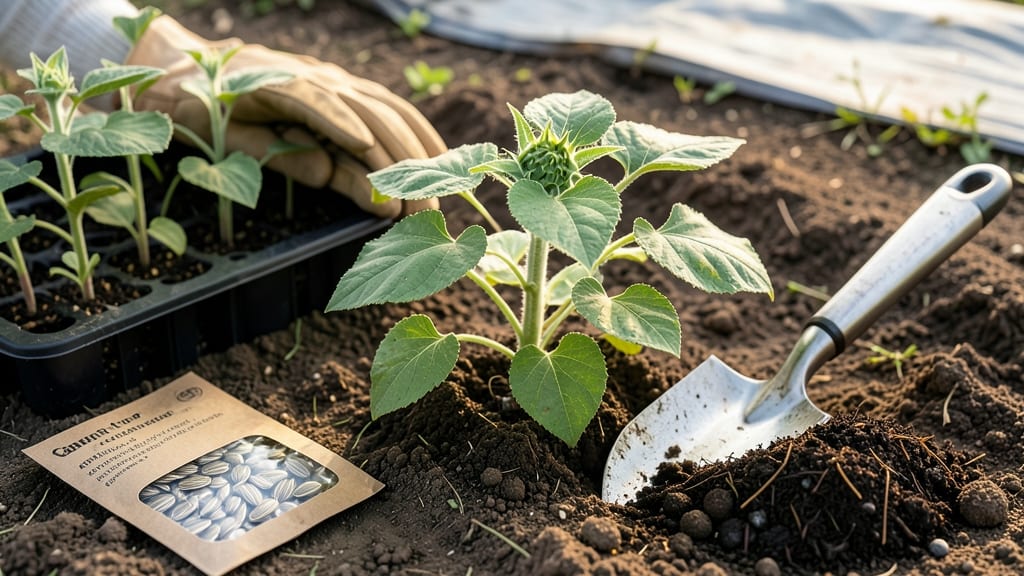
Planting sunflowers in New England after the last frost — typically mid-May for most of the region — ensures they reach their full towering height before fall’s chill arrives.
Sunflowers bring vibrant color and joy to any garden—but planting them at the wrong time in New England’s unpredictable climate can leave you with wilted dreams instead of towering blooms. Timing is everything, and missing the frost-free window by even a week can drastically shorten your sunflowers' lifespan.
New England’s 5b-6b zones mean your planting window varies from coastal Maine to inland Vermont, where soil warms two weeks later. Dwarf varieties like 'Teddy Bear' can handle a late start, while giants like 'Russian Giant' need every warm day to mature.
Below, I break down the exact frost-free dates by zone, how to prep soil for fast germination, and which sunflower types thrive in New England’s shorter growing season. No more guessing—just blooms that last.
New England sunflower planting timeline by hardiness Zones (5-7)
New England’s cool springs and variable frost dates make sunflower planting a precision task. In USDA Zones 5-7, your last frost date can shift from mid-May in Maine to late April in Connecticut.
Planting too early risks frost damage to young seedlings, while late planting may cut bloom time short. The key? Waiting until soil warms to 55°F+ and aligning with your zone’s historical frost-free averages.
Most sunflower varieties need 80-120 frost-free days to mature, so timing matters. Early bloomers like 'Teddy Bear' (50 days) can handle late starts, while giant varieties like 'Russian Giant' (120+ days) demand perfect timing.
Coastal areas like Boston or Portland often enjoy earlier frost-free dates than inland spots like Burlington or Hartford, thanks to moderating ocean breezes.
Here’s your zone-specific planting timeline for New England sunflowers, including soil temperature thresholds and regional adjustments to maximize your bloom season.
| Zone | Last Frost Date (Avg.) | Soil Temp Threshold | Ideal Planting Window | Early Planting Risk | Late Planting Risk |
|---|---|---|---|---|---|
| Zone 5 (Maine, NH, VT) | May 15–20 | 55°F+ (13°C+) | May 1–15 | Seedlings vulnerable to late frost | Shortened bloom season (July–early Sept) |
| Zone 6 (Northern MA, RI, CT) | April 25–May 5 | 55°F+ (13°C+) | April 25–May 15 | Minimal risk (cooler nights) | Miss peak bloom (July–Sept) |
| Zone 7 (Southern CT, RI) | April 10–20 | 55°F+ (13°C+) | April 15–May 10 | Very low risk (warmer microclimates) | Late varieties may not mature |
| 🌱 Pro Tip: Use black plastic mulch to warm soil faster in Zone 5! | |||||
For Zone 5 gardeners, I recommend starting seeds indoors 2-3 weeks before your last frost date to give seedlings a head start. Transplant outdoors only after soil reaches 55°F and nighttime temps stay above 45°F.
In Zones 6-7, you can direct-sow seeds as early as mid-April if using frost blankets for protection.
If you’re in a coastal microclimate (e.g., Providence or Portsmouth), you’ll likely see earlier frost-free dates by 1-2 weeks compared to inland areas. Use a local frost calendar or planting guide from your county extension office for precise adjustments.
For example, Maine’s coastal areas may align more closely with Zone 6 timing than inland Zone 5.
One common mistake is planting sunflowers too late in hopes of avoiding frost. While dwarf varieties like 'Moulin Rouge' (60 days) can handle late-June plantings, they’ll bloom much later and may struggle in shortened daylight.
For giant sunflowers, late plantings often result in underdeveloped stalks or no blooms at all.
To extend your bloom season, consider succession planting: Sow a second batch of seeds in early June for a late-summer harvest. Choose fast-maturing varieties like 'Autumn Beauty' (60 days) or 'ProCut' (55 days) for this strategy.
Just be sure to harvest seeds before frost—sunflowers left standing in cold weather will split open and scatter seeds.
Finally, monitor your local weather closely in May, as late frosts can still occur. If a frost warning appears, cover young plants with row fabric or old blankets for 1-2 nights.
With the right timing, your sunflowers will tower over your garden by July 4th—just in time for summer celebrations! 🌻
5 Critical factors that determine the best planting time for sunflowers
New England’s climate throws a curveball with its unpredictable frost patterns and regional microclimates. While frost-free dates are a starting point, soil warmth, daylight hours, and sunflower maturity rates are the real game-changers for maximizing your blooms.
For example, coastal Maine’s cooler summers may delay planting by 2-3 weeks compared to inland Connecticut, where soil warms faster. Even dwarf varieties like 'Teddy Bear' need different timing than giants like 'Russian Giant' to reach maturity before frost.
Let’s break down the 5 critical factors that determine the perfect planting window. These go beyond frost dates to ensure your sunflowers thrive from seed to seed head. Whether you’re in Zone 5b or Zone 6b, these insights will help you adjust your planting schedule for success.
Skipping these details often leads to stunted growth or early frost damage—neither of which you want for your sunflower dreams.
🌱 Critical Factors for Planting Sunflowers in New England
- 1. Soil Temperature: Plant only when soil reaches 50°F+ (use a soil thermometer). Coastal areas lag behind inland by 1-2 weeks due to ocean breezes.
- 2. Daylight Hours: Sunflowers need 14+ hours of daylight to thrive. In New England, aim for planting after June solstice for optimal growth in shorter summer days.
- 3. Maturity Rate: Dwarf varieties (50-60 days) can plant 2 weeks earlier than giants (100-120 days). Check seed packets for exact days to maturity.
- 4. Microclimates: Inland areas (e.g., Vermont) plant 1-2 weeks earlier than coastal (e.g., Cape Cod) due to faster soil warming and longer frost-free seasons.
- 5. Frost Risk: Use first frost dates to work backward from maturity. For Zone 5b, subtract 100 days from frost date to find planting window (e.g., May 15 for 100-day varieties).
One of the biggest mistakes gardeners make is planting sunflowers too early when the soil is still cold. Even if frost has passed, soil temperature below 50°F can stunt seed germination.
I’ve seen sunflower seeds planted in April in southern New Hampshire fail to sprout until June, wasting precious growing time. Always test soil temperature with a thermometer—it’s the most reliable indicator of readiness.
Daylight hours play a surprising role in sunflower growth. While most plants adapt to shorter summer days, sunflowers require 14+ hours of daylight to reach their full potential.
In New England, this means planting after the June solstice (around June 21) can give your plants the light they need to grow strong stems and vibrant blooms. If you plant in May, your sunflowers may grow tall but produce smaller, less vibrant flowers.
Choosing the right sunflower variety for your planting window is non-negotiable. Dwarf varieties like 'Teddy Bear' (50-60 days to maturity) can be planted as early as late April in Zone 6b, while giant varieties like 'Russian Giant' (100-120 days) need to go in the ground by mid-May to avoid frost damage.
Pro tip: If you’re short on time, opt for mid-season varieties like 'Moulin Rouge' (70-80 days), which strike a balance between early blooms and height.
Don’t overlook microclimates when planning your planting schedule. A garden in inland Vermont might see its last frost in May, while coastal Maine could still have frost in June.
Even within a single state, valleys warm up faster than hilltops, and south-facing slopes get sunlight earlier in the day. Use these microclimates to your advantage—plant earlier in warm pockets and later in cooler areas.
Finally, create a personalized planting checklist based on these factors. Start by noting your last frost date, then adjust for soil warmth, daylight hours, and variety maturity.
For example, if your last frost is May 10 and you’re growing 'Russian Giant' (110 days), plant by April 20 to ensure blooms before frost. For dwarf varieties, you can push planting to late April or even early May.
With these adjustments, you’ll turn New England’s short growing season into a sunflower success story. 🌻