
Flowers
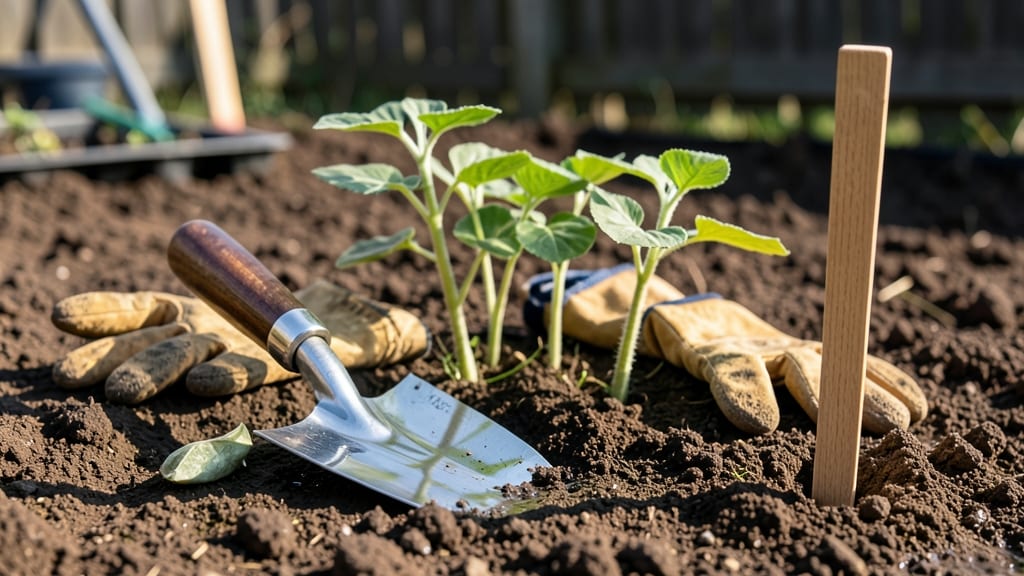
Planting sunflowers in Ohio between mid-April and early June ensures they bloom tall and strong before summer heat sets in.
You’ve probably seen those towering 🌻 giants in late summer—bright, cheerful, and impossible to miss. But if you plant them too early, a late frost will nip them in the bud. Too late, and you might miss the chance for full-size blooms before the first frost hits in October.
Ohio’s USDA Zone 6a climate means timing matters, especially for varieties that need 70-120 days to mature. Start seeds indoors in March if you’re eager, but most gardeners wait until after the last frost for direct sowing.
Below, I’ll break down the best months for your zone, the fastest-growing varieties, and how to adjust for Ohio’s unpredictable weather—so you end up with sunflowers that reach their full potential.
Ohio planting zones & best months for sunflowers
Ohio spans USDA Hardiness Zones 5-7, which means your sunflower planting window depends on whether you're in the cooler northern regions (Zone 5) or the warmer southern areas (Zone 7).
Sunflowers are warm-season annuals, so timing is everything—plant too early, and frost will kill young seedlings; too late, and you might miss the full bloom season before fall frost. The key is aligning your planting with soil temperatures of 50°F+ and average last frost dates.
For most of Ohio, the ideal planting window stretches from mid-April to early June. However, gardeners in Zone 5 (northern Ohio) should wait until late April to early May to avoid frost damage, while those in Zone 7 (southern Ohio) can start as early as mid-March in protected microclimates.
Sunflowers grow fast—60-120 days to maturity—so even late plantings in June can still produce blooms before winter.
Soil temperature is the real game-changer. Sunflower seeds won’t germinate below 50°F, and cool, wet soil can lead to rot or poor emergence. Use a soil thermometer to confirm readiness—once the ground consistently hits 55°F+, it’s time to plant. In Ohio, this typically aligns with late April to early May for most regions, but Zone 5 areas may need to wait until mid-May for safety.
Here’s a quick breakdown of Ohio’s frost risks by zone:
- Zone 5 (north): Last frost April 20–May 5, first frost October 10–20
- Zone 6 (central): Last frost April 10–20, first frost October 20–30
- Zone 7 (south): Last frost March 20–April 10, first frost November 1–15
For direct sowing (the easiest method for sunflowers), aim to plant 2–4 weeks after your average last frost date. This gives seedlings time to establish roots before summer heat arrives. Succession planting every 2 weeks through June ensures continuous blooms all season.
If you’re growing tall varieties like ‘Mammoth’, prioritize early planting for maximum height before fall frost.
If you’re in Zone 5 and worried about late frosts, consider starting seeds indoors 2–3 weeks before your last frost date. Transplant seedlings outdoors when they’re 3–4 inches tall and all danger of frost has passed.
For containers or small spaces, dwarf varieties like ‘Teddy Bear’ can be planted as late as early June and still thrive, thanks to their shorter maturity time (50–60 days).
Ohio’s summer heat is another critical factor. Sunflowers love warmth but can bolt (flower too early) if stressed by drought or extreme heat. To prevent this, water deeply 1–2 times per week and mulch around plants to retain moisture.
If you’re planting in July or August, choose fast-maturing varieties (like ‘Autumn Beauty’) to ensure blooms before frost.
Pro tip: Use black plastic mulch to warm the soil faster in spring, which can extend your planting window by 1–2 weeks. This is especially helpful in Zone 5, where cool soils delay germination. Just remember to remove the mulch once plants are established to avoid overheating roots.
Finally, don’t overlook succession planting. By sowing new seeds every 2 weeks through June, you’ll enjoy
How to adjust planting time for Ohio’s weather patterns
Ohio’s weather can be unpredictable, with sudden late frosts in spring and early heatwaves that stress young plants. The key to growing sunflowers successfully is adjusting your planting schedule based on these patterns.
For example, in Zone 6a, the average last frost date is April 15, but some years it lingers into May.
If you’re eager to start early, consider using row covers or planting in containers that can be moved indoors if frost threatens. This flexibility is especially helpful for tall varieties like ‘Mammoth’ that need a long growing season to reach their full height.
⚠️ WARNING: Late frost risk in Ohio’s spring
Ohio’s Zone 5-7 areas often see frost until mid-May in some years. Wait until soil temps reach 50°F (use a soil thermometer) before direct sowing. For container-grown sunflowers, start seeds indoors in late March and transplant after the last frost date in your area. If you miss the spring window, succession plant in early June for late-summer blooms—just choose fast-maturing varieties like ‘Teddy Bear’ (50 days to bloom).
For gardeners in northern Ohio (Zone 5b), where summers are shorter, focus on early-maturing varieties or use black plastic mulch to warm the soil faster. This can shave off 2-3 weeks from the growing season, giving your sunflowers a head start.
If you’re dealing with late starts due to cool weather, opt for container gardening. Pots warm up faster than garden beds and can be moved to sunnier spots. Just ensure containers have drainage holes and use a lightweight potting mix to prevent root rot.
For continuous blooms, practice succession planting every 2 weeks from May through June. This ensures you’ll have sunflowers in bloom from late July through September, just as pollinators are most active. Plant dwarf varieties like ‘Autumn Beauty’ in containers near patios for easy enjoyment.
Finally, monitor heat tolerance in late summer. While sunflowers love heat, prolonged 90°F+ temperatures can cause bolting (premature flowering). Mulch heavily with straw or grass clippings to keep roots cool and water deeply in the morning to reduce stress.