
Flowers
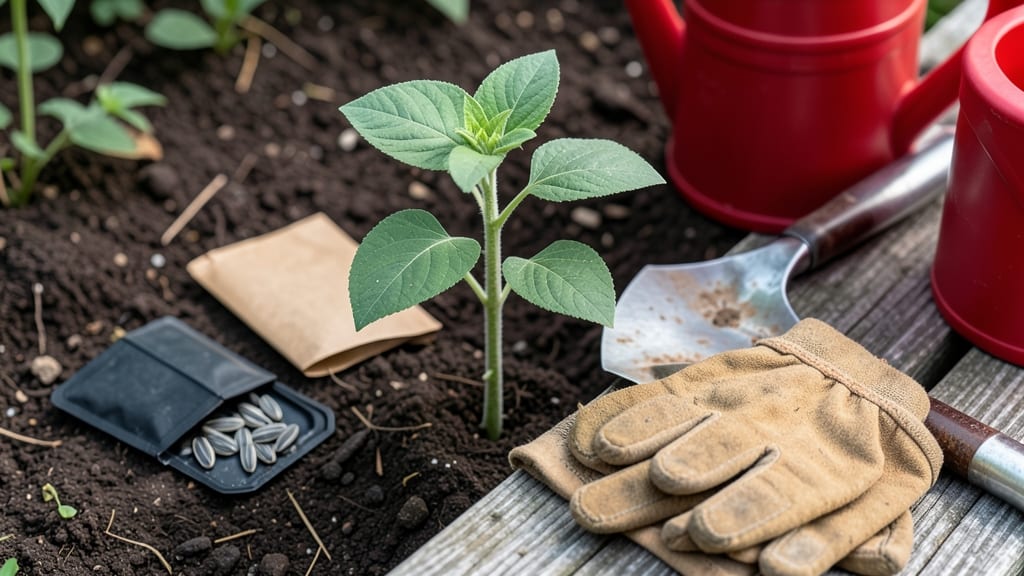
Planting sunflowers in San Diego works best in March and April when soil temperatures are ideal and the risk of frost is zero.
Picture this: you’ve just dropped seeds into warm, sandy soil, and within weeks, those towering 🌻 stalks are reaching for the sky. But timing matters—plant too early, and you’ll waste water; too late, and summer’s heat can stunt growth. Here’s how to nail the perfect window for fast, vibrant blooms.
San Diego’s frost-free climate means you can plant sunflowers year-round, but spring is the sweet spot. Coastal areas may need a slight delay, while inland spots can start earlier. We’ll break down the exact months, soil prep tips, and how to keep your sunflowers thriving through the heat.
Ready to grow sunflowers that stand taller than your fence? I’ll walk you through the best planting schedule, watering tricks, and even which varieties handle San Diego’s heat like pros.
Best planting months for sunflowers in San Diego’s climate
San Diego’s mild winters and warm summers create perfect conditions for sunflowers—if you time it right. Unlike colder climates, we don’t have to worry about frost, but soil temperature and summer heat still dictate the best planting windows.
Inland areas like Escondido or Temecula can get hotter faster than coastal spots like La Jolla or Pacific Beach, so your planting schedule may vary by just a few weeks.
For maximum bloom size and vigor, aim to plant sunflowers when daytime temperatures consistently stay above 60°F (15°C) and soil temperatures reach at least 50°F (10°C).
This usually aligns with late February through April for most of the county, giving your plants enough time to mature before summer’s peak heat arrives. Fall planting is possible but risky—we’ll cover that later.
Here’s a quick breakdown of your planting timeline based on San Diego’s unique microclimates:
| Planting Window | Soil Temp Requirement | Coastal Areas (e.g., La Jolla) | Inland Areas (e.g., Escondido) | Heat Risk |
|---|---|---|---|---|
| Spring (Best Time) | ≥50°F (10°C) | Late Feb - Early April | Mid Feb - March | Low (plenty of time to mature) |
| Fall (Risky) | ≥55°F (13°C) | Late Aug - Early Sept | Mid Aug - Late Sept | High (summer heat lingers) |
| Germination Time | 7-14 days | Start indoors 4-6 weeks before last frost (not needed here) | Direct sow after soil warms | None (fast germination) |
San Diego’s coastal areas have cooler summers and milder winters, giving you a slightly longer window to plant. If you’re in La Jolla or Coronado, you can start seeds indoors as early as late January and transplant outdoors by mid-February.
Inland areas like San Diego County’s eastern regions should wait until mid-February to early March to avoid planting in still-cool soil.
The biggest mistake I see local gardeners make is planting too late. By May or June, summer heat can stress young sunflowers, leading to bolted stems or poor blooms. If you miss the spring window, consider dwarf varieties like ‘Teddy Bear’—they tolerate heat better and bloom faster.
For standard varieties, aim to have 60-90 days of growth before peak summer heat (usually July-August).
Fall planting is possible but challenging in San Diego. While we don’t have frost, September’s lingering heat can stress sunflowers planted too late.
If you try fall planting, stick to early September and choose fast-maturing varieties (like ‘Pro Cut’ or ‘Autumn Beauty’) that can bloom before temperatures drop below 60°F (15°C) at night. Coastal areas have a slightly better chance than inland spots.
One pro tip for San Diego gardeners: use black plastic mulch to warm the soil faster in early spring. This can shave 2-3 weeks off your planting timeline by raising soil temperatures 5-10°F.
Just remove it once plants are established to prevent overheating. For container growing, use heat-resistant pots and place them in partial shade during the hottest afternoons to protect young seedlings.
Remember, sunflowers are drought-tolerant once established, but they need consistent moisture during their first 4-6 weeks of growth. In San Diego’s dry climate, deep watering every 3-5 days (or when the top inch of soil is dry) is key.
Once they reach 3 feet tall, you can reduce watering to once a week unless we’re in a heatwave.
For urban gardeners with limited space, consider vertical sunflower varieties like ‘Moulin Rouge’ or ‘Russian Giant’ (with support). These can handle San Diego’s coastal breezes better than towering varieties. If you’re in a windy area (like near the coast), stake plants early to prevent stem damage from gusts.
Finally, keep an eye on pests like sunflower moths or birds, which love those big, bright blooms. Use bird netting if you’re growing sunflowers for seeds, and consider neem oil sprays for early signs of pests.
With the right timing and care, your San Diego sunflowers can reach 10+ feet tall and bloom from May through September—worth the effort!
Sunflower varieties that thrive in San Diego’s heat
San Diego’s dry, sunny climate creates perfect conditions for sunflowers—but not all varieties handle the heat equally. The right sunflower type ensures vibrant blooms and strong stems, even during 90°F+ days. Let’s compare top performers for your garden, whether you’re in urban Balboa Park or inland Escondido.
For urban gardens with limited space, compact varieties like Teddy Bear or Moulin Rouge shine. These stay under 3-4 feet tall while delivering bold colors. Inland areas benefit from tall, drought-resistant types like Mammoth or Pro Cut, which thrive with minimal water once established.
| Variety | Height | Bloom Time | Drought Tolerance | Best For |
|---|---|---|---|---|
| Teddy Bear | 3-4 ft | 70-80 days | Moderate | Urban gardens, containers |
| Mammoth | 10-16 ft | 80-100 days | High | Rural gardens, cut flowers |
| Pro Cut | 5-7 ft | 60-70 days | Very High | Dry climates, low water |
| Moulin Rouge | 3-4 ft | 65-75 days | Moderate | Colorful borders, pollinators |
| Autumn Beauty | 4-5 ft | 75-85 days | Moderate | Fall interest, wildlife |
If you’re planting in March or April, prioritize fast-blooming varieties like Pro Cut (60-70 days) to avoid summer heat stress. For fall planting (September), choose Autumn Beauty—its drought-resistant roots thrive in cooler months. Always mulch with 2-3 inches of straw to retain moisture.
For urban spaces, Teddy Bear sunflowers are my top pick—their 3-foot height fits balconies, and their double-petal blooms attract bees. In rural areas, Mammoth varieties reward patience with 12-foot stems, perfect for cut flower arrangements. Just stake them early to prevent wind damage.
Pro tip: Mix dwarf and tall varieties in the same bed. The shorter stems stabilize taller ones while creating a textured, layered look. Pair Pro Cut with Teddy Bear for a low-maintenance, high-impact display that thrives in San Diego’s 10a climate.
Water deeply once a week after planting, then taper to every 10-14 days once established. Most varieties here self-water thanks to deep taproots—ideal for zero-sprinkler gardens. 🌻